
Introduction
Composting is an easy and natural way to reduce household waste while providing nutrient-rich soil for gardening. Whether you are just starting out or have been composting for years, this step-by-step guide will help you get started and maintain a successful composting system.
The benefits of composting are numerous. According to the United States Environmental Protection Agency (EPA), “Backyard composting reduces the amount of trash sent to landfills and incinerators by 25%,” meaning that composting can significantly reduce the amount of food waste going into landfills. Composting also improves soil health and helps plants grow better, since it adds essential nutrients to the soil. Finally, composting can save money, as it reduces the need for chemical fertilizers.
There are several different methods for composting, such as vermicomposting (using worms to break down organic material) and tumbling composters (a closed container that uses mechanical agitation to mix the materials). In this article, we will focus on traditional composting, which involves creating a pile of organic material and allowing it to decompose naturally.
Materials Required
To begin composting, you will need a few basic materials. First, you will need a compost bin or tumbler. This can be anything from a purchased bin to a simple homemade structure. You will also need some organic material to compost, such as vegetable and fruit scraps, coffee grounds, eggshells, shredded paper, and leaves. Finally, you will need some tools to turn the compost, such as a pitchfork or shovel.
Steps to Begin Composting
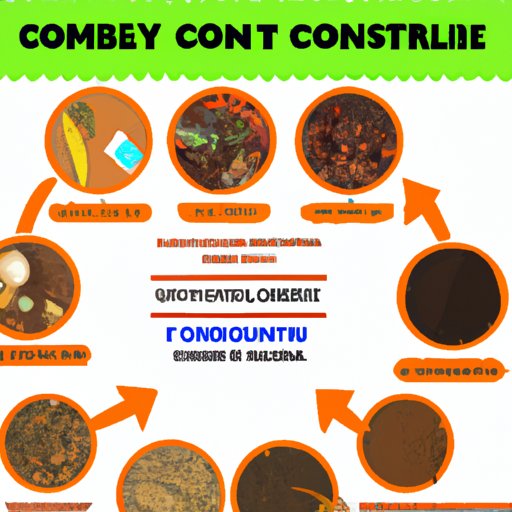
Once you have gathered all of the necessary materials, you are ready to begin composting. The first step is to create a compost pile. Place the compost bin in a sunny spot in your yard and fill it with alternating layers of green materials (such as vegetable scraps and grass clippings) and brown materials (such as leaves and shredded paper). Make sure to leave enough space at the top for air to circulate.
Next, add water to the compost pile until it is damp but not soggy. Finally, mix the materials together using a pitchfork or shovel. This will help the materials break down more quickly.

Maintaining and Monitoring the Compost Pile
Once you have created the compost pile, it is important to monitor and maintain it. Turn the compost pile every week or two to ensure that air is circulating throughout the pile. Additionally, add water if the pile starts to dry out, and add more brown material if the pile becomes too wet.
Monitoring the compost pile will help you determine when it is ready to use. The compost is ready to use when it is dark and crumbly and has a pleasant earthy smell. This process typically takes 3-6 months, depending on the size and materials used in the compost pile.
Troubleshooting Common Composting Issues
Composting can sometimes be difficult, so it is important to know how to troubleshoot common issues. If the compost pile is too wet, add more brown materials such as dried leaves or shredded newspaper. If the compost pile is too dry, add more water. Additionally, if the compost pile has an unpleasant odor, turn the pile more often to ensure adequate air circulation.
Examples of Successful Composting Systems
To get inspired, it is helpful to look at examples of successful composting systems. For example, the City of Seattle operates a large composting facility that processes over 100,000 tons of organic material each year. Additionally, many home gardeners have successfully implemented their own composting systems, ranging from simple backyard piles to elaborate worm bins.
Conclusion
Composting is a great way to reduce household waste and create nutrient-rich soil for gardening. By following the steps outlined in this article, you can create a successful composting system in your own backyard. With a little bit of effort, you can make a big difference in reducing waste and improving soil health.
(Note: Is this article not meeting your expectations? Do you have knowledge or insights to share? Unlock new opportunities and expand your reach by joining our authors team. Click Registration to join us and share your expertise with our readers.)