
Introduction
Your car’s starter is an essential part of its engine, responsible for starting the vehicle when you turn the key in the ignition. If your starter is bad, however, it can be difficult to get your car going. In this article, we’ll explore how to start a car when the starter is bad and provide some troubleshooting tips for getting your vehicle up and running.
Check the Battery for Proper Voltage
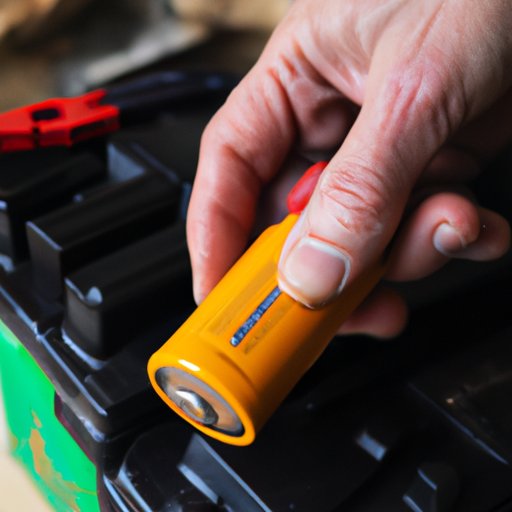
The first step in troubleshooting a bad starter is to check the battery for proper voltage. The battery is the source of power for the starter, so it’s important to make sure that it has enough juice to turn the engine over. To test the battery, you’ll need a multimeter. Connect the positive lead to the positive terminal of the battery and the negative lead to the negative terminal.
If the reading is 12.6 volts or higher, then the battery is in good condition and should provide enough power to start the car. If the reading is lower than 12.6 volts, then the battery needs to be charged or replaced.
Inspect the Starter Solenoid
The next step is to inspect the starter solenoid. This is the component that connects the battery to the starter motor and allows the current from the battery to activate the starter motor. Signs of damage or corrosion can indicate that the solenoid is not functioning properly. If the solenoid needs to be replaced, it should be done by a qualified mechanic.
Attempt to Jump Start the Vehicle
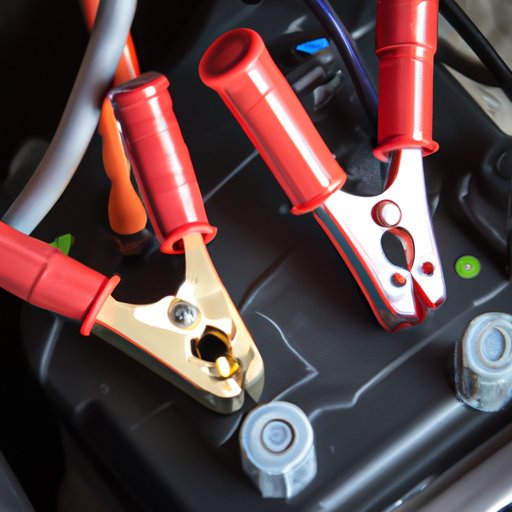
If the battery voltage is low, you may be able to jump start the vehicle. To do this, you’ll need a set of jumper cables and another vehicle with a working battery. Make sure that both vehicles are turned off and then connect one end of the jumper cables to the positive terminal of the dead battery and the other end to the positive terminal of the working battery. Then connect the negative terminals of the two batteries. Once the cables are connected, start the working vehicle and let it run for a few minutes. Then try to start the vehicle with the dead battery.
Have a Mechanic Diagnose the Issue with a Scan Tool
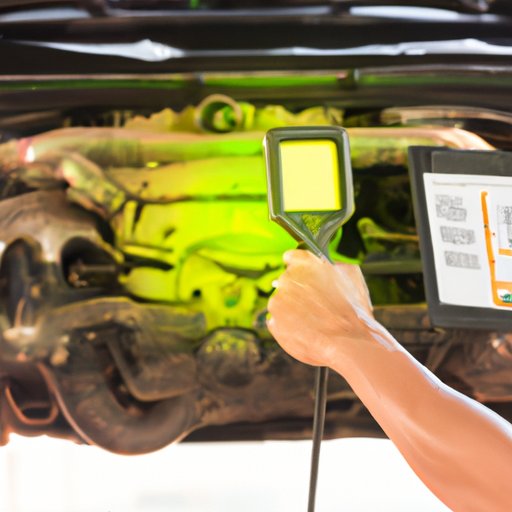
If the jump start doesn’t work, it’s time to have a mechanic diagnose the issue. A professional can use a scan tool to read diagnostic trouble codes (DTCs) and pinpoint the source of the problem. Scan tools provide detailed information about the vehicle’s systems and can help identify problems with the electrical system, fuel system, and engine components. This can save you time and money by eliminating guesswork and allowing the mechanic to quickly diagnose the problem.
Check the Ignition Switch and Its Wiring
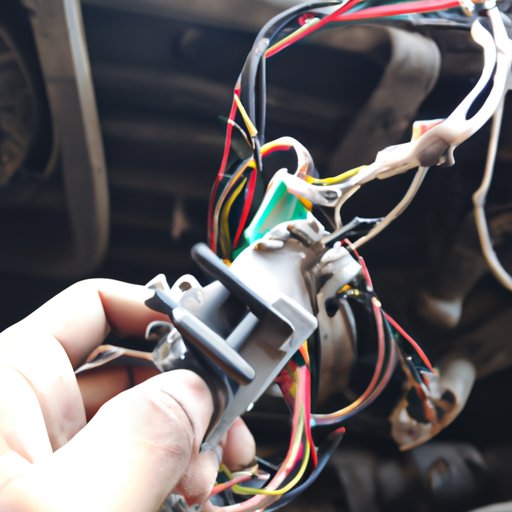
If the scan tool diagnosis doesn’t reveal any issues, then it’s time to check the ignition switch and its wiring. The ignition switch is responsible for providing power to the starter motor when the key is turned. If the switch is faulty or the wiring is damaged, then the starter won’t be able to receive power. To test the switch, you’ll need a multimeter. Connect the leads to the switch terminals and see if there is continuity when the key is turned. If there isn’t, then the switch needs to be replaced.
Check the Starter Motor Itself
Finally, if all other components are functioning properly, then it’s time to check the starter motor itself. To do this, you’ll need a voltmeter. Connect the leads to the starter motor terminals and see if there is voltage when the key is turned. If there is no voltage, then the starter motor needs to be replaced.
Conclusion
If your car’s starter is bad, it can be difficult to get the vehicle going. In this article, we explored how to start a car when the starter is bad and provided some troubleshooting tips. These steps included checking the battery for proper voltage, inspecting the starter solenoid, attempting to jump start the vehicle, having a mechanic diagnose the issue with a scan tool, checking the ignition switch and its wiring, and checking the starter motor itself. With these steps, you’ll be able to identify and address the issue with your starter and get your car up and running again.
For more information about car starters and how to diagnose and repair them, check out AutoZone’s Repair Guides.
(Note: Is this article not meeting your expectations? Do you have knowledge or insights to share? Unlock new opportunities and expand your reach by joining our authors team. Click Registration to join us and share your expertise with our readers.)