
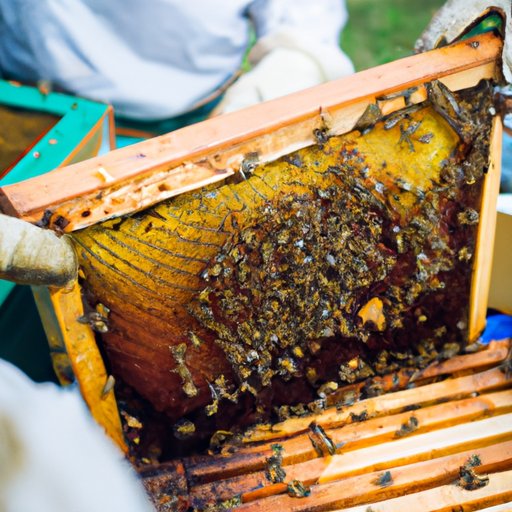
Introduction
Beekeeping is becoming increasingly popular across the world. Not only is it a rewarding and enjoyable activity, but it also offers numerous benefits to the environment. Keeping bees helps to increase crop yields and pollinate plants, while also providing delicious honey as a reward. If you’re interested in starting your own beekeeping journey, then this comprehensive guide will provide you with all the information you need to get started.
Types of Bees
When it comes to beekeeping, there are two main types of bees to consider: Apis mellifera (the Western honey bee) and Apis cerana (the Eastern honey bee). Both species have their own unique characteristics and behaviors, so it’s important to understand the differences between them before making a decision. Apis mellifera is typically more aggressive than Apis cerana and is better suited for colder climates. On the other hand, Apis cerana is more tolerant of hot temperatures and is known for its gentle nature.
Best Location for a Beehive
The location of your beehive is just as important as the type of bees you choose. Ideally, you want to pick a spot that is sheltered from strong winds and direct sunlight, and free from any potential predators. Depending on where you live, you may need to obtain a permit or license in order to keep bees. Additionally, it’s important to check with your local government to make sure that beekeeping is allowed in your area.
Installing a Beehive
Once you’ve chosen a location for your beehive, it’s time to install it. This process can be intimidating at first, but with the right supplies and a bit of patience, it’s actually quite simple. First, you’ll need to assemble the beehive, which includes attaching the frames, adding foundation wax, and inserting the queen excluder. Next, you’ll need to add the bees, using a smoker to calm them down. Finally, you’ll need to place the hive in its location and secure it to the ground.
Maintaining a Healthy Hive
When it comes to beekeeping, regular maintenance is key for keeping a healthy hive. It’s important to inspect the hive regularly for signs of disease or pests, and to replace any damaged or worn out equipment. Additionally, you should provide your bees with plenty of food, water, and space to build comb. According to a study published in the Journal of Apicultural Research, “Regular inspections and timely interventions can help to ensure that colonies remain healthy and productive.”
Harvesting Honey
Harvesting honey is one of the most rewarding parts of beekeeping. However, it’s important to remember that harvesting too soon or too late can have a negative impact on your hive’s health. Generally speaking, you should wait until the honey is capped over before harvesting, as this indicates that the honey has reached its optimal level of sweetness. Additionally, you should always leave some honey behind for the bees to feed on during the winter months.
Conclusion
Starting your own beekeeping adventure can be an incredibly rewarding experience. By understanding the different types of bees, selecting the best location for your beehive, installing it properly, and maintaining a healthy hive, you’ll be well on your way to harvesting delicious honey. For more information, be sure to check out your local beekeeping association for additional resources and tips.
(Note: Is this article not meeting your expectations? Do you have knowledge or insights to share? Unlock new opportunities and expand your reach by joining our authors team. Click Registration to join us and share your expertise with our readers.)