

Introduction to Baby Led Weaning: What is It and Why Start?
Baby led weaning (BLW) is a method of introducing solids that allows babies to explore different foods at their own pace and in their own way. BLW encourages babies to feed themselves rather than relying on adults to spoon-feed them. This approach gives babies autonomy over what they eat and helps them develop their motor skills and independence.

A. Definition of Baby Led Weaning
Baby led weaning is an approach to introducing solid foods that involves allowing babies to self-feed rather than relying on adults to spoon-feed them. The goal of BLW is to give babies autonomy over what they eat and help them develop their motor skills and independence.
Babies begin to show signs of readiness for BLW around six months of age. However, it is important to note that every baby develops differently and parents should consult with their pediatrician before starting BLW.
B. Benefits of Baby Led Weaning
Research has shown that BLW can have many benefits for babies’ physical, mental, and social development. According to a study published in the journal Pediatrics, BLW may help babies learn to regulate their food intake more effectively, leading to healthier body weight and better nutrition.
In addition, BLW can help babies learn to enjoy a variety of foods and textures, which can lead to better long-term eating habits. Studies have also found that BLW can improve babies’ motor skills, as well as their ability to interact with others and express themselves.

Tips for Successful Baby Led Weaning
Once parents have decided to start BLW with their baby, there are several tips they can follow to ensure a successful transition.
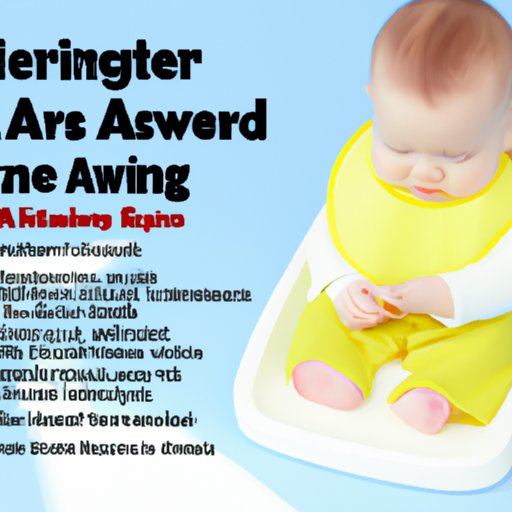
A. Safety Considerations for Baby Led Weaning
Safety is always a priority when introducing solids to babies. When it comes to BLW, it is important to ensure that babies are seated upright in a high chair or booster seat while they are eating. Babies should never be left unsupervised while they are eating.
It is also important to make sure that all foods offered to the baby are cut into small, bite-sized pieces to reduce the risk of choking. Parents should avoid giving their baby any foods that could pose a choking hazard, such as hard candy, nuts, or popcorn.
B. Types of Foods to Offer During Baby Led Weaning
When introducing solids to babies via BLW, it is important to offer a wide variety of healthy, nutrient-rich foods. Examples of foods that can be offered include cooked vegetables, fruits, whole grains, legumes, eggs, fish, and meat.
Parents should also consider offering their baby different textures, such as soft, mashed, or chopped foods. Doing so will help babies become accustomed to different tastes and textures and can help prevent picky eating later on.
C. Guidelines for How Much Food to Offer During Baby Led Weaning
It is important to remember that babies will still be getting most of their nutrition from breast milk or formula during BLW. Therefore, it is not necessary to offer large amounts of food. A good rule of thumb is to offer no more than one tablespoon of food per meal.
Babies should also be given plenty of time to explore different foods and decide whether or not they like them. Parents should not worry if their baby does not seem interested in certain foods; this is normal and part of the learning process.
Troubleshooting Common Challenges with Baby Led Weaning
Although BLW can be a rewarding experience, it is not without its challenges. Here are some tips for dealing with some of the most common problems associated with BLW.
A. Signs That Baby is Ready for Baby Led Weaning
Before starting BLW, it is important to make sure that the baby is ready. Some signs that a baby is ready for BLW include being able to sit up independently, showing interest in food, and being able to pick up food and put it in their mouth.
It is also important to make sure that the baby has enough teeth to chew food safely. If the baby does not have enough teeth, then it is best to wait until they do.
B. Dealing with Picky Eating
Picky eating is common among babies and can be frustrating for parents. The best way to deal with picky eating is to keep offering the same food multiple times and be patient. Studies have found that it can take up to 15 exposures to a new food before a baby will accept it.
It is also important to avoid making meals a battle. If the baby refuses to eat a certain food, parents should not force them to do so. Instead, they should focus on providing a positive and relaxed atmosphere during mealtimes.
C. Overcoming Sibling Rivalry
If parents have multiple children, it can be difficult to ensure that each child gets enough attention during mealtimes. One way to overcome sibling rivalry is to set aside a specific time each day for one-on-one time with each child. This will give each child the opportunity to have the undivided attention of the parent and make them feel special.
Another way to prevent sibling rivalry is to create a mealtime routine that includes activities that all children can participate in. This will help keep the peace and make mealtimes more enjoyable for everyone.
Conclusion
Baby led weaning is an approach to introducing solids that encourages babies to feed themselves and gives them autonomy over their food choices. Research has found that BLW can have many benefits for babies’ physical, mental, and social development.
There are several tips that parents can follow to ensure a successful transition to BLW, such as ensuring safety, offering a variety of healthy foods, and limiting the amount of food offered. In addition, there are several strategies for dealing with common challenges, such as picky eating and sibling rivalry.
Overall, baby led weaning can be a rewarding experience for both parents and babies. With the right tips and guidelines, parents can rest assured that their baby will have a smooth transition to BLW.
(Note: Is this article not meeting your expectations? Do you have knowledge or insights to share? Unlock new opportunities and expand your reach by joining our authors team. Click Registration to join us and share your expertise with our readers.)