
Introduction
Introducing solid foods to your baby is an exciting milestone in their development! It can also be a daunting task for new parents who want to make sure they are providing the best nutrition for their little one. To help parents confidently start their baby on solids, this article provides a comprehensive guide that covers all the basics of baby food.
Baby food is defined as any soft food that has been specifically prepared for babies and young children. This includes purees, mashed fruits and vegetables, and more complex combinations of ingredients. Starting solids is an important step in your baby’s nutrition journey, since it helps them get the essential nutrients they need for proper growth and development.
There are many benefits to introducing solid foods to your baby. Not only will it provide them with additional calories and nutrients, but it can also help them learn to eat different textures, flavors, and colors. Starting solids can help them develop better eating habits and even reduce their risk of obesity later in life.
Step-by-Step Guide to Starting Baby Food
Now that you have an understanding of why introducing solid foods is important, let’s look at the steps you should take to do it safely and successfully.
How to Choose the Right Time to Start
The American Academy of Pediatrics (AAP) recommends introducing solid foods to your baby when they are between 4 and 6 months old. However, every baby is different and some may not be ready until closer to 6 months. Signs that your baby may be ready for solids include being able to sit up without support, showing interest in food, and having good head and neck control.
What Foods to Start With
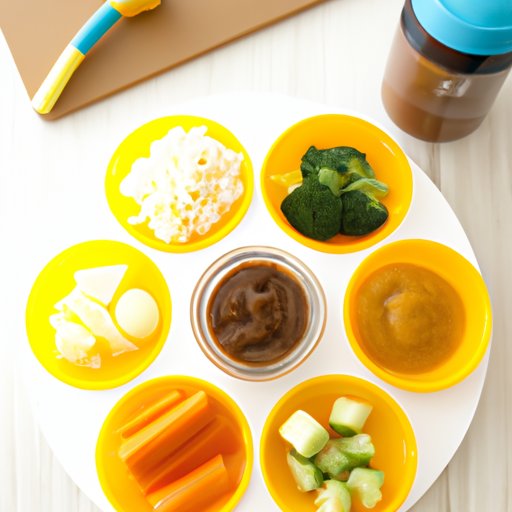
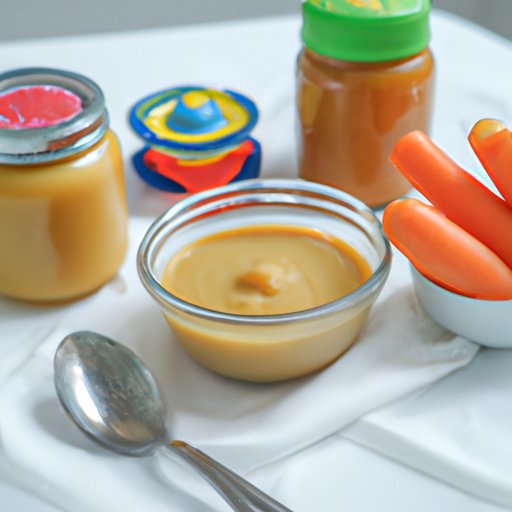
When first introducing solid foods to your baby, it’s best to start with single-ingredient purees. You can make these by blending cooked or steamed fruits and vegetables into a smooth consistency. Some good starter foods include applesauce, mashed banana, sweet potato, avocado, and mashed carrots. Once your baby is comfortable with single-ingredient purees, you can gradually introduce more complex combinations such as oatmeal with fruit or yogurt with mashed berries.
How Much Food to Give Your Baby
At first, your baby may only take a few bites of food. As they get used to eating solids, you can gradually increase the amount of food you offer. The AAP suggests offering about 2 tablespoons of food per meal for babies 6 to 8 months old, increasing to ¼ cup per meal once your baby is 8 to 10 months old. It’s important to remember that your baby’s stomach is very small and they will likely not eat a lot of food at each meal.
How to Introduce Solid Foods to Your Baby
Now that you know when and what to feed your baby, let’s look at the best ways to prepare and serve the food.
Preparing the Food
It’s important to make sure the food you give your baby is safe. Always wash your hands before handling food and make sure all fruits and vegetables are properly washed and peeled. You can also steam or bake vegetables to soften them and make them easier to mash. If you are using store-bought food, make sure it is labeled “organic” or “no added sugar”.
Feeding Methods
When feeding your baby solid foods, it’s important to choose the right feeding method. The traditional spoon-feeding method is still popular, but some parents prefer to use baby-led weaning, which involves offering larger pieces of food for your baby to self-feed. Another option is to offer finger foods such as soft fruits and cooked vegetables or cereal puffs that your baby can pick up and eat.

What You Need to Know Before Starting Your Baby on Solids
Before introducing solid foods to your baby, there are a few things to keep in mind to ensure their safety.
Considerations for Allergy Risks
Food allergies are a real concern for parents, so it’s important to be mindful of possible allergy risks when introducing new foods. Start with single-ingredient purees and wait 3 to 5 days between introducing new foods to watch for any reactions. Common allergens to avoid include cow’s milk, eggs, peanuts, tree nuts, fish, and shellfish.
Guidelines for Choking Hazards
It’s also important to be aware of choking hazards when feeding your baby solid foods. Avoid giving your baby hard, round, or sticky foods such as nuts, popcorn, and raisins. Cut foods into small pieces and watch your baby while they are eating to make sure they are swallowing their food properly.
Tips for Successfully Introducing Baby Food
Introducing solid foods to your baby doesn’t have to be stressful! Here are some tips to make the process enjoyable for both you and your baby.
Strategies for Making Eating Enjoyable
Mealtime should be fun for your baby! Try making funny faces with their food or letting them play with their food. You can also let them explore different tastes and textures by offering a variety of foods. When your baby is ready, you can also let them feed themselves with their own spoon.
Ways to Deal with Picky Eaters
It’s normal for babies to go through phases of being picky eaters. If your baby is refusing certain foods, try offering them again in different forms. For example, if they don’t like cooked carrots, you can try serving them raw or in a smoothie. You can also offer rewards such as stickers or praise to encourage them to try new foods.
A Beginner’s Guide to Starting Baby Food
Starting your baby on solids is an exciting time and can be made easier with the right resources. Here are some ideas to help you get started.
Resources for Recipes and Ideas
If you’re looking for recipe ideas and inspiration, there are plenty of resources available online. Websites such as Wholesome Baby Food and Super Healthy Kids offer a variety of healthy and delicious recipes for babies of all ages. There are also several cookbooks available that can help you come up with tasty meal ideas for your little one.
Where to Find Support
Introducing solids can be overwhelming, and it’s important to have support from others. Reach out to family and friends for advice and tips, or join an online community of parents who are going through the same thing. You can also talk to your pediatrician if you have any questions or concerns.
Conclusion
Starting solids is an important milestone in your baby’s development and can be a rewarding experience for both you and your baby. By following the steps outlined in this guide, you can confidently start introducing solid foods to your baby. Be sure to consider potential allergy risks and choking hazards, and don’t forget to make mealtime fun! With the right resources and support, you’ll be well on your way to raising a happy and healthy eater.
(Note: Is this article not meeting your expectations? Do you have knowledge or insights to share? Unlock new opportunities and expand your reach by joining our authors team. Click Registration to join us and share your expertise with our readers.)