

Introduction
The international shipping industry is a complex network of connections that facilitate the movement of goods around the world. It includes ocean freight, air cargo, customs brokerage, and other services that enable businesses to move their products efficiently and cost-effectively. For entrepreneurs looking to break into the international shipping industry, there are many factors to consider when starting a new business.
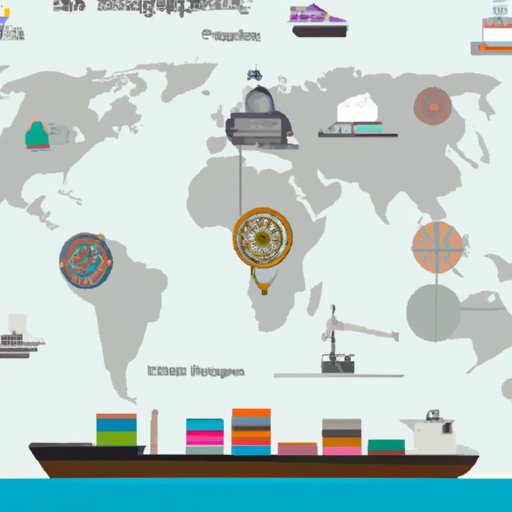
Overview of the International Shipping Industry
The international shipping industry encompasses a variety of services that enable businesses to move their products across borders. This includes ocean freight, air cargo, customs brokerage, warehousing, and other services that enable businesses to transport their goods safely and securely. The industry is highly regulated, with rules and regulations governing every aspect of the process. Understanding these regulations is essential for any entrepreneur looking to start a business in the international shipping industry.

Objectives of Starting an International Shipping Business
Starting an international shipping business requires a clear understanding of the industry and a well-defined business plan. Entrepreneurs need to research the industry, estimate costs, analyze customer needs, and create a plan to reach their goals. They also need to decide on a niche, invest in technology, and find partners to help them succeed. By taking these steps, entrepreneurs can position themselves to launch a successful international shipping business.
Researching the International Shipping Industry
Before launching an international shipping business, it’s important to do thorough research. This includes understanding the various regulations that govern the industry, estimating costs associated with different services, and analyzing customer needs. Doing this research will provide entrepreneurs with the information they need to make informed decisions and create a business plan.
Understanding Regulations
When starting an international shipping business, it’s essential to understand the regulations that govern the industry. These regulations cover everything from tariffs and taxes to safety standards and customs procedures. It’s important to stay up to date on these regulations to ensure compliance and avoid potential fines or penalties.
Estimating Costs
Another important step in starting an international shipping business is estimating the costs associated with different services. This includes the cost of shipping goods overseas, handling customs paperwork, and storing goods in warehouses. Knowing these costs ahead of time will help entrepreneurs set realistic prices and make sure they are turning a profit.
Analyzing Customer Needs
Finally, it’s important to analyze customer needs when starting an international shipping business. Understanding what customers are looking for and how they want their goods delivered will help entrepreneurs create a business plan that meets their needs. This includes offering competitive rates, providing reliable service, and using the latest technology to ensure a smooth delivery process.
Developing a Business Plan
Once the research phase is complete, entrepreneurs can begin developing a business plan. This plan should include clear objectives, strategies for achieving those objectives, and financial projections. It’s important to be realistic when setting goals and crafting strategies, as this will help ensure the success of the business.
Setting Goals
The first step in creating a business plan is to set goals. These goals should be specific, measurable, achievable, relevant, and timely (SMART). Having clearly defined goals will help entrepreneurs stay focused and measure their progress.
Crafting Strategies
Once the goals have been set, entrepreneurs can begin crafting strategies to achieve them. This includes deciding which services to offer, choosing a target market, and setting prices. Crafting a comprehensive strategy will help ensure the success of the business.
Evaluating Financial Projections
The last step in creating a business plan is to evaluate financial projections. This includes estimating revenue, calculating expenses, and forecasting cash flow. Understanding the financials of the business is essential for making informed decisions and ensuring profitability.
Choosing a Niche
When starting an international shipping business, it’s important to choose a niche. This could include specializing in ocean freight, offering air cargo services, or utilizing customs brokerage. Choosing a niche will help entrepreneurs focus their efforts and stand out from the competition.
Specializing in Ocean Freight
For entrepreneurs with experience in ocean freight, specializing in this area could be a good option. This involves arranging for ships to transport goods overseas and managing the logistics associated with the process. It requires a deep understanding of the industry and the ability to negotiate favorable rates with carriers.
Offering Air Cargo Services
For entrepreneurs who prefer to work with air cargo, offering services such as charter flights, door-to-door delivery, and customs clearance could be a good option. Working with air cargo requires knowledge of flight schedules, airport regulations, and other factors that can affect the delivery of goods.
Utilizing Customs Brokerage
Customs brokerage is another niche that entrepreneurs can explore. This involves helping companies navigate the complex regulations associated with importing and exporting goods. It requires a deep understanding of the laws and regulations, as well as the ability to effectively communicate with customers.
Investing in Technology
Technology is becoming increasingly important in the international shipping industry. Investing in software solutions and automation can help entrepreneurs maximize efficiency and reduce costs. By leveraging the latest technology, entrepreneurs can stay ahead of the competition and provide better service to their customers.
Leveraging Software Solutions
Software solutions can help entrepreneurs automate processes and manage data more efficiently. This includes tracking shipments, generating invoices, and handling customs paperwork. Investing in the right software solutions can save time and money, allowing entrepreneurs to focus on growing their business.
Automating Processes
Automation is key when it comes to streamlining operations. Automating processes such as billing, scheduling, and tracking can save time and reduce errors. Leveraging automation can also help entrepreneurs free up resources and focus on providing better service to their customers.
Maximizing Efficiency
Finally, investing in technology can help entrepreneurs maximize efficiency. This includes using data analytics to identify trends and optimize operations. By leveraging technology, entrepreneurs can gain a competitive edge and increase their profits.
Finding Partnerships
In addition to investing in technology, it’s important to find partnerships to help grow the business. This includes connecting with carriers, working with freight forwarders, and partnering with vendors. Finding the right partners can help entrepreneurs expand their reach and provide better service to their customers.
Connecting with Carriers
Working with carriers is essential for any international shipping business. Connecting with the right carriers can help entrepreneurs negotiate favorable rates and ensure reliable service. It’s important to have relationships with multiple carriers to provide customers with options and ensure continuity of service.
Working with Freight Forwarders
Freight forwarders can be invaluable partners for entrepreneurs looking to break into the international shipping industry. Freight forwarders specialize in organizing the transportation of goods and can help entrepreneurs navigate the complexities of the industry. Working with a reliable freight forwarder can help entrepreneurs provide better service to their customers.
Partnering with Vendors
Finally, partnering with vendors is another way to grow an international shipping business. Vendors provide the supplies necessary for transporting goods, such as packaging materials, containers, and pallets. Establishing relationships with vendors can help entrepreneurs get the supplies they need at competitive prices.
Conclusion
Starting an international shipping business requires careful planning and research. Entrepreneurs should understand the regulations, estimate costs, analyze customer needs, and develop a business plan. They should also choose a niche, invest in technology, and find partnerships to help them succeed. By taking these steps, entrepreneurs can position themselves to launch a successful international shipping business.
(Note: Is this article not meeting your expectations? Do you have knowledge or insights to share? Unlock new opportunities and expand your reach by joining our authors team. Click Registration to join us and share your expertise with our readers.)