
Introduction
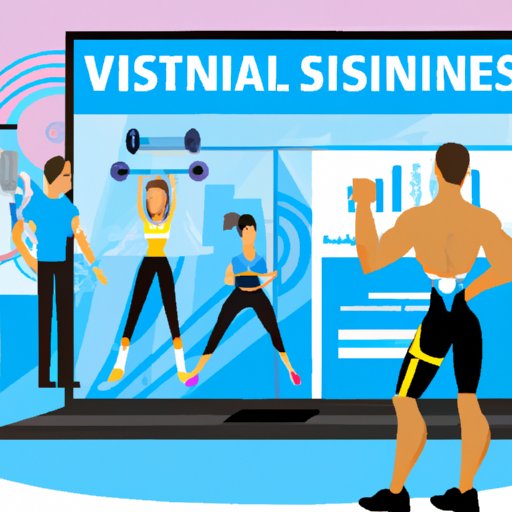
The current pandemic has caused many people to look for alternative ways to stay fit and healthy. Virtual fitness businesses are one solution that can help people stay in shape while still adhering to social distancing guidelines. Starting a virtual fitness business has numerous benefits, such as low overhead costs and the potential to reach a broad customer base. Here, we will discuss the benefits of starting a virtual fitness business, how to identify your target market and offerings, and developing a comprehensive business plan.

Overview of the Benefits of Starting a Virtual Fitness Business
The advantages of starting a virtual fitness business include low overhead costs, flexibility in when and where you work, and the potential to reach a large audience. With a virtual fitness business, you don’t need to worry about paying for expensive gym equipment or renting out physical space. Instead, you can simply use online platforms to deliver your services. This also allows for greater flexibility in when and where you work, as you no longer have to be tied to a particular location. Furthermore, with the rise in popularity of social media, it is easier than ever to reach a wide range of customers from all over the world.

Identifying Your Target Market and Offerings
When starting a virtual fitness business, it is important to identify your target market and offerings. Consider who your ideal customer is and what type of services they may be looking for. Are they looking to lose weight or gain muscle? Are they looking for specific exercises or routines? Once you have identified your target market, you can then start to create a list of services and packages that will appeal to them. You can also offer additional services, such as nutrition advice or lifestyle coaching, to give your customers an even more personalized experience.
Developing a Comprehensive Business Plan
Once you have identified your target market and offerings, the next step is to develop a comprehensive business plan. This plan should include research into competitors and pricing strategies, as well as creating a website and promoting your services. When researching competitors, consider what they are offering and how their prices compare to yours. This will help you determine how to differentiate yourself from the competition and set competitive pricing that will attract customers. Additionally, you should create a website to showcase your services and make it easy for customers to book appointments or purchase packages. Finally, you should promote your services through social media, email campaigns, and other digital marketing tactics.
Conclusion
In conclusion, starting a virtual fitness business has many benefits, including low overhead costs, flexibility in when and where you work, and the potential to reach a large audience. To get started, you should identify your target market and offerings, as well as develop a comprehensive business plan that includes research into competitors and pricing strategies, creating a website, and promoting your services. With the right strategy and dedication, you can launch a successful virtual fitness business and help people stay fit during these challenging times.
(Note: Is this article not meeting your expectations? Do you have knowledge or insights to share? Unlock new opportunities and expand your reach by joining our authors team. Click Registration to join us and share your expertise with our readers.)