
Introduction
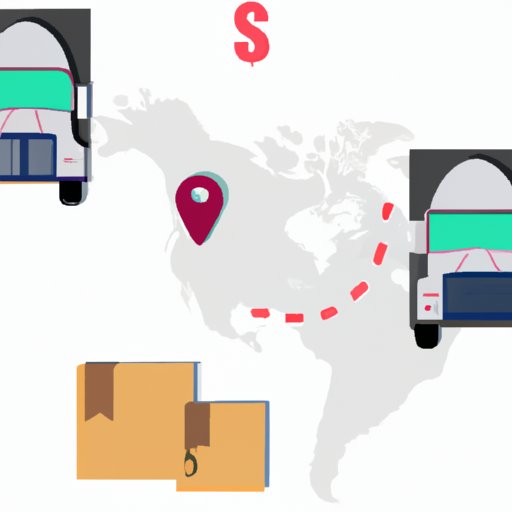
For those looking to break into the trucking industry, owning a trucking dispatch business is a great opportunity to do so. A trucking dispatch business is responsible for managing the logistics of getting goods from one place to another by coordinating with drivers, customers, and suppliers. Owning a trucking dispatch business requires significant research, planning, and dedication to ensure it is operated in compliance with all applicable laws and regulations.
Outline the Steps to Starting a Trucking Dispatch Business
Starting a trucking dispatch business requires thorough research and planning. The following outlines the steps necessary to get started:
Research the trucking industry and local regulations
The first step is to become familiar with the trucking industry and the regulations that apply to it. It is important to understand the federal, state, and local regulations that must be followed when operating a business in the trucking industry. Additionally, conducting research into the types of services offered by other trucking businesses in the area will help you determine what services your business will offer and how you will differentiate yourself from the competition.
Obtain necessary licensing and permits
Once you’ve done your research, the next step is to obtain the necessary licenses and permits to operate a trucking dispatch business. This includes registering with the Federal Motor Carrier Safety Administration (FMCSA), obtaining insurance, and complying with any applicable environmental regulations. It is important to be aware of the fees associated with obtaining these licenses and permits, as well as the time frame for completing the process.
Acquire the right technology and equipment
Technology and equipment are essential components of running a successful trucking dispatch business. You will need to invest in software to manage customer orders, track shipments, create invoices, and more. Investing in a good quality GPS system is also recommended to ensure accurate tracking of shipments. Additionally, you may need to purchase or lease additional equipment such as trucks, trailers, and communication devices.
Secure funding
Securing funding is a critical step in starting a trucking dispatch business. Many businesses rely on loans or investments from family and friends to get started. Additionally, there are many government grants and loan programs available for small businesses. Before applying for financing, it is important to have a clear understanding of the costs associated with starting a trucking dispatch business and a detailed plan on how the funds will be used.
Develop relationships with customers and suppliers
Once you’ve obtained the necessary licenses, permits, and funding, the next step is to develop relationships with customers and suppliers. Establishing a strong network of customers and suppliers is essential for the success of a trucking dispatch business. Make sure to research potential customers and suppliers and thoroughly vet them to ensure they meet your standards.
Discuss the Benefits of Owning a Trucking Dispatch Business
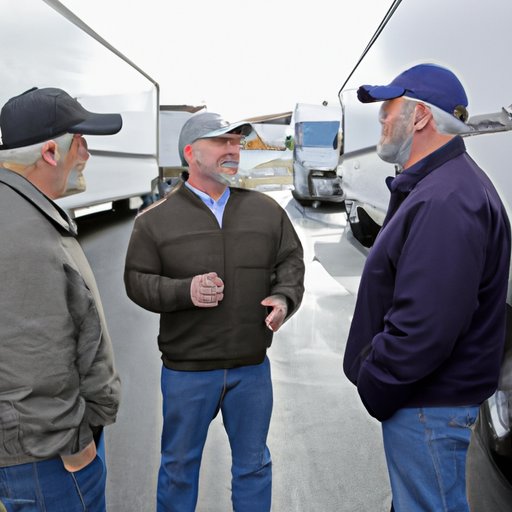
There are numerous benefits to owning a trucking dispatch business. According to a study by the Small Business Administration, small businesses account for 99.9% of all businesses in the U.S., and the majority of these businesses are owned by individuals. Owning a trucking dispatch business gives owners the potential to increase their income, enjoy greater flexibility in operations, and build relationships with customers and suppliers.

Explain the Necessary Licensing and Regulations for a Trucking Dispatch Business
It is important to understand the various licensing and regulations that apply to a trucking dispatch business. Federal regulations include the Federal Motor Carrier Safety Administration (FMCSA) requirements and the Department of Transportation (DOT) rules. State and local regulations vary depending on the jurisdiction, but most states require truckers to obtain a commercial driver’s license (CDL). Additionally, trucking businesses must carry liability insurance and comply with environmental regulations.
Analyze the Cost of Starting a Trucking Dispatch Business
When starting a trucking dispatch business, it is important to understand the costs associated with it. The cost of obtaining the necessary licenses and permits can range from a few hundred dollars to several thousand dollars, depending on the type of license required. Additionally, there are the costs associated with acquiring the necessary technology and equipment, as well as the costs associated with securing funding. Finally, there are ongoing operational costs such as fuel, maintenance, and insurance.

Highlight Strategies for Finding Customers for a Trucking Dispatch Business
Finding customers is an essential part of running a successful trucking dispatch business. Utilizing online resources such as job boards and networking opportunities can help you find potential customers. Additionally, developing relationships with other trucking businesses in the area can help you gain referrals. Finally, building an online presence through a website and social media can help you reach customers who may not otherwise be aware of your business.
Conclusion
Owning a trucking dispatch business can be a rewarding venture for those looking to enter the trucking industry. Starting a trucking dispatch business requires thorough research, obtaining necessary licensing and permits, acquiring the right technology and equipment, securing funding, and developing relationships with customers and suppliers. Additionally, understanding the costs associated with starting a trucking dispatch business, as well as strategies for finding customers, is essential for the success of the business. With the right research, planning, and dedication, anyone can start a successful trucking dispatch business.
(Note: Is this article not meeting your expectations? Do you have knowledge or insights to share? Unlock new opportunities and expand your reach by joining our authors team. Click Registration to join us and share your expertise with our readers.)