
Introduction
A trailer park, also known as a mobile home park, is a community of homes that are built on wheels and can be moved from place to place. These parks provide a unique way of living for those who value convenience and affordability. In recent years, the demand for trailer parks has grown significantly due to their low cost of living and easy mobility. If you’re considering starting a trailer park, there are several important steps you must take in order to ensure its success.
Research Local Laws & Regulations for Starting a Trailer Park
Before you can begin the process of starting your trailer park, it’s important to understand the local laws and regulations that apply. Every town or city may have different rules and regulations regarding the construction and operation of a trailer park. It’s essential to research these laws and regulations to ensure that you’re in compliance. You will likely need to secure necessary permits for the construction of your trailer park, so make sure to factor this into your timeline. According to an article from The Balance Small Business, “It’s important to check with your local zoning board to see what kind of restrictions may be in place when it comes to establishing a mobile home park.”
Develop an Ideal Location for Your Trailer Park
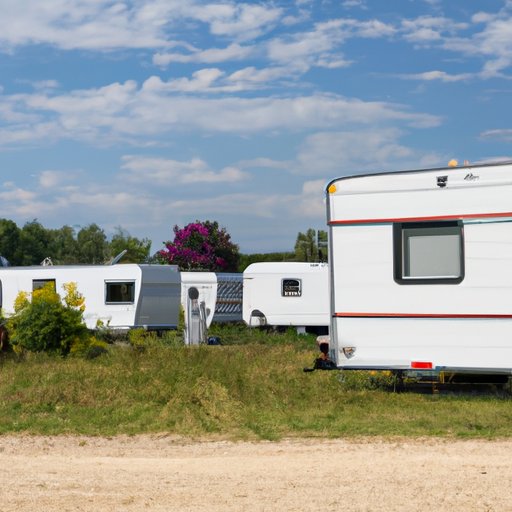
Once you’ve researched the local laws and regulations, the next step is to identify a suitable location for your trailer park. When looking for land, it’s important to consider accessibility, size, nearby amenities, and the local market. Accessibility is key when it comes to trailer parks, since many people will be driving in and out of the park on a regular basis. Size is also important, as you’ll need enough space to accommodate all the trailers in the park. Additionally, assess the local market to determine if there is a need for a trailer park in the area. Lastly, calculate the cost of development, including any necessary permits, materials, and labor.
Establish a Business Plan for Your Trailer Park
The next step in starting a trailer park is to create a comprehensive business plan. This plan should outline your vision and goals, as well as include a budget and marketing strategy. Establishing a budget will help you determine how much money you need to fund the project. Additionally, creating a marketing plan will help you attract potential tenants to your trailer park. An article from Entrepreneur Magazine states, “This business plan should include a description of the services offered, the target market, pricing information, and details about who will manage the park.”
Acquire Financing to Fund Your Trailer Park
After you’ve established a business plan, the next step is to acquire financing to fund your trailer park. There are several ways to do this, such as seeking out potential investors or applying for loans or grants. It’s important to research the different options available to you and choose the one that best meets your needs. Additionally, it’s beneficial to have a solid business plan in place before reaching out to potential investors. According to an article from Investopedia, “Having a business plan in place and being able to show potential investors that you have thought through the various aspects of running a business will go a long way in convincing them to invest in your venture.”
Purchase Land & Necessary Supplies
Once you’ve secured the necessary financing, the next step is to purchase the land and necessary supplies for your trailer park. Evaluate potential properties to ensure they meet your criteria, such as size, accessibility, and cost. Additionally, purchase any necessary supplies, such as building materials and tools. According to an article from the U.S. Small Business Administration, “You’ll need to buy or lease land, build roads, install utilities, construct buildings, purchase equipment, and hire staff.”
Set Up Utilities & Amenities for Your Trailer Park
The last step in starting a trailer park is to set up utilities and amenities for your tenants. This includes installing utilities such as water, sewer, and electricity. Additionally, you’ll need to set up amenities such as recreational areas, laundry facilities, and playgrounds. According to an article from Forbes, “Creating a safe, comfortable environment for residents is essential to running a successful trailer park.”
Conclusion
Starting a trailer park is a complex process that requires extensive research and planning. This step-by-step guide outlined the key steps needed to get started, from researching local laws and regulations to setting up amenities. Remember to always research the local laws and regulations first, as they will dictate the success of your trailer park. With the right preparation and dedication, you can successfully launch your own trailer park.
(Note: Is this article not meeting your expectations? Do you have knowledge or insights to share? Unlock new opportunities and expand your reach by joining our authors team. Click Registration to join us and share your expertise with our readers.)