
Introduction
Starting a plumbing business can be an incredibly rewarding venture. It offers the chance to make a good living while helping people solve problems in their homes or businesses. However, there are many steps involved in starting a successful plumbing business. This article outlines all of the necessary steps to get a plumbing business up and running, including obtaining licensing and certifications, securing financing, purchasing tools and equipment, setting up business structure, finding start-up funding, understanding legal requirements, discussing benefits of hiring employees vs. contractors, explaining how to market a plumbing business, and highlighting essential tools and equipment needed for a plumbing business.
Outline Necessary Steps to Get a Plumbing Business Up and Running
The first step to getting a plumbing business up and running is to obtain the necessary licensing and certifications. Depending on the state, this may require passing a plumbing exam, having a certain amount of experience working as a plumber, and/or taking additional courses. It’s important to research the specific requirements for the state in which the business will operate. Additionally, it’s also important to obtain any required insurance policies.
The next step is to secure financing for the business. This could come from personal savings, a loan from a bank, or other sources such as grants or crowdfunding platforms. It’s important to have enough money to cover start-up costs such as purchasing tools and equipment, advertising, and any other necessary expenses.
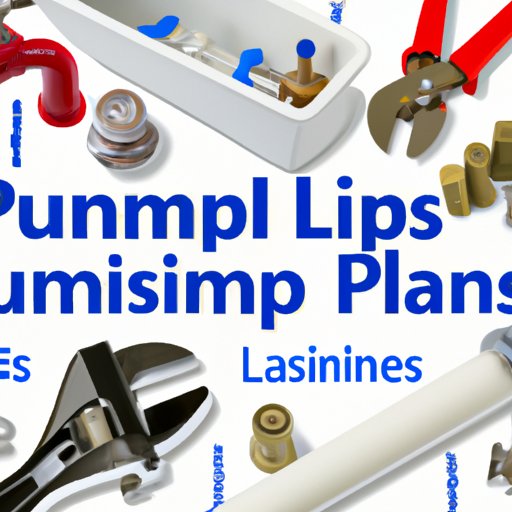
Once the necessary funds have been secured, the next step is to purchase all of the necessary tools and equipment. This includes basic plumbing tools such as wrenches, screwdrivers, pipe cutters, and plungers, as well as specialty tools such as augers, drain snakes, and water pressure gauges. It’s important to make sure that all of the tools and equipment are in good working order before they are used.
The fourth step is to set up the business structure. This involves deciding whether the business will be a sole proprietorship, partnership, limited liability company (LLC), or corporation. Each type of business structure has its own advantages and disadvantages, so it’s important to research each option carefully before making a decision. Additionally, it’s important to open a business bank account, obtain a federal employer identification number (EIN), and file all necessary paperwork with the local, state, and federal government.
Tips for Finding Start-up Funding for a Plumbing Business
Finding start-up funding for a plumbing business can be a challenge, but there are several options available. First, it’s important to research any grants or loans that may be available for small businesses in the area. Additionally, crowdfunding platforms such as Kickstarter and GoFundMe can be great ways to raise funds quickly. Finally, it’s important to consider leveraging personal assets such as home equity or investments to fund the business.
Describe Legal Requirements for Starting a Plumbing Business
It’s important to understand the legal requirements for starting a plumbing business. First, it’s important to file all necessary paperwork with government agencies such as the IRS, state tax department, and local municipality. Additionally, it’s important to register the business name and logo with the appropriate agencies. It’s also important to understand the tax responsibilities associated with running a business, such as filing quarterly taxes and paying estimated taxes.

Discuss Benefits of Hiring Employees vs. Contractors
When starting a plumbing business, it’s important to consider whether to hire employees or contractors. Hiring employees offers the benefit of having more control over their work, but it also requires additional paperwork and potentially higher payroll taxes. Contractors offer the benefit of lower overhead costs and less paperwork, but it can be more difficult to ensure quality and consistency of work. Ultimately, it’s important to weigh the pros and cons of each option before making a decision.

Explain How to Market a Plumbing Business
Marketing is essential for any business, and a plumbing business is no exception. It’s important to develop a comprehensive marketing plan that includes both online and offline strategies. Online strategies may include creating a website, utilizing social media, and optimizing for search engine visibility. Offline strategies may include networking with other professionals, attending trade shows, and utilizing traditional advertising methods such as print and radio.
Highlight Essential Tools and Equipment Needed for a Plumbing Business
In addition to the tools and equipment mentioned earlier, there are several other items that should be considered when starting a plumbing business. Safety gear such as protective eyewear, gloves, and boots should always be worn when working. Additionally, it’s important to have a reliable vehicle to transport tools and materials to job sites. Finally, it’s important to invest in quality tools and equipment that will last for years.
Conclusion
Starting a plumbing business can be a rewarding venture, but it requires careful planning and preparation. It’s important to obtain necessary licensing and certifications, secure financing, purchase tools and equipment, set up business structure, find start-up funding, understand legal requirements, decide whether to hire employees or contractors, develop a comprehensive marketing plan, and invest in essential tools and equipment. With dedication and hard work, a plumbing business can be a successful and profitable endeavor.
(Note: Is this article not meeting your expectations? Do you have knowledge or insights to share? Unlock new opportunities and expand your reach by joining our authors team. Click Registration to join us and share your expertise with our readers.)