

Introduction
Starting a machine shop can be a rewarding venture for anyone interested in fabrication and metalworking. A machine shop is a business that provides machining services such as milling, turning, and grinding for a variety of industries. The machine shop industry is highly competitive, so it’s important to do your research and understand the steps involved in opening and running a successful business.

Definition of a Machine Shop
A machine shop is a facility that houses specialized machinery and tools used by machinists to fabricate parts out of metal, plastic, or other materials. Machinists use these tools to cut, shape, and finish materials into finished products, components, or parts. Machine shops typically specialize in particular areas such as milling, turning, or grinding, though some may offer all three services.
Benefits of Owning a Machine Shop
Owning a machine shop can be a great way to put your machining skills to work and make money doing something you love. It also offers potential for growth as you can expand your services to include more specialized services such as CNC machining or 3D printing. Furthermore, owning a machine shop can provide a steady stream of income as long as you have clients who need your services.

Outline the Steps for Starting a Machine Shop
Starting a machine shop is no small task. There are many steps involved, from researching the necessary equipment and supplies to marketing your shop to attract customers. Below we outline the steps for starting a machine shop.
Research the Necessary Equipment and Supplies
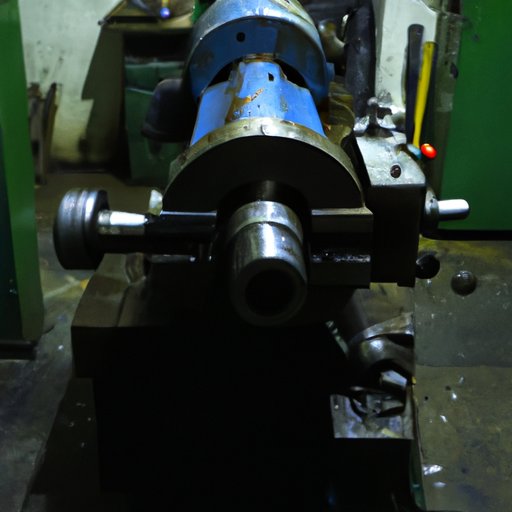
The first step in starting a machine shop is to research the necessary equipment and supplies. You’ll need to purchase specialized tools and machines such as lathes, mills, grinders, and saws. You’ll also need to buy safety gear such as eye protection, gloves, and ear protection. Additionally, you’ll need to purchase raw materials such as metals, plastics, and woods to use in your projects.
Secure Financing to Fund Your Business
Once you’ve researched the necessary equipment and supplies, the next step is to secure financing to fund your business. You’ll need to consider the cost of the equipment, raw materials, and other expenses associated with starting a machine shop. You’ll need to decide whether you want to apply for a loan or look for investors to help finance your business. You should also look into any government grants or incentives that may be available to help you get started.
Find a Suitable Location for Your Machine Shop
Finding a suitable location for your machine shop is another important step. You’ll need to consider factors such as access to power and water, space for storage and workspace, and proximity to suppliers and customers. You’ll also need to ensure the area meets local zoning regulations and that you have adequate parking for yourself and customers.

Prepare a Comprehensive Business Plan
Once you’ve secured financing and found a suitable location, the next step is to prepare a comprehensive business plan. This should include a detailed description of your services, pricing structure, target market, and marketing strategy. You should also include financial projections and a plan for managing cash flow. A well-crafted business plan will help convince lenders and investors to support your venture.

Obtain the Necessary Licenses and Permits
Before you can open your machine shop, you’ll need to obtain the necessary licenses and permits. Depending on your location, this may include a business license, sales tax permit, zoning permit, and other permits related to operating a manufacturing business. Some locations may also require you to obtain environmental permits if you’re dealing with hazardous materials.
Market Your Machine Shop to Attract Customers
Once you’ve obtained the necessary licenses and permits, the next step is to market your machine shop to attract customers. You’ll need to create a website, design promotional materials, and reach out to potential customers. Additionally, you should consider attending trade shows and conferences to network with potential clients. Social media can also be a great way to connect with potential customers.
Conclusion
Starting a machine shop is a complex process, but with the right preparation and dedication, it can be a rewarding venture. The steps outlined above provide an overview of what is needed to start a machine shop, from researching the necessary equipment and supplies to securing financing and obtaining the necessary licenses and permits. Finally, you’ll need to market your machine shop to attract customers.
Summary of Steps for Starting a Machine Shop
To summarize, the steps for starting a machine shop include researching the necessary equipment and supplies, securing financing, finding a suitable location, preparing a business plan, obtaining the necessary licenses and permits, and marketing your machine shop to attract customers.
Benefits of Owning a Machine Shop
Owning a machine shop can be a lucrative venture for anyone interested in fabrication and metalworking. It offers potential for growth as you can expand your services to include more specialized services such as CNC machining or 3D printing. Additionally, owning a machine shop can provide a steady stream of income as long as you have clients who need your services.
(Note: Is this article not meeting your expectations? Do you have knowledge or insights to share? Unlock new opportunities and expand your reach by joining our authors team. Click Registration to join us and share your expertise with our readers.)