
Introduction
A low sodium diet is an eating plan that limits the amount of sodium in your daily food intake. Sodium is a mineral found in many foods, including table salt and other seasonings. It’s important to keep your sodium intake within recommended levels, as too much can lead to health problems like high blood pressure and stroke. Eating a low sodium diet can help reduce your risk of these conditions and keep you feeling healthy and energized.
Identify Low-Sodium Foods to Stock Your Kitchen With
The key to starting a successful low sodium diet is to stock your kitchen with the right ingredients. Look for whole, unprocessed foods like fresh fruits and vegetables, lean meats and fish, and unsalted nuts and seeds. Make sure to check nutrition labels on canned and packaged goods for sodium content, and opt for low-sodium or no-salt added varieties. Here are some specific foods to look for:
Fruits and Vegetables
Fruits and vegetables are essential components of any diet, and they’re naturally low in sodium. Choose fresh, frozen, or no-salt-added canned produce to get the most nutritional benefits. Some great options include leafy greens, bell peppers, broccoli, carrots, apples, oranges, and berries.
Whole Grains
Whole grains are a great way to add fiber and essential vitamins and minerals to your diet. Look for whole grain breads, pastas, and cereals that are labeled as low-sodium or no-salt-added. Quinoa, brown rice, oats, and barley are also excellent sources of whole grains.
Lean Meats and Fish
Protein is an important part of a balanced diet. Choose lean cuts of meat such as chicken, turkey, and pork loin, and opt for wild-caught fish like salmon and tuna. If you’re buying canned fish, make sure it’s packed in water rather than oil or brine.
Dairy Products
Dairy products such as milk, yogurt, and cheese provide calcium and other essential nutrients. Look for low-fat or nonfat varieties that are labeled as no-salt-added or low-sodium.
Plan Meals That Incorporate Low-Sodium Foods
Once you’ve stocked your kitchen with the right ingredients, it’s time to start planning meals that incorporate low-sodium foods. Begin by choosing recipes that use low-sodium ingredients, such as grilled chicken with vegetables or baked salmon with brown rice. You can also try different cooking techniques to enhance flavor without adding salt, such as roasting, grilling, sautéing, and steaming. Experiment with herbs, spices, and other flavorings to add depth to your dishes.
Read Labels on Processed and Canned Foods
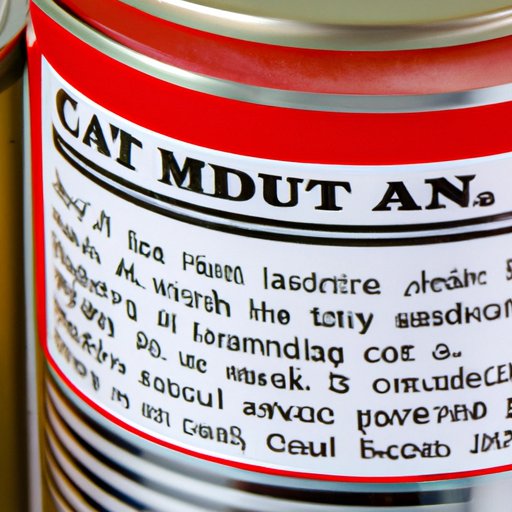
Processed and canned foods are often high in sodium, so it’s important to read labels carefully. Choose low-sodium or no-salt-added varieties whenever possible. Also be aware of hidden sources of sodium, such as monosodium glutamate (MSG) and baking soda. Avoid sauces, condiments, and salad dressings that are high in sodium.
Find Alternatives to Salt for Flavoring Dishes
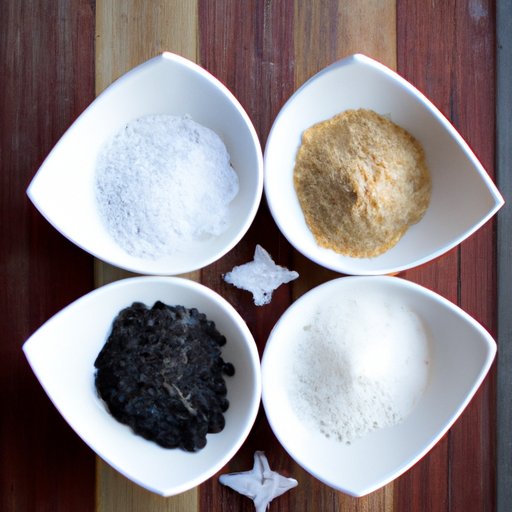
Salt isn’t the only way to add flavor to your dishes. Try using citrus juices and zest, acidic ingredients like vinegar and wine, and fresh herbs and spices to give your meals a boost. You can also experiment with different types of oils, vinegars, and mustards to create flavorful marinades and dressings.

Ask About Sodium Content When Eating Out
When dining out, it can be difficult to know exactly how much sodium is in each dish. Learn to read restaurant menus and ask your server questions about sodium content. Request lower sodium options if available, or ask the chef to prepare your meal with less salt.
Monitor Your Sodium Intake with a Food Journal
Keeping a food journal is a great way to track your sodium intake and ensure you’re staying within recommended levels. Record what you eat throughout the day and note the sodium content of each item. This will help you stay on track and make adjustments if necessary.
Conclusion
Making the switch to a low sodium diet can be challenging, but it’s worth it in the long run. By following the steps outlined above, you can identify low-sodium foods to stock your kitchen with, plan meals that incorporate these foods, read labels on processed and canned goods, find alternatives to salt for flavoring dishes, ask about sodium content when eating out, and monitor your intake with a food journal. The benefits of following a low sodium diet are numerous, from improved heart health to increased energy levels. So get started today and reap the rewards of a healthier lifestyle!
(Note: Is this article not meeting your expectations? Do you have knowledge or insights to share? Unlock new opportunities and expand your reach by joining our authors team. Click Registration to join us and share your expertise with our readers.)