

Introduction
The locksmith industry is a necessary and important aspect of providing security for both residential and commercial properties. According to the Bureau of Labor Statistics, locksmiths are projected to see a 7% growth in jobs from 2019 to 2029, which is faster than the average for all occupations. Starting a locksmith business can be a great way to capitalize on this growing industry and provide an essential service to your community.
This article will provide an overview of the initial steps for starting a locksmith business, including how to research the market and competition, create a business plan, secure financing, choose a business name and location, and obtain the necessary permits and licenses. Additionally, we will discuss the essential equipment and supplies needed for a locksmith business, as well as the licensing and insurance requirements. Finally, we will cover how to market a locksmith business and highlight tips for building a successful locksmith business.

Outline the Initial Steps for Starting a Locksmith Business
When starting a new business, it’s important to have a plan in place that outlines the initial steps. To get started on the path to launching a successful locksmith business, consider the following steps.
Research the Market and Competition
Before getting too far into the process of starting a locksmith business, it’s important to conduct research to understand the local market and competition. Consider the number of existing locksmith businesses in the area, the services they offer, and the prices they charge. This information will help you determine what types of services you should focus on and how much you should charge for them. Additionally, try to identify any gaps in the market so you can fill them with your own unique offerings.
Create a Business Plan
Creating a business plan is an important step for any new business venture. Your business plan should include an executive summary, a description of your target market, a competitive analysis, a marketing strategy, and financial projections. A well-crafted business plan will help you stay organized and focused on the goals of your business, as well as provide potential investors with an understanding of your vision.
Secure Financing
Securing financing is another key step when starting a locksmith business. Consider applying for a small business loan or seeking out investors who may be interested in investing in your business. Additionally, look into grants and other forms of funding that may be available in your area.
Choose a Business Name and Location
Choosing a business name and location is also an important step in launching a locksmith business. When selecting a name, make sure it’s unique and memorable. Additionally, consider the type of clientele you want to attract and the services you plan to offer when choosing a location. It’s also important to ensure that the location you select meets all local zoning and building codes.
Obtain Necessary Permits and Licenses
Finally, it’s important to obtain the necessary permits and licenses before starting a locksmith business. The specific licensing requirements vary by state, so be sure to check with your local government to determine what permits and licenses you need. Additionally, some states may require locksmiths to pass a background check before being issued a license.
Describe the Essential Equipment and Supplies Needed for a Locksmith Business
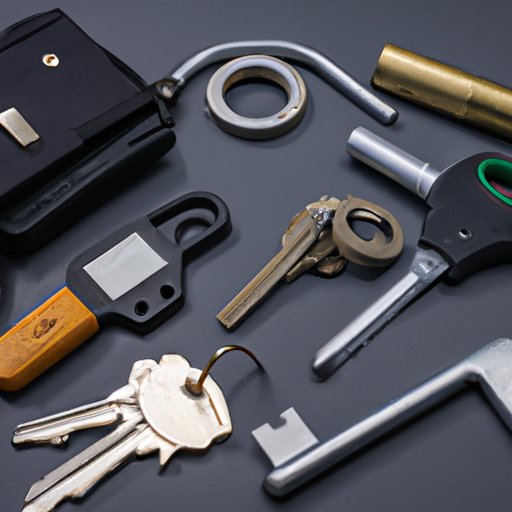
In order to launch a successful locksmith business, there are certain pieces of equipment and supplies you will need. Here is a list of the basic and specialty tools and supplies you will need to get started.
Basic Tools and Supplies
The basic tools and supplies you will need for a locksmith business include a key machine, pinning kits, lock picks, wrenches, screwdrivers, hammers, pliers, files, drill bits, and lubricants. Additionally, you will need access to a variety of locks such as padlocks, deadbolts, and door knobs.
Specialty Tools and Supplies
If you plan to offer more specialized services such as keyless entry systems or high-security locks, you will need additional specialty tools and supplies. These include access control systems, electronic keypad locks, card readers, biometric locks, and transponder keys.
Discuss the Licensing and Insurance Requirements for Operating a Locksmith Business
In addition to the necessary permits and licenses required to start a locksmith business, there are also certain licensing and insurance requirements you must meet in order to legally operate your business. Here are some of the most common requirements.
State-specific Licensing Requirements
As mentioned previously, the specific licensing requirements vary by state. Some states require locksmiths to be licensed while others do not. In states where locksmiths are required to be licensed, they often must complete a certain number of hours of training and pass a written exam. It’s important to check with your state’s licensing board to determine what the specific requirements are.
Insurance Requirements
Another important requirement for operating a locksmith business is having the proper insurance. Most states require locksmiths to carry general liability insurance and workers’ compensation insurance. Additionally, some states may require locksmiths to carry surety bonds or other forms of insurance.

Explain How to Market a Locksmith Business
Once you’ve established your locksmith business and obtained the necessary permits and licenses, it’s time to start thinking about how to market your business and attract new customers. Here are some tips for marketing your locksmith business.
Develop a Website
Having a website is one of the most important steps in marketing your locksmith business. A website allows potential customers to learn more about your services and contact you for more information. Additionally, having a website will help you establish credibility and trust with potential customers.
Utilize Online Advertising
Online advertising is also a great way to reach potential customers. Consider using search engine optimization (SEO) to increase visibility and using social media platforms to engage with potential customers. Additionally, consider paid online advertising options such as Google Ads, Facebook Ads, and other targeted campaigns.
Network with Other Professionals
Networking with other professionals in the locksmith industry can also be a great way to market your business. Consider joining local trade organizations and attending conferences and events to increase your visibility and build relationships with other professionals.
Highlight Tips for Building a Successful Locksmith Business
Building a successful locksmith business takes hard work and dedication. Here are some tips to help you succeed.
Establish Relationships with Local Businesses
Establishing relationships with local businesses is a great way to build a loyal customer base. Consider offering discounts to local businesses and networking to gain referrals. Additionally, think of ways to collaborate with other businesses to create mutually beneficial relationships.
Offer Emergency Services
Offering emergency services is another way to set your locksmith business apart from the competition. Consider offering 24-hour emergency services and providing quick response times to attract new customers.
Invest in Continuing Education
Finally, investing in continuing education is essential for staying up to date on the latest trends and technologies in the locksmith industry. Consider taking courses to learn new techniques and expand your skillset.
Conclusion
Starting a locksmith business can be a rewarding and lucrative venture. By researching the market and competition, creating a business plan, securing financing, choosing a business name and location, obtaining the necessary permits and licenses, and investing in essential equipment and supplies, you can set yourself up for success. Additionally, marketing your business effectively and investing in continuing education will help you build a successful locksmith business.
In conclusion, starting a locksmith business requires careful planning, the right equipment and supplies, and knowledge of local licensing and insurance regulations. With the right resources and dedication, you can build a successful business that provides an essential service to your community.
(Note: Is this article not meeting your expectations? Do you have knowledge or insights to share? Unlock new opportunities and expand your reach by joining our authors team. Click Registration to join us and share your expertise with our readers.)