
Introduction
Knitting has been around for centuries and is still popular today. It’s a great way to relax and express your creativity while creating unique pieces of art. Whether you’re looking to make a cozy scarf or a warm sweater, learning how to knit can be a fun and rewarding experience. But where do you start?
This article will provide a step-by-step guide on how to start knitting. We’ll cover what supplies you need, how to learn the basics, how to follow a pattern, how to take a class, how to watch videos, and how to join a knitting group. By the end of this article, you should have all the information you need to begin your knitting journey.
Gather the Supplies
The first step in starting to knit is to gather the necessary supplies. Depending on the type of project you’re making, you may need different types of yarn, needles, and other supplies. For beginner projects, it’s best to start with a medium weight yarn and size 8 or 9 needles.
Yarn comes in a variety of colors, weights, and fibers. Some popular choices include wool, cotton, acrylic, and alpaca. When choosing yarn, it’s important to consider the type of project you’re making and the desired texture and feel of the finished product. Make sure to read the label carefully to ensure you are getting the right type of yarn for your project.
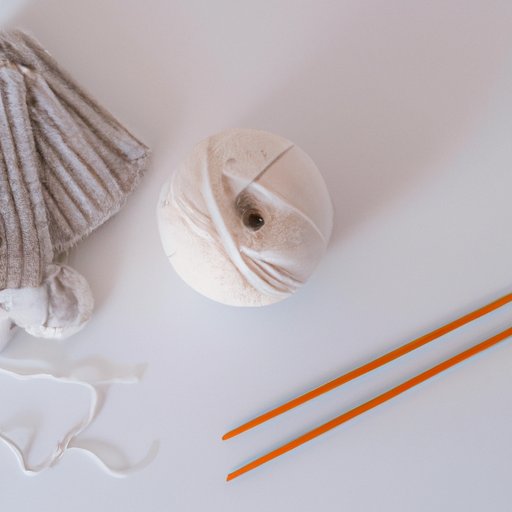
In addition to yarn, you will also need needles. Knitting needles come in various sizes and materials, such as wood, metal, and plastic. The size of the needle will depend on the type of yarn you are using and the type of project you are making. Other supplies that you may need include stitch markers, row counters, scissors, and tapestry needles.
Learn the Basics
Once you have gathered the necessary supplies, it’s time to learn the basics of knitting. There are several basic stitches and techniques that you should become familiar with, such as the knit stitch, purl stitch, and casting on. You can find tutorials online or in books to help you learn these techniques. It’s important to practice these techniques until you feel comfortable with them before moving on to more complex patterns.
One of the most important techniques to learn is casting on. This technique involves looping the yarn around the needles to create the first row of stitches. It’s important to practice this technique until you feel comfortable doing it. Once you have mastered casting on, you can move on to learning more advanced techniques and stitches.
Follow a Pattern
Once you have learned the basics of knitting, it’s time to find a pattern to follow. Patterns are available online or in books and typically include instructions on how to cast on, the type of yarn to use, the number of stitches to cast on, and the number of rows to knit. It’s important to choose a pattern that matches your skill level so that you don’t become overwhelmed or frustrated. Patterns are a great way to learn new techniques and build your skills as a knitter.
When following a pattern, it’s important to read the instructions carefully and pay attention to the details. Make sure to count the number of stitches and rows to ensure that you are creating the correct size. If you make a mistake, it’s important to go back and fix it before continuing. Taking your time and paying attention to detail will help ensure that you create a beautiful finished product.
Take a Class
Taking a class is a great way to learn the basics of knitting and get hands-on instruction from an expert. Many local yarn shops offer classes for beginners, and there are also online classes available. In a class, you will learn the basics of knitting and receive feedback and guidance from an experienced instructor. This is a great way to learn the basics and build your confidence as a knitter.
Taking a class is also a great way to meet other knitters and form a supportive network. You can ask questions, get advice, and share tips with other knitters in the class. This can be a great way to stay motivated and continue improving your skills.
Watch Videos
If you’re unable to take a class or don’t have access to an instructor, watching videos is a great way to learn the basics of knitting. There are many tutorials available online that provide step-by-step instructions for each technique. Watching videos is a great way to learn at your own pace and get visual demonstrations of each technique.
It’s important to watch videos from reliable sources and pay attention to the details. Make sure to pause the video when needed and take notes on the techniques being demonstrated. This will help you remember the steps and ensure that you understand the instructions.
Join a Knitting Group
Joining a knitting group is a great way to receive advice and support as you learn to knit. These groups are often found in local yarn shops, online forums, or through friends and family. Having a supportive group of knitters can be a great way to stay motivated and continue improving your skills. You can ask questions, get advice, and share tips with other knitters in the group.
Knitting groups are also a great way to meet experienced knitters who can help you with more advanced techniques. They can provide valuable advice and feedback as you progress. Joining a knitting group can be a great way to gain knowledge, stay motivated, and make friends.
Conclusion
Knitting can be a fun and rewarding hobby that helps reduce stress, increase relaxation, and allow for creative expression. This step-by-step guide has provided an overview of the steps to start knitting, including gathering supplies, learning basic stitches, following patterns, taking classes, watching videos, and joining a knitting group. With practice and dedication, you can become a skilled knitter and create beautiful pieces of art.
(Note: Is this article not meeting your expectations? Do you have knowledge or insights to share? Unlock new opportunities and expand your reach by joining our authors team. Click Registration to join us and share your expertise with our readers.)