
Introduction
Gardening from scratch is the process of growing plants in an area that has not been previously cultivated. This could mean starting a garden in a brand new space or reviving an existing one. Gardening from scratch can be a rewarding experience as it allows you to create something beautiful and provides an opportunity to connect with nature. It also offers a variety of health benefits such as improved physical fitness, stress reduction, and increased mental clarity. Additionally, gardening from scratch can be a great way to save money as it can reduce your grocery bills and provide you with fresh, organic produce.
Step-by-Step Guide to Setting Up a Garden from Scratch
Starting a garden from scratch may seem daunting at first, but with the right guidance, it can be an enjoyable and rewarding experience. Here’s a step-by-step guide to help you get started:
Selecting the Best Location for Your Garden
The first step in starting a garden from scratch is to select the best location for your garden. Consider factors such as sun exposure, accessibility, and soil quality. Choose a spot that receives plenty of sunlight and is easily accessible so that you can tend to your garden regularly. It’s also important to analyze the soil quality and make sure it’s suitable for gardening. If necessary, you can amend the soil with organic compost or other soil amendments.
Choosing the Right Plants for Your Garden
Once you’ve selected the best location for your garden, it’s time to choose the right plants. Start by researching different types of plants that are suited to your climate. Consider factors such as plant size, growth rate, and bloom time. You should also select plants based on your skill level – if you’re a beginner, look for plants that are easy to care for and require minimal maintenance.
Preparing the Soil
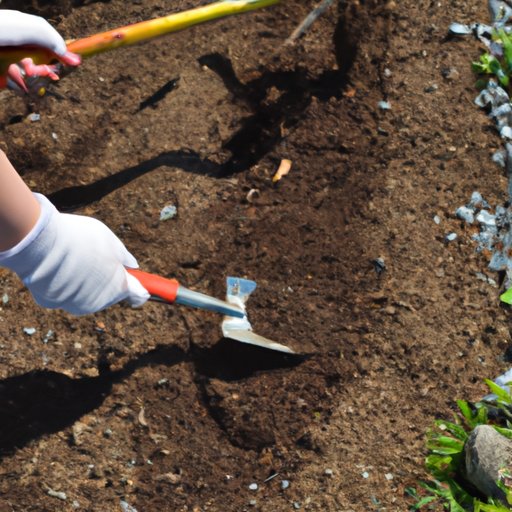
Before planting, you’ll need to prepare the soil. This includes loosening the soil, removing any debris, and adding fertilizer and other soil amendments. If necessary, you can also test the pH levels of the soil and adjust them accordingly. Once you’ve prepared the soil, you’re ready to start planting.
Planting and Care Instructions
When planting your garden, be sure to follow the instructions on the plant labels. This will help ensure that your plants get the proper amount of light, water, and nutrients. Once your plants are established, make sure to water them regularly, fertilize them when needed, and remove any weeds or pests as soon as possible.
What You Need to Know Before Starting a Garden from Scratch
Before starting a garden from scratch, there are a few things you should know. Understanding climate and soil conditions, knowing your space limitations, and researching different types of plants are all important steps in creating a successful garden.
Understanding Climate and Soil Conditions
It’s important to understand the climate and soil conditions in your area before starting a garden. Different plants have different needs, and some may not thrive in certain climates or soil types. Research the climate and soil conditions in your area and choose plants that are well-suited to those conditions.
Knowing Your Space Limitations
Before starting a garden, it’s important to assess your space limitations. Consider factors such as the size of your yard, the amount of sunlight available, and any restrictions on the type of plants you can grow. This will help you determine the size and type of garden that will work best for your space.
Researching Different Types of Plants
Once you’ve assessed your space limitations, it’s time to start researching different types of plants. Consider factors such as growth rate, bloom time, and hardiness. Researching different types of plants will help you choose the ones that are best suited to your climate and your skill level.

Tips for Selecting the Best Location for Your Garden
When selecting the best location for your garden, there are a few key factors to consider. Here are some tips to help you find the perfect spot for your garden:
Consider Sun Exposure
When selecting the best location for your garden, it’s important to consider sun exposure. Most vegetables and flowers need at least six hours of full sun each day. If possible, choose a spot that gets ample sunlight throughout the day.
Factor in Accessibility
When selecting the best location for your garden, it’s important to factor in accessibility. Choose a spot that is easily accessible so that you can tend to your garden regularly. If possible, choose a spot that is close to a water source so that you don’t have to carry heavy watering cans.
Analyze the Soil Quality
Before selecting the best location for your garden, it’s important to analyze the soil quality. Test the soil and make sure it’s suitable for gardening. If necessary, you can amend the soil with organic compost or other soil amendments.

How to Choose the Right Plants for Your Garden
When choosing plants for your garden, there are a few key factors to consider. Here are some tips to help you select the right plants for your garden:
Choose Plants that are Suited to Your Climate
When selecting plants for your garden, it’s important to choose ones that are well-suited to your climate. Research different types of plants that are native to your area and choose ones that will thrive in your climate.
Determine the Right Plant Size
When selecting plants for your garden, it’s important to determine the right plant size. Consider factors such as the size of your garden and the amount of space you have available. Choose plants that won’t outgrow their space too quickly.
Select Plants Based on Your Skill Level
When selecting plants for your garden, it’s important to select ones based on your skill level. If you’re a beginner, look for plants that are easy to care for and require minimal maintenance. As your skills improve, you can gradually add more challenging plants to your garden.

Essential Tools and Supplies for a Successful Garden
In order to create a successful garden, it’s important to have the right tools and supplies. Here are some essential items you’ll need to get started:
Basic Gardening Tools
You’ll need a few basic gardening tools to get started. This includes a trowel, shovel, rake, hoe, pruning shears, and gloves. Having these tools on hand will make it easier to tend to your garden.
Fertilizers and Soil Amendments
Fertilizers and soil amendments can help ensure that your plants get the nutrients they need to thrive. Choose organic fertilizers and soil amendments whenever possible.
Irrigation System
An irrigation system can help you keep your garden properly watered. Invest in a good quality irrigation system to ensure that your plants get the water they need to stay healthy and productive.
Conclusion
Starting a garden from scratch can be a rewarding and enjoyable experience. With the right guidance and preparation, you can create a beautiful and productive garden. Follow the steps outlined in this guide and you’ll be well on your way to creating a successful garden.
(Note: Is this article not meeting your expectations? Do you have knowledge or insights to share? Unlock new opportunities and expand your reach by joining our authors team. Click Registration to join us and share your expertise with our readers.)