

Introduction
Freight trucking is a profitable industry that requires a great deal of planning and consideration. Starting a freight trucking business can be overwhelming, but with the right knowledge and resources, it can be a successful venture. This guide will provide an overview of the freight trucking industry, explain the necessary steps to starting a freight trucking business, and discuss the potential market opportunities and challenges.
Overview of the Freight Trucking Industry
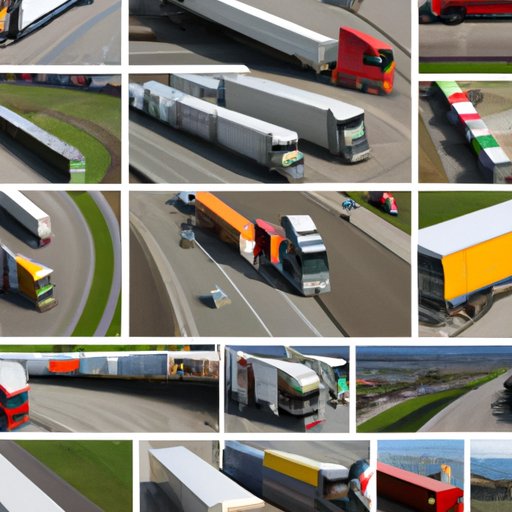
The freight trucking industry is an integral part of the American economy, transporting goods and materials across the country. According to the Bureau of Labor Statistics, there are over 1 million truckers employed in the United States, and they account for over 70% of all domestic freight tonnage. The industry is highly regulated and requires specialized skills and knowledge. Truckers must have the proper licensing and insurance, as well as a thorough understanding of the regulations and laws governing the industry.
Reasons to Start a Freight Trucking Business
Starting a freight trucking business can be a lucrative endeavor. With the right resources, you can become a successful entrepreneur with a growing business. There are several benefits to starting a freight trucking business, including:
- Generating a steady income
- Providing an essential service to businesses and individuals
- Flexible hours and schedule
- Opportunity to work independently
- Potential for growth and expansion
Outline the Steps of Starting a Freight Trucking Business
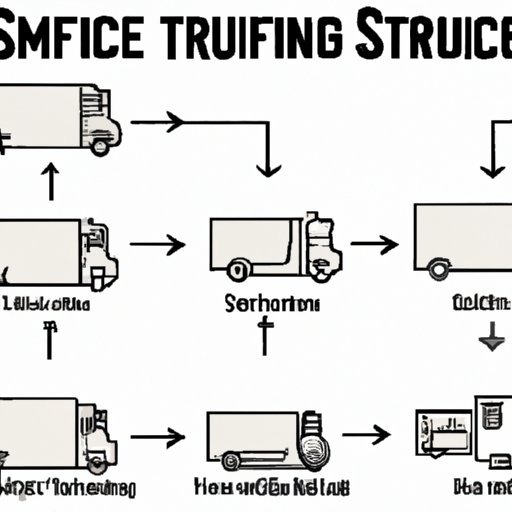
Starting a freight trucking business requires careful planning and consideration. To ensure success, it is important to take the following steps:
Research Regulations and Requirements
Before you can begin operating a freight trucking business, you must familiarize yourself with the regulations and requirements of the industry. This includes federal and state licensing requirements, safety regulations, and insurance requirements. You should also research the types of services you plan to offer and the equipment you will need. Knowing these details ahead of time will help you create a more detailed business plan.
Develop a Business Plan
Creating a business plan is an essential step in starting a freight trucking business. Your business plan should include a detailed description of your business model, your target markets, and your financial projections. It should also include a detailed marketing strategy that outlines how you plan to attract and retain customers. A well-developed business plan will help you secure financing, set realistic goals, and stay organized.
Acquire Licenses and Insurance
Once you have researched the regulations and requirements, you must acquire the necessary licenses and insurance to legally operate your freight trucking business. You will need a commercial driver’s license (CDL) and other certifications, depending on the type of services you plan to offer. You will also need to purchase liability insurance, cargo insurance, and other types of coverage to protect your business and assets.
Get Financing for Trucks and Equipment
In order to operate a freight trucking business, you will need to obtain financing for trucks and other equipment. This can be done through traditional bank loans, private financing, government grants, or leasing or renting equipment. You should research each option carefully to determine which one is best suited for your needs.
Set Up Operations
Once you have acquired the necessary financing, you will need to set up operations. This includes hiring staff, setting up a dispatch system, and organizing a maintenance program for your trucks. You will also need to establish relationships with shippers, brokers, and other companies in the industry.
Find Customers and Build Relationships
Finding new customers and building relationships is essential for the success of your freight trucking business. You can do this by attending networking events, advertising online, cold calling, and partnering with existing companies. Building strong relationships with customers will help you gain repeat business and referrals.
Monitor Performance and Make Adjustments
As you continue to grow your freight trucking business, it is important to monitor performance and make adjustments as needed. This includes tracking customer feedback, evaluating market trends, and analyzing your financials. Making changes to your business model, pricing structure, and marketing strategies can help you remain competitive and profitable.
Explain the Necessary Licenses and Insurance Needed to Operate
To legally operate a freight trucking business, you must acquire the necessary licenses and insurance. Depending on the type of services you plan to offer, you may need a variety of licenses and permits from both federal and state agencies. You will also need to purchase liability insurance, cargo insurance, and other types of coverage to protect your business and assets.
Federal and State Licensing Requirements
The federal government has established rules and regulations for the freight trucking industry, including safety standards and licensing requirements. In addition, you may need to obtain permits from the state in which you plan to operate. These permits can vary from state to state, so it is important to research the specific requirements in your area.
Types of Insurance Required
In addition to the necessary licenses and permits, you must also purchase the appropriate insurance coverage. Liability insurance is required by law and covers any damages caused by your drivers or vehicles. Cargo insurance is also required and covers any losses or damages incurred during transit. Other types of coverage you may need include workers’ compensation, health insurance, and property damage insurance.

Discuss Financing Options to Acquire Trucks and Other Assets
In order to acquire the necessary trucks and other equipment, you will need to obtain financing. There are several options available, including traditional bank loans, private financing, government grants, and leasing or renting equipment. It is important to research each option to determine which one is best suited for your needs.
Traditional Bank Loans
Traditional bank loans are the most common form of financing for purchasing trucks and other assets. Banks typically require a down payment and collateral, and they may also require a personal guarantee. The interest rate and repayment terms vary depending on the lender and your credit history.
Private Financing
Private financing is another option for acquiring trucks and other assets. Private financiers usually require a lower down payment than banks and offer more flexible repayment terms. However, their interest rates are typically higher than those offered by banks.
Government Grants
The federal government offers grants to small businesses in certain industries, including the freight trucking industry. These grants can be used to purchase trucks and other assets and can help offset the cost of starting a business. However, the application process can be lengthy and competitive.
Leasing or Renting Equipment
Leasing or renting equipment is another option for acquiring trucks and other assets. This allows you to use the equipment without having to pay the full purchase price upfront. Leasing or renting can be a good option if you don’t have the funds to buy the equipment outright, but you should be aware that you will still be responsible for regular maintenance and repairs.
Describe Strategies for Finding Customers and Building Relationships
Finding customers and building relationships is key to the success of your freight trucking business. You can do this by attending networking events, advertising online, cold calling, and partnering with existing companies. Developing a strong network of customers and partners will help you build your business and gain repeat business.
Networking Events
Attending networking events is a great way to meet potential customers and build relationships. These events often have speakers who can provide valuable insights into the industry and help you make connections with other entrepreneurs. Additionally, many events offer workshops and seminars that can provide valuable information and resources.
Online Advertising
Advertising online is an effective way to reach potential customers. You can use social media, email campaigns, pay-per-click ads, and other digital marketing tactics to promote your services. It is important to develop a clear message and track the results of your campaigns to ensure you are reaching your target audience.
Cold Calling
Cold calling is an old-fashioned but effective way to find customers. When making calls, be sure to introduce yourself and explain your services in detail. Ask questions to get to know the customer and show them you are interested in their business. Be persistent and follow up regularly to ensure you remain top of mind.
Partnering with Existing Companies
Partnering with existing companies is another way to find customers and build relationships. Look for companies that complement your services and offer to partner with them. This could mean providing discounts to their customers or offering exclusive services. Establishing partnerships with other companies can help you expand your customer base.

Analyze the Potential Market Opportunities and Challenges
When starting a freight trucking business, it is important to understand the potential market opportunities and challenges. Identifying target markets, understanding market trends, and mitigating risk factors can help you stay competitive and profitable.
Identifying Target Markets
Identifying target markets is essential for the success of your business. You should consider the type of services you plan to offer, the geographic area you plan to serve, and the type of customers you want to attract. Knowing your target markets will help you create a more effective marketing strategy.
Understanding Market Trends
It is also important to stay informed of market trends in order to remain competitive. Researching industry news, analyzing customer feedback, and tracking competitor data can help you identify trends and adjust your strategies accordingly.
Mitigating Risk Factors
Risk factors such as fuel prices, road conditions, and weather can have a major impact on your business. It is important to have contingency plans in place to mitigate these risks and ensure you can continue to operate smoothly. Planning ahead and staying informed of potential risks can help you avoid costly mistakes.
Conclusion
Starting a freight trucking business can be a rewarding and lucrative endeavor. It requires careful planning and consideration, and it is important to take the necessary steps to ensure success. This guide has outlined the regulations and requirements, licenses and insurance needed to operate, financing options, strategies for finding customers and building relationships, and potential market opportunities and challenges. With the right resources and knowledge, you can become a successful entrepreneur with a thriving freight trucking business.
Summary of Key Points
- Research regulations and requirements
- Develop a business plan
- Acquire licenses and insurance
- Obtain financing for trucks and equipment
- Set up operations
- Find customers and build relationships
- Monitor performance and make adjustments
Final Thoughts
Starting a freight trucking business can be a rewarding and profitable endeavor. It requires dedication and hard work, but with the right resources and knowledge, you can become a successful entrepreneur. This guide has provided an overview of the industry, outlined the steps of starting a freight trucking business, and discussed the necessary licenses and insurance, financing options, strategies for finding customers, and potential market opportunities and challenges. With the right planning and preparation, you can become a successful business owner and create a thriving freight trucking business.
(Note: Is this article not meeting your expectations? Do you have knowledge or insights to share? Unlock new opportunities and expand your reach by joining our authors team. Click Registration to join us and share your expertise with our readers.)