

Introduction
Starting a flooring business can be an excellent way to earn a living while providing customers with quality products and services. Whether you’re installing hardwood, laminate, carpet, or tile, there is always a need for knowledgeable and experienced floor installers. In this article, we will provide an overview of how to start a flooring business, from developing a business plan to securing financing and purchasing equipment and supplies.
Definition of Flooring Business
A flooring business is a company that sells and installs flooring materials such as hardwood, laminate, carpet, and tile. These businesses typically source their materials from suppliers, who may also offer installation services. Flooring businesses can also specialize in specific types of flooring, such as hardwood or laminate.
Benefits of Starting a Flooring Business
There are several advantages to starting a flooring business. First, the demand for flooring services is always high, so it’s a reliable source of income. Additionally, the startup costs for a flooring business are relatively low compared to other types of businesses. Finally, since most flooring businesses are small operations, they offer more flexibility and autonomy than larger companies.

Develop a Business Plan for Your Flooring Business
Creating a business plan is one of the most important steps in starting a flooring business. A well-crafted business plan should include your goals and objectives, target market, financial plan, and any other relevant information. It should also provide a roadmap for the future of the business, including potential expansion plans.
Establish Goals and Objectives
The first step in developing a business plan is to establish your goals and objectives. Consider what you want to accomplish in the short-term and long-term. For example, do you want to focus on residential or commercial projects? Do you want to specialize in certain types of flooring? Are there any particular markets you want to target? Answering these questions will help you create a clear vision for your business.
Define Target Market
The next step is to define your target market. Who are the people or businesses that are most likely to need your services? Research the demographics of your local area to determine who is most likely to buy your product or services. You can also use online tools to analyze customer behavior and identify potential customers.
Outline Financial Plan
The financial plan of your business plan should include a budget for startup costs, operating costs, and marketing expenses. It should also include projections for revenue and profit. The financial plan is essential for obtaining financing and running a profitable business.
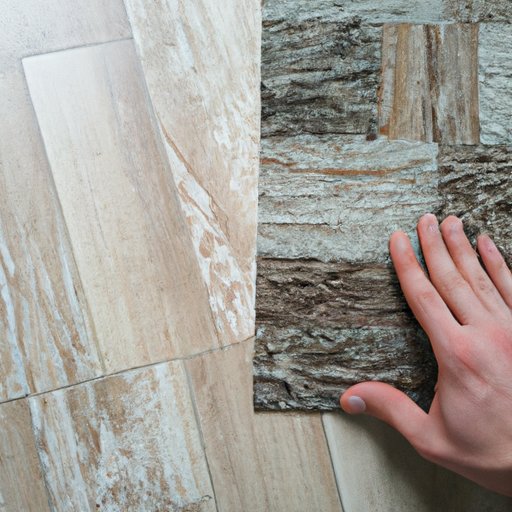
Research the Flooring Market and Your Competitors
Before starting your business, it’s important to understand the current trends in the flooring industry and the competition. Analyzing the market and competitors will help you identify opportunities and potential challenges.
Analyze Current Trends in the Industry
Research the current trends in the flooring industry. What types of flooring are most popular? What new technologies or materials are being used? How have prices changed over time? Answering these questions will help you make informed decisions about your business.
Identify Your Competitors and Their Strengths/Weaknesses
It’s also important to identify your competitors and assess their strengths and weaknesses. Research their pricing, services, and customer reviews. Knowing your competitors will help you differentiate your business and develop a competitive edge.
Choose a Location for Your Business
Finding the right location for your business is key. Consider zoning laws, available resources, and the cost of leasing or purchasing a space. Look for a location that is convenient for customers, and consider the impact of having a storefront versus operating solely online.
Consider Zoning Laws
Before choosing a location, research local zoning laws to ensure the property is zoned for the type of business you plan to operate. Zoning regulations vary from city to city, so be sure to check with your local government.
Assess Available Resources
When selecting a location for your business, consider the resources available. Is there sufficient parking? Are there nearby shops or restaurants that could draw customers to your business? Are there any public transportation options? Assessing the resources available in a given area can help you make an informed decision.
Determine the Cost of Leasing or Purchasing a Space
Finally, you’ll need to determine the cost of leasing or purchasing a space. Consider the size of the space you need, the length of the lease, and any other factors that could affect the cost. Compare prices between multiple locations to get the best deal.
Acquire Licenses and Permits
Most businesses require licenses and permits to operate legally. Depending on the type of business you plan to run and your location, you may need to obtain a variety of licenses and permits. Learn about local, state, and federal regulations to ensure you comply with all applicable laws.

Secure Funding for Your Business
Once you have developed a business plan, identified a location, and obtained the necessary licenses and permits, you’ll need to secure funding for your business. There are a number of financing options available, including bank loans, angel investors, and government grants. Utilize these resources to get the capital you need to get started.
Purchase Equipment and Supplies
After securing funding, you’ll need to purchase the necessary equipment and supplies. Research and compare pricing to find the best deals. Determine what is needed to get started and purchase the essentials first, such as a truck, tools, and flooring materials.
Conclusion
Starting a flooring business can be a lucrative opportunity. By following the steps outlined in this article, you can develop a successful business plan, find the right location, secure financing, and purchase the necessary equipment and supplies. With the right approach and dedication, you can build a thriving flooring business.
(Note: Is this article not meeting your expectations? Do you have knowledge or insights to share? Unlock new opportunities and expand your reach by joining our authors team. Click Registration to join us and share your expertise with our readers.)