
Introduction
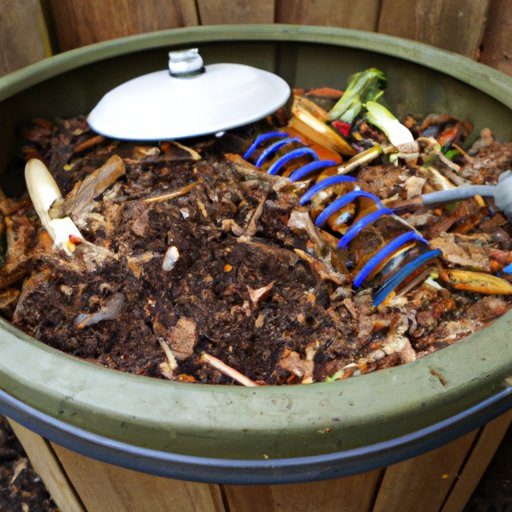
Composting is an important part of reducing our environmental impact. It helps to reduce the amount of waste that goes into landfills and creates nutrient-rich soil for gardening or other outdoor activities. If you’re looking for an easy way to start composting, then a compost bucket is a great solution.
Having a compost bucket has many benefits. It can help to reduce your waste, create nutrient-rich soil for your garden, and even save you money on fertilizer. In this article, we’ll take a look at how to start a compost bucket, what materials are suitable for composting, and how to properly care for and maintain it.
Step-by-Step Guide for Starting a Compost Bucket
The first step in setting up a compost bucket is to choose the right type. There are several different types available, so it’s important to consider size and capacity when making your selection. You’ll also want to think about where you plan to place the bucket and if there are any restrictions in terms of space or location.
Once you’ve chosen the right type of compost bucket, you’ll need to set it up. This includes preparing the soil, adding compostable materials, and ensuring proper ventilation. Here are some tips to help you get started:
- Choose a spot that is close to a water source and gets plenty of sunlight.
- Add a layer of soil or compost to the bottom of the bucket before adding compostable materials.
- Start by adding layers of green and brown materials, such as grass clippings, leaves, food scraps, and paper products.
- Make sure to mix the material thoroughly and keep the compost moist.

Explaining What Materials are Suitable for the Compost Bucket
When adding materials to your compost bucket, it’s important to understand which materials are suitable for composting. Generally speaking, you should aim for a mix of “green” materials (such as grass clippings, fruit and vegetable scraps, coffee grounds, and eggshells) and “brown” materials (such as leaves, twigs, paper products, and sawdust). The ratio of green to brown materials should be roughly 2:1.
Demonstrating How to Properly Care for and Maintain the Compost Bucket
Once you’ve set up your compost bucket, you’ll need to maintain it properly in order to ensure that it continues to produce nutrient-rich soil. Here are some tips for proper care and maintenance:
- Maintain the temperature of the compost by adding more green materials if it’s too cold or adding more brown materials if it’s too hot.
- Add water as needed to keep the compost moist but not soggy.
- Turn the compost regularly to aerate it and keep it from becoming compacted.
- If you notice any unwanted pests, such as ants or rats, take steps to eliminate them.
Conclusion
Starting a compost bucket can be a great way to reduce your waste and help the environment. By following the steps outlined above, you can easily get started with composting and begin reaping the rewards. Remember to choose the right type of bucket, add the correct mix of green and brown materials, and properly maintain it to ensure that it continues to produce nutrient-rich soil.
The benefits of having a compost bucket are numerous. Not only will you be reducing your waste, but you’ll also be creating nutrient-rich soil for your garden. Plus, you’ll be saving money on fertilizer! So why not give composting a try?
(Note: Is this article not meeting your expectations? Do you have knowledge or insights to share? Unlock new opportunities and expand your reach by joining our authors team. Click Registration to join us and share your expertise with our readers.)