
Introduction
Composting is a simple and effective way to reduce household waste, create nutrient-rich soil for your garden, and help the environment. It is a natural process that involves breaking down organic materials through decomposition. This article will provide a comprehensive guide on how to start a compost and discuss what materials can be used, different types of composters, and how to avoid common composting problems.
Explain the Process of Composting
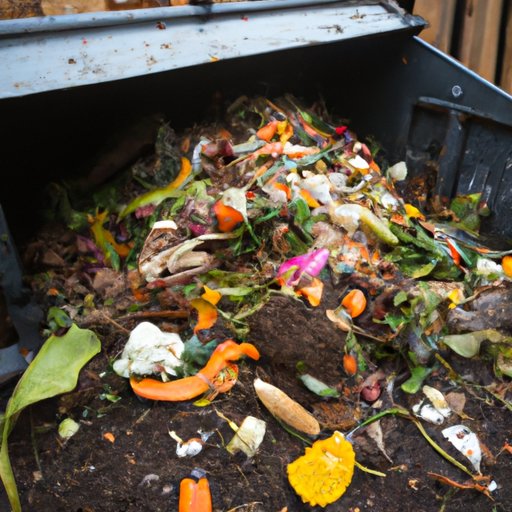
In order to start a compost, you need to understand the basic process of composting. According to the Environmental Protection Agency (EPA), “Composting is a managed process of decomposing and recycling organic materials into a soil-like product known as compost.” The process of composting starts with gathering organic materials such as leaves, grass clippings, food scraps, and other yard waste. These materials are then placed in a compost bin or pile, where they are broken down by microorganisms into a nutrient-rich soil amendment. Composting is a slow process and it can take anywhere from two to six months for the material to fully decompose.

Discuss What Materials Can Be Used for Composting
When starting a compost, it is important to know what materials can be used. According to the EPA, “Organic materials that can be composted include yard trimmings, food scraps, manures, and paper products.” Common materials used in composting include leaves, grass clippings, food scraps, coffee grounds, eggshells, and paper products. It is important to note that certain materials should not be added to your compost, such as meats, fats, bones, dairy products, pet waste, and diseased plants.

Provide Tips on How to Set Up a Compost Bin
Once you have gathered the necessary materials, you need to set up a compost bin. The type of bin you choose depends on your needs and budget. There are several types of bins available, including tumblers, stationary bins, and worm composters. Tumblers are the most expensive option, but offer the convenience of being able to turn the compost with minimal effort. Stationary bins are the most common type of compost bin and are designed to hold large amounts of material. Worm composters are ideal for small spaces and are easy to maintain.
Different Types of Composters
In addition to different types of bins, there are also different methods of composting. Hot composting is one of the most popular methods and requires a combination of green and brown materials, such as leaves and kitchen scraps. Cold composting is a slower process that does not require as much maintenance. Vermicomposting is another popular method and uses worms to break down the materials. Finally, sheet composting is a no-turn method that involves layering materials directly on the ground.

Share Ideas on Where to Place a Compost Bin
When deciding where to place your compost bin, it is important to consider the climate and location. According to the University of Illinois Extension, “The best locations for a compost bin are in a sunny spot with good air circulation, away from trees and shrubs, and near a water source.” Compost bins should also be placed on a level surface that is not prone to flooding or standing water.
Common Composting Problems
Composting can present some challenges, so it is important to be aware of the potential problems and how to address them. According to the University of Wisconsin-Madison, “Common problems that can occur during composting are odors, pests, and slow composting.” To avoid odors, make sure to mix wet and dry materials and turn the pile regularly. To prevent pests, keep the compost bin covered and away from any sources of food. To speed up the composting process, add more brown materials and make sure the pile is moist.
Conclusion
Composting is a great way to reduce household waste, create nutrient-rich soil for your garden, and help the environment. By understanding the basics of composting, selecting the right materials, setting up a compost bin, and troubleshooting any issues, you can easily start a compost and reap the rewards.
(Note: Is this article not meeting your expectations? Do you have knowledge or insights to share? Unlock new opportunities and expand your reach by joining our authors team. Click Registration to join us and share your expertise with our readers.)