
Introduction
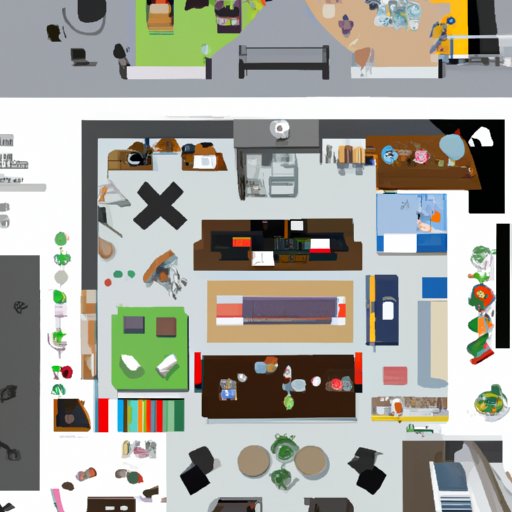
Interior design is a field that involves creating beautiful, functional spaces for commercial, residential, and hospitality clients. It requires more than just an eye for aesthetics – it also involves understanding how people use and interact with their environment. The field includes a variety of specialties, from traditional residential design to office space planning and restaurant design. Those who want to start a career in interior design must have a strong creative vision, as well as knowledge of building codes, safety regulations, and other technical aspects of the job.
A career in interior design can be rewarding and lucrative. It provides the opportunity to work with interesting people and create unique spaces. Plus, you get to make your mark on the world and see your designs come to life.

Researching the Field of Interior Design
The first step in starting a career in interior design is to do your research. Learn about the different areas of expertise and what each entails. Talk to industry professionals to get insight into the day-to-day operations of the profession. Also, explore educational options and find out what type of degree or certification you need to become an interior designer.
Understanding the Different Areas of Expertise
Interior design is a broad field with many different areas of expertise. Some of the most popular include residential design, office design, retail design, and hospitality design. Each area requires a different set of skills and knowledge. For example, those specializing in residential design must understand the needs and preferences of homeowners, while those specializing in office design must be well-versed in ergonomics and office layout.
Exploring Educational Options
Interior design is a highly competitive field. To stand out from the crowd, you’ll need to have a solid education. There are several routes you can take, from pursuing a college degree to taking online classes or attending seminars. An interior design degree can open up a lot of doors and give you the skills and knowledge you need to succeed. However, if you don’t have the time or money to commit to a degree program, there are still plenty of options.
Developing a Portfolio
Having a portfolio is essential when starting a career in interior design. It showcases your design skills and style and gives potential employers and clients an idea of what you can do. A portfolio should include photos of your projects, sketches, drawings, and even 3D renderings.
Showcasing Your Design Skills and Style
Your portfolio should reflect your design aesthetic and showcase the types of projects you’re capable of completing. Try to include a variety of projects that demonstrate your range, such as residential, commercial, and hospitality designs. Make sure to include detailed descriptions of each project, as well as any client feedback you may have received.
Tips for Creating an Effective Portfolio
When creating a portfolio, it’s important to make sure it looks professional and polished. Here are a few tips to keep in mind:
- Keep it organized – divide your portfolio into sections for each type of project.
- Include high-quality photos – make sure the photos look sharp and clear.
- Be specific – provide details about each project and explain why it was successful.
- Update regularly – add new projects and update existing ones as necessary.

Pursuing a Degree in Interior Design
If you want to become a professional interior designer, you’ll need to pursue a degree in the field. There are several types of degrees available, including associate, bachelor’s, and master’s degrees. Each degree has its own set of requirements, so it’s important to research which one is right for you.
Types of Degrees Available
The most common type of degree for interior designers is a Bachelor of Fine Arts (BFA) in Interior Design. This four-year degree program covers the fundamentals of interior design, such as design principles, drafting techniques, and materials selection. Other degrees that may be applicable include a Bachelor of Science (BS) in Interior Design and a Master of Fine Arts (MFA) in Interior Design.
Benefits of Having a Degree
Having a degree in interior design is beneficial in several ways. It provides you with the skills and knowledge needed to succeed in the field. It also shows potential employers and clients that you’re serious about your craft. Plus, having a degree often leads to higher salaries and more career opportunities.
Networking with Professionals
Networking is an important part of starting a career in interior design. It allows you to make connections with professionals in the field and get advice from experienced designers.
Finding Networking Opportunities
There are several ways to find networking opportunities. You can attend industry events, such as conferences and trade shows. You can also join professional organizations, such as the American Society of Interior Designers (ASID). Additionally, you can reach out to professionals in the field via social media or by attending local design meetups.
Making Connections
Once you’ve identified networking opportunities, it’s important to make the most of them. Reach out to professionals in the field and introduce yourself. Ask questions and listen to their advice. Most importantly, be sure to follow up and stay in touch. These relationships can be invaluable in launching your career.

Taking Classes or Attending Seminars
Taking classes or attending seminars is another great way to get started in interior design. Not only will you learn valuable information, but you’ll also have the opportunity to network and make connections with other professionals.
Staying Current on Trends and Techniques
Classes and seminars are a great way to stay current on trends and techniques. They provide a comprehensive overview of the field and can help you hone your skills. Plus, they’re a great way to build your portfolio and get feedback from experienced professionals.
Locating Classes and Seminars
You can find classes and seminars online or through professional organizations. Search for courses related to interior design and contact the instructor or organization to inquire about enrollment. You can also search for local design events and workshops and attend them in person.
Joining Professional Organizations
Joining professional organizations is an excellent way to get connected with other professionals in the field. These organizations offer networking opportunities, educational resources, and exclusive discounts on products and services.
Benefits of Joining Professional Organizations
Professional organizations provide a wealth of benefits for interior designers. They offer access to industry news and resources, as well as discounts on products and services. Many organizations also host events and seminars, which are great for networking and gaining experience. Additionally, some organizations offer certification programs, which can help boost your resume and make you more attractive to potential employers.
Finding Organizations Related to Interior Design
There are several organizations that cater to interior designers. The American Society of Interior Designers (ASID) is the largest and most well-known organization in the field. Other organizations include the International Interior Design Association (IIDA), the Interior Design Society (IDS), and the National Kitchen and Bath Association (NKBA).
Seeking Internships or Volunteer Opportunities
Internships and volunteer opportunities are a great way to gain experience in the field. Working with experienced professionals can give you valuable insight into the industry and provide you with hands-on experience.
Gaining Experience in the Field
Internships and volunteer opportunities allow you to gain experience in the field. Working with experienced professionals can help you hone your skills and learn the nuances of the industry. Plus, it’s a great way to network and make connections.
Identifying Internships and Volunteer Opportunities
There are several ways to find internships and volunteer opportunities. Contact local design firms and ask if they have any openings. You can also search online or inquire at your college or university. Additionally, many professional organizations offer internships or mentorship programs.
Conclusion
Starting a career in interior design requires dedication, research, and an understanding of the different areas of expertise. Explore educational options, develop a portfolio, pursue a degree, and network with professionals to get started. With hard work and determination, you can turn your passion for interior design into a successful career.
(Note: Is this article not meeting your expectations? Do you have knowledge or insights to share? Unlock new opportunities and expand your reach by joining our authors team. Click Registration to join us and share your expertise with our readers.)