
Introduction
Swollen feet can be an incredibly uncomfortable side effect of traveling, whether it’s a long car ride, plane flight or even just walking around a new city. Swelling occurs when excess fluid accumulates in the body’s tissues, causing them to become inflamed and painful. It can be caused by anything from sitting in one position for too long to being dehydrated or having an underlying health condition. Fortunately, there are a few simple steps you can take to reduce the swelling and get back to enjoying your travels.
Wear Compression Socks
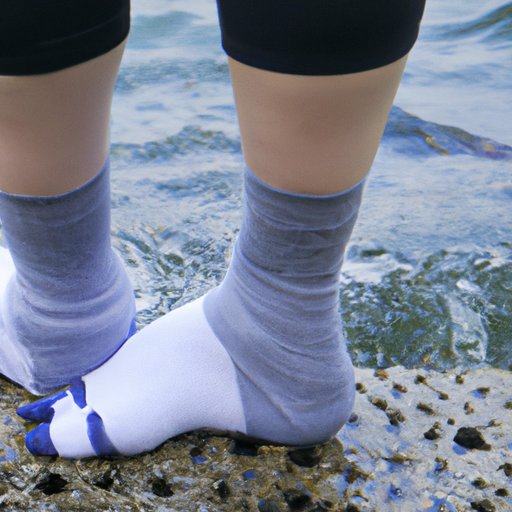
Compression socks come in a variety of styles and can provide relief from swollen feet. They work by gently squeezing your legs, which helps to improve circulation and reduce swelling. The pressure also helps to relieve other symptoms such as fatigue, heaviness and discomfort. In addition, they can help to prevent further swelling by providing extra support to your legs and feet.
When choosing a pair of compression socks, look for ones that fit snugly but comfortably and are made from breathable material. Make sure to measure your feet before buying, as the wrong size can cause more harm than good. If you’re unsure which size to choose, consult with a doctor or pharmacist for advice.
Elevate Feet
Keeping your feet elevated above your heart can help to reduce the swelling. This allows gravity to drain the excess fluid away from your feet and back into your body. Try to do this whenever possible, such as while reading a book or watching television. You can also prop up your feet on a pillow while sleeping. Doing this regularly can help to reduce the swelling significantly.
If you’re on a plane or train, try to find a seat with extra legroom so you can stretch out your legs and keep them elevated. If that’s not possible, try to elevate your feet as much as you can without disrupting other passengers. For example, you can put your feet up on the armrest or place a pillow on the floor and rest them on top of it.
Drink Plenty of Water
Staying hydrated is essential for reducing swollen feet. When your body becomes dehydrated, it retains more fluid, which can lead to swelling. Aim to drink at least eight glasses of water a day while traveling, and avoid sugary drinks and alcohol. Also, make sure to drink plenty of fluids throughout the day – don’t wait until you feel thirsty.
If you’re taking a long journey, consider bringing a reusable water bottle and filling it up whenever you can. This way, you’ll always have access to fresh water and won’t have to rely on buying bottled water. Additionally, if you’re going to be out in the sun for extended periods, make sure to drink even more water to stay hydrated.
Move Around Regularly
Sitting in the same position for too long can cause your feet to swell, so make sure to move around every hour or so. Take regular breaks to walk around, stretch your legs and move your ankles in circles. This helps to increase circulation and reduce swelling. You can also do some simple exercises in your seat, such as lifting your legs up and down or pointing and flexing your toes.
If you’re on a plane, try to get up and move around the cabin at least once every couple of hours. If you’re unable to leave your seat, you can still do some simple exercises in your seat to help reduce the swelling. Additionally, make sure to stand up and stretch your legs during any stops or layovers.
Avoid Standing For Long Periods
Standing for long periods of time can cause your feet to swell, so it’s important to limit your standing time as much as possible. If you know you’ll be standing for a while, wear comfortable shoes with good arch support. Additionally, try to shift your weight from one foot to the other to reduce the strain on your feet.
If you’re waiting in line or stuck in traffic, take regular breaks to sit down and rest your feet. You can also try to do some simple exercises, such as rotating your ankles or stretching your calves. This will help to reduce the swelling and make standing more comfortable.
Conclusion
Swollen feet can be an uncomfortable side effect of traveling, but there are several ways to reduce the swelling. Wearing compression socks, elevating your feet, drinking plenty of water and moving around regularly can all help to reduce the swelling. Additionally, try to limit your standing time as much as possible. By following these tips, you’ll be able to enjoy your travels without the discomfort of swollen feet.
(Note: Is this article not meeting your expectations? Do you have knowledge or insights to share? Unlock new opportunities and expand your reach by joining our authors team. Click Registration to join us and share your expertise with our readers.)