
Introduction
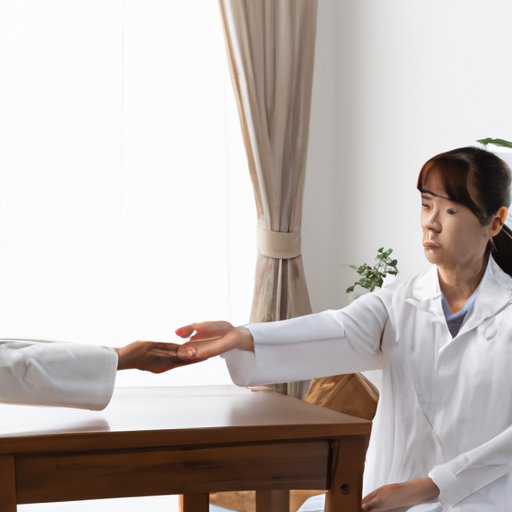
Home health care refers to the various medical and non-medical services offered to individuals who may need assistance with their daily activities at home due to illness, injury, or aging. This type of care allows individuals to receive quality and personalized healthcare, emotional support, and attention in the comfort of their own homes. Private home health care is becoming increasingly popular because of its convenience, flexibility, and affordability. In this article, we will provide you with a comprehensive guide on how to provide effective private home health care for your loved ones.
“10 Tips for Providing Effective Home Health Care for Your Loved Ones”
Providing quality home health care requires knowledge and compassion. Here are ten tips to help you provide effective care:
1. Regularly check on them
Check on your loved ones regularly, and make sure to promptly address any emerging issues. This will help you to track their progress and make any necessary changes to the care plan that you have developed for them.
2. Create a routine
Create a routine that includes regular times for medication administration, meals, naps and other important activities. This will help your loved one to feel more settled and in control of their life.
3. Ensure proper hygiene
Help your loved ones maintain good hygiene practices. This includes regular bathing, grooming, and oral care. Proper hygiene also helps to prevent the spread of infections and promote overall good health.
4. Provide a healthy diet
Ensure that your loved ones are getting an adequate and balanced diet consisting of all the necessary nutrients. Consult with a dietician or a health care professional if you have any concerns about their dietary needs.
5. Follow medication instructions
Ensure that your loved ones take their medications as prescribed and according to the instructions provided by their health care professional.
6. Assist with mobility
Assist your loved one with getting in and out of bed or a chair, walking or moving around the house, or using mobility aids such as crutches or a wheelchair if necessary.
7. Offer emotional support
Provide emotional support by listening to their concerns, offering encouragement, and engaging them in activities that they enjoy and find meaningful. This helps to promote their overall well-being and can help to prevent depression or anxiety.
8. Ensure safety
Ensure that their living environment is free from hazards such as clutter or loose rugs that can be tripping hazards. Install safety devices as needed such as grab bars or handrails to help prevent falls or injuries.
9. Monitor overall health
Monitor your loved one’s overall health by taking note of any changes in mood, appetite, or behavior. If you observe any unusual symptoms or changes, consult with their health care provider immediately.
10. Collaborate with health care professionals
Collaborate with the health care professionals involved in the care of your loved one such as doctors, nurses, social workers, or therapists. This will help to ensure that the care provided is comprehensive and coordinated.
“The Benefits of Private Home Health Care: A Guide for Caregivers”
Private home health care has numerous benefits, including:
Convenience and flexibility
Private home health care allows your loved one to receive quality care in the comfort of their own home without having to move to a healthcare facility.
Personalized care and attention
A private home health care arrangement allows your loved one to receive individualized care and attention tailored to their specific needs and preferences.
Reduced risk of infections
A home-based care arrangement provides a lower risk of exposure to infections or other illnesses compared to healthcare facilities.
More affordable compared to healthcare facilities
Providing private home health care is often more affordable than long-term hospital stays or nursing home care, especially if your loved one’s needs are not extensive.
Opportunity to bond and connect with loved ones
Providing private home health care provides a chance for you to bond and connect with your loved ones while providing them with quality care and support.
“Creating a Safe and Comfortable Home Health Care Environment”
Here are some tips to help you create a safe and comfortable home health care environment:
Proper lighting and heating
Ensure that the home has adequate lighting and heating to provide a comfortable and safe environment for your loved one.
Eliminating tripping hazards
Remove any items that may present a tripping hazard such as loose rugs or cluttered pathways. Keep floors clean and dry to prevent slipping.
Installing safety devices
Install safety devices such as grab bars, handrails, or non-slip mats in areas such as the bathroom or near stairs to help prevent falls or injuries.
Maintaining cleanliness
Ensure that the home is kept clean and free from clutter. This will help to prevent the spread of infections and promote overall good health.
Making the home accessible for mobility aids
If your loved one requires mobility aids such as crutches or a wheelchair, ensure that the home is accessible by making the necessary modifications such as installing ramp access.
“How to Choose the Right Professional for Private Home Health Care”
Choosing the right professional for private home health care can be challenging. Here are some tips to help you make the right choice:
Assess your loved one’s needs
Determine what level of care your loved one needs and the qualifications that the caregiver must have to provide adequate care.
Conduct thorough research on potential candidates
Collect information on potential candidates from reputable sources such as healthcare agencies, websites, or professional organizations.
Inquire about licenses and certifications
Ask potential candidates about their licenses and certification in the healthcare field that qualifies them to provide specialized care to your loved one.
Check references
Verify the credentials of potential candidates by checking their references and asking for feedback from their previous patients and colleagues.
Evaluate communication and interpersonal skills
Provide opportunities for potential candidates to interact with your loved one and observe their communication and interpersonal skills before making a final decision.
“Understanding the Role of Communication in Private Home Health Care”
Effective communication is an integral part of providing quality private home health care. Here are some useful tips:
Importance of clear and effective communication
Clear and effective communication helps to build trust and understanding between the caregiver, patient, and family members.
Active listening
Active listening involves paying attention to the patient’s verbal and non-verbal cues, clarifying any misunderstandings, and acknowledging their feelings and concerns.
Regular updates with family members
Regularly updating family members on the progress of the patient’s care helps to address any concerns and fosters a sense of collaboration and involvement.
Overcoming language barriers
If language barriers exist, engage the services of an interpreter or use translation services to ensure effective communication.
Useful tips for effective communication
Use clear and simple language, avoid medical jargon, and provide written instructions or hand-outs to help reinforce key concepts and provide an easy reference guide.
Conclusion
In conclusion, providing quality private home health care for your loved ones requires knowledge, communication, and compassion. With this guide, you can learn how to create a safe and comfortable home health care environment, choose the right professional, and employ ten tips that can help you provide effective private home health care. Remember, if you feel overwhelmed or need additional support, seek out the help of a professional caregiver or health care provider. With the right care and attention, your loved ones can enjoy a high quality of life in the comfort of their own homes.
(Note: Is this article not meeting your expectations? Do you have knowledge or insights to share? Unlock new opportunities and expand your reach by joining our authors team. Click Registration to join us and share your expertise with our readers.)