
Introduction
Taking a road trip can be an incredibly fun and rewarding experience. Whether you’re traveling with family or friends, it’s important to make sure your car is properly prepared before hitting the open road. Neglecting to do so could lead to costly repairs or worse, a dangerous situation. In this guide, we’ll cover the essential steps you need to take in order to properly prepare your car for a road trip.
Check Tire Pressure and Tread Depth
The first thing you should do when preparing your car for a road trip is to check the tire pressure and tread depth. An underinflated tire can cause poor handling, increased fuel consumption, and even tire failure, according to Consumer Reports. To check the tire pressure, use a tire pressure gauge and ensure that each tire is at the recommended pressure listed in your owner’s manual. If you find that one or more of your tires is underinflated, simply fill it up with air until it reaches the proper pressure.
It’s also important to check the tread depth of each tire. Properly inflated tires with adequate tread depth will help improve your vehicle’s traction and handling, as well as provide better braking performance. To check the tread depth, use a ruler or tread depth gauge and measure the grooves in the tire. If the tread depth is below 1/16 of an inch, it’s time to replace the tire.
Change the Oil
Before setting out on a long road trip, it’s a good idea to change the oil in your car. According to the American Automobile Association (AAA), “Oil helps keep your engine clean, lubricated, and cool. It also helps reduce friction between moving parts, which can increase fuel efficiency.” Over time, oil can break down, leaving your engine vulnerable to wear and tear. To ensure your engine stays in top condition, it’s important to change the oil before embarking on a long journey.
When changing the oil, make sure you use the type and grade of oil specified in your owner’s manual. Additionally, you should use a new oil filter, as this will help keep your engine running smoothly. Finally, always dispose of used oil and filters responsibly.
Test All Fluids
In addition to changing the oil, it’s also important to test all other fluids in your car. This includes the brake fluid, power steering fluid, transmission fluid, and coolant. If any of these fluids are low or contaminated, it could cause serious damage to your engine. To test the fluids, use a dipstick or a hydrometer and make sure they are at the correct levels.
If you find that any of the fluids are low or contaminated, it’s best to get them replaced by a professional mechanic. This will help ensure your car runs properly and safely during your road trip.
Replace Wiper Blades
It’s also a good idea to replace your wiper blades before going on a road trip. Over time, wiper blades can become worn out, leading to streaks and smears on the windshield. This can significantly decrease visibility, especially in rainy or snowy conditions. To ensure you have clear visibility during your trip, it’s best to replace your wiper blades before setting out.
Replacing wiper blades is relatively easy and inexpensive. Just make sure you buy the right size and type for your car. Additionally, if you plan on driving through areas with heavy snowfall, it’s a good idea to invest in a set of winter wiper blades.
Stock an Emergency Kit
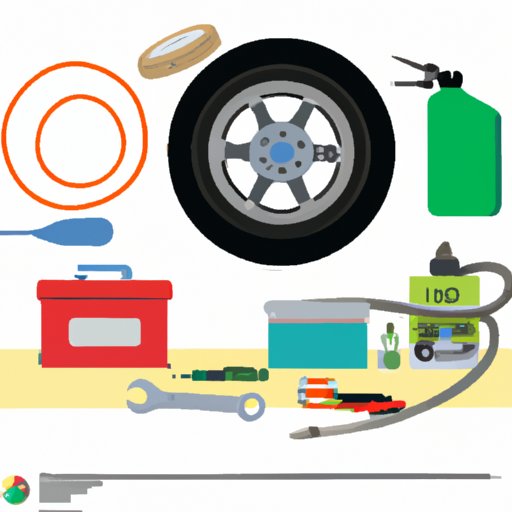
No matter how well you prepare your car for a road trip, there’s always the chance you’ll encounter an unexpected problem. That’s why it’s important to stock an emergency kit in your car. This kit should include items such as a flashlight, jumper cables, a first-aid kit, a tire inflator, a fire extinguisher, and a multi-tool. You should also bring extra food and water, just in case you get stranded in an area without access to amenities.
Make sure to store your emergency kit in an easily accessible place, such as the glove compartment or trunk. This way, you’ll be able to quickly grab the items you need in an emergency.
Ensure Proper Insurance Coverage
Finally, before heading out on a road trip, make sure you have the proper insurance coverage. According to the National Association of Insurance Commissioners, “Having adequate auto insurance coverage is essential for protecting yourself and your passengers from financial loss in the event of an accident.” Make sure you review your policy to ensure you have enough coverage for your trip.
Additionally, some states may require additional coverage for rental cars. If you’re renting a car for your road trip, make sure you understand the insurance requirements for the state you’ll be driving in.
Conclusion
By following the steps outlined in this guide, you can ensure that your car is properly prepared for a road trip. From checking tire pressure and tread depth to stocking an emergency kit, these steps will help you stay safe and avoid costly repairs. Remember, proper car preparation is key to having a successful and enjoyable road trip.
(Note: Is this article not meeting your expectations? Do you have knowledge or insights to share? Unlock new opportunities and expand your reach by joining our authors team. Click Registration to join us and share your expertise with our readers.)