
Introduction
Hawaii is one of the most popular tourist destinations in the world. With its beautiful landscapes, vibrant culture, and wide range of activities and attractions, it’s no wonder why so many people choose to visit this tropical paradise. While it may seem intimidating to plan a trip to Hawaii, it doesn’t have to be. By following a few simple steps and doing some research, you can easily plan an amazing trip to this incredible destination.
Overview of Hawaii
Hawaii is the 50th state of the United States, located in the Pacific Ocean. The state consists of eight main islands and numerous smaller islands, including Kauai, Oahu, Molokai, Lanai, Maui, and Hawaii (the Big Island). Each island has its own unique charm, offering something for everyone. From beautiful beaches and lush rainforests to volcanoes and waterfalls, there’s something for everyone in Hawaii.
Benefits of Planning a Trip to Hawaii
Planning your trip to Hawaii can be a great way to save money and ensure that you get the most out of your vacation. By researching the best times to visit, creating an itinerary, comparing flight costs, looking for accommodation options, familiarizing yourself with Hawaiian culture and customs, planning activities and attractions, and budgeting for food, souvenirs, and other expenses, you can make sure that your trip to Hawaii is enjoyable and stress-free.
Research the Best Times to Visit Hawaii
The best time to visit Hawaii depends on your preferences and budget. Generally, the winter months (December to February) are the busiest and most expensive times to visit, while the summer months (June to August) tend to be less crowded and more affordable. If you’re looking for a more relaxed atmosphere and discounted prices, consider visiting during the shoulder season (March to May or September to November).
Consider Weather and Climate
When researching the best times to visit Hawaii, it’s important to consider the weather and climate. Hawaii has a tropical climate, with warm temperatures year-round. The temperatures rarely dip below 65 degrees Fahrenheit, and the average high temperature is around 85 degrees Fahrenheit. Since the weather is generally pleasant throughout the year, it’s important to consider other factors when deciding when to visit.

Look for Special Deals and Discounts
When planning a trip to Hawaii, it’s important to look for special deals and discounts. Airlines, hotels, and tour companies often offer discounts for certain dates and times, so be sure to do your research and take advantage of any savings opportunities. Additionally, consider signing up for airline and hotel loyalty programs, as they often offer additional savings and rewards.
Create an Itinerary for Your Trip
Creating an itinerary for your trip is a great way to make sure you get the most out of your time in Hawaii. Before booking flights or making reservations, decide how long you will stay and prioritize activities and attractions. Make sure to leave room for spontaneity and unexpected adventures, but also make sure to plan ahead so that you can make the most of your time in Hawaii.

Decide How Long You Will Stay
Before booking flights or making reservations, decide how long you will stay in Hawaii. Depending on the length of your trip, you may want to focus on a single island or explore multiple islands. If you’re staying for a week or longer, consider spending a few days on each island to get a better feel for the different parts of Hawaii.
Prioritize Activities and Attractions
Once you’ve decided how long you’ll be staying in Hawaii, it’s time to start prioritizing activities and attractions. Do some research to find out what each island has to offer, and make a list of places you’d like to visit. This will help you create an itinerary that fits your interests and allows you to make the most of your time in Hawaii.
Leave Room for Spontaneity
While it’s important to plan ahead, it’s also important to leave room for spontaneity. Once you’re in Hawaii, you may find yourself inspired by new experiences and wanting to explore more than you had originally planned. To make sure you don’t miss out on any unexpected adventures, leave some free time in your itinerary and be open to trying new things.
Compare Flight Costs and Book the Best Deal
Once you’ve decided when and where you’d like to go, it’s time to book your flight. Before booking, compare flight costs and look for deals and discounts. Consider layovers and stopovers, as these can often save you money. Also, if you’re traveling with a companion, consider booking two one-way tickets instead of one round-trip ticket, as this can often result in significant savings.
Look for Accommodation Options to Fit Your Budget
Once you’ve booked your flight, it’s time to start looking for accommodation options. Whether you’re looking for a luxury resort, a cozy bed and breakfast, or a budget-friendly hostel, there are plenty of options to fit your needs and budget. Be sure to compare prices and amenities before booking, and look for deals and discounts.
Familiarize Yourself with Hawaiian Culture and Customs
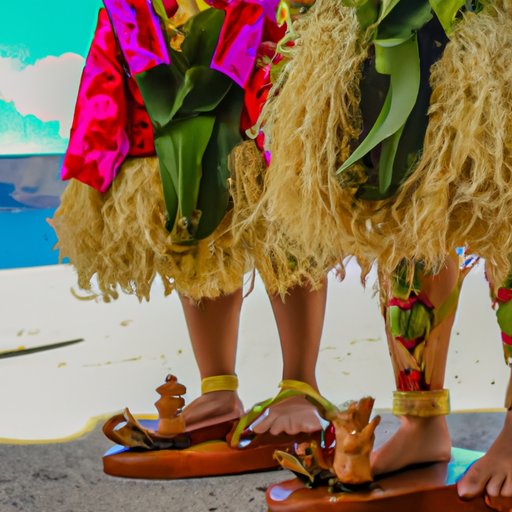
Before traveling to Hawaii, it’s important to familiarize yourself with local culture and customs. Take time to learn about local etiquette and respect local customs. Additionally, research local cuisine and try to sample as many dishes as you can. This will help you get a better understanding of Hawaiian culture and make your trip even more enjoyable.
Plan Activities and Attractions to Explore in Hawaii
Once you’ve done your research on Hawaiian culture and customs, it’s time to start planning activities and attractions to explore. Research popular tourist attractions, outdoor adventures, and local events. Make sure to leave room for spontaneity and unexpected activities, as well as leisurely days spent lounging at the beach or exploring small towns.
Budget for Food, Souvenirs, and Other Expenses
Before traveling to Hawaii, it’s important to set a realistic budget and plan for food, souvenirs, and other expenses. Look for deals and discounts, and consider setting aside a portion of your budget for unexpected expenses. This will help ensure that you don’t overspend and can enjoy your trip without worrying about money.
Conclusion
Planning a trip to Hawaii doesn’t have to be intimidating. By researching the best times to visit, creating an itinerary, comparing flight costs, looking for accommodation options, familiarizing yourself with Hawaiian culture and customs, planning activities and attractions, and budgeting for food, souvenirs, and other expenses, you can make sure that your trip to Hawaii is enjoyable and stress-free.
By following these tips, you can plan an amazing trip to Hawaii and make the most of your time in this tropical paradise.
(Note: Is this article not meeting your expectations? Do you have knowledge or insights to share? Unlock new opportunities and expand your reach by joining our authors team. Click Registration to join us and share your expertise with our readers.)