
Introduction
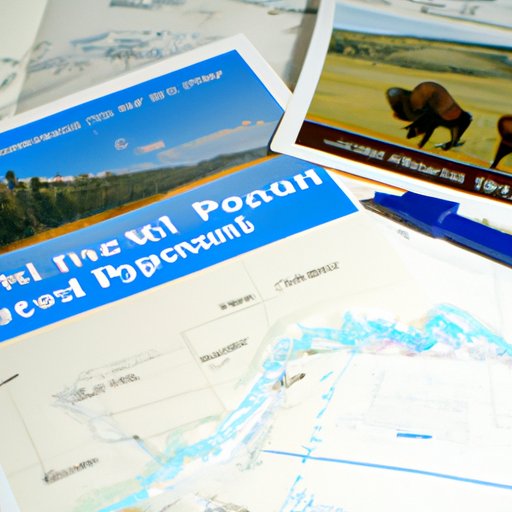
Yellowstone National Park is an iconic destination for outdoor enthusiasts and nature lovers alike. With stunning landscapes, diverse wildlife, and plenty of activities available, it’s no wonder that millions of visitors flock to this park each year. Whether you’re looking for an adventure-filled road trip or a relaxing weekend getaway, Yellowstone National Park has something for everyone.
Overview of Yellowstone National Park
Located primarily in Wyoming, with small sections in Montana and Idaho, Yellowstone National Park is the first national park ever established in the United States. Spanning 3,500 square miles, the park includes mountains, forests, meadows, rivers, lakes, and hot springs. There are also several active geothermal features, including the world-famous Old Faithful geyser.
Reasons to Visit
Visiting Yellowstone National Park offers an unforgettable experience. From its stunning natural beauty to its abundance of wildlife, there are plenty of reasons why so many people choose to make the journey here every year. Here are just a few of the top reasons to plan a trip:
- Explore the park’s diverse landscape, including mountains, forests, meadows, and rivers.
- See the famous Old Faithful geyser and other active geothermal features.
- Spot a variety of wildlife, including bison, elk, bears, wolves, and more.
- Enjoy a range of activities, such as hiking, camping, fishing, boating, and more.
- Take part in seasonal events and attractions, such as ranger-led programs and guided tours.
Research the Best Time of Year to Visit
When planning your trip to Yellowstone National Park, one of the most important considerations is when to go. The ideal time of year will vary depending on your preferences and what you’d like to do while you’re there. To help you decide, here’s an overview of the average temperature and weather conditions throughout the year.
Average Temperature and Weather Conditions
The temperatures in Yellowstone National Park can vary greatly depending on the season. During the summer months (June through August), the average high temperatures range from 65-85 degrees Fahrenheit. Winters in the park are cold and snowy, with average lows ranging from 0-20 degrees Fahrenheit. Spring and fall are generally milder, with temperatures ranging from 40-60 degrees Fahrenheit.
Seasonal Events and Attractions
In addition to the park’s annual attractions, there are also seasonal events and activities that take place throughout the year. During the summer months, visitors can attend ranger-led programs, guided hikes, and educational talks. In the winter, snowshoeing and cross-country skiing are popular activities. Spring and fall bring a variety of festivals and special events, including the Annual Wildflower Festival and the Fall Wildlife Festival.
Decide on an Ideal Duration for the Trip
Once you’ve decided on the best time of year to visit, the next step is to determine how long you’d like to stay. When deciding on the length of your trip, there are a few factors to consider.

Considerations for Length of Stay
The amount of time you spend in the park will depend on a number of factors, such as how far away you live, your budget, and what activities you’d like to do. If you’re flying in from out of state, you’ll need to factor in travel time and any necessary layovers. Additionally, if you plan on doing any activities outside of the park, such as visiting nearby towns or taking day trips, you’ll need to budget extra time for those as well.
Suggested Number of Days
Most visitors suggest spending at least three days in the park to get the full experience. This gives you enough time to explore the main attractions, such as Old Faithful and the Grand Canyon of the Yellowstone, as well as have some leisure time to relax and take in the scenery. For those who want to experience more of the park, five or more days is recommended.
Book Flights and Accommodations Near the Park
Once you’ve determined the ideal duration for your trip, the next step is to book your flights and accommodations. Luckily, there are several options available near the park, making it easy to find the perfect fit for your needs and budget.
Flight Options
The closest airport to Yellowstone National Park is located in West Yellowstone, Montana. This small airport offers daily flights to and from Bozeman, Montana and Salt Lake City, Utah. Other nearby airports include Jackson Hole, Wyoming; Billings, Montana; and Cody, Wyoming. Depending on where you’re coming from, you may be able to find direct flights to one of these airports.
Lodging Options
There are several lodging options available near the park, ranging from hotels and motels to cabins and campgrounds. For those looking for a more luxurious experience, there are also several resorts and lodges in the area. Most of these are located within driving distance of the park, making it easy to explore the area without having to worry about traveling too far.

Plan Out a Daily Itinerary
Once you’ve booked your flights and accommodations, the next step is to plan out a daily itinerary. This will help you make the most of your time in the park, ensuring that you don’t miss out on any of the must-see attractions.

Attractions and Activities in the Park
When planning your daily itinerary, it’s important to research the various attractions and activities available in the park. Popular sights include Old Faithful, the Grand Canyon of the Yellowstone, Hayden Valley, and Mammoth Hot Springs. Additionally, there are plenty of outdoor activities to enjoy, such as hiking, camping, fishing, and boating. It’s also worth noting that some activities, such as backcountry camping and fishing, require permits or licenses.
Transportation and Logistics
When planning out your daily itinerary, it’s important to consider transportation and logistics. If you’re staying in a hotel or lodge, you may want to rent a car to get around. Alternatively, there are several shuttle services that offer transportation to and from the park. Additionally, if you plan on doing any activities outside of the park, such as taking a day trip to another town, you’ll need to factor in additional time for travel.
Purchase Necessary Supplies and Equipment for the Trip
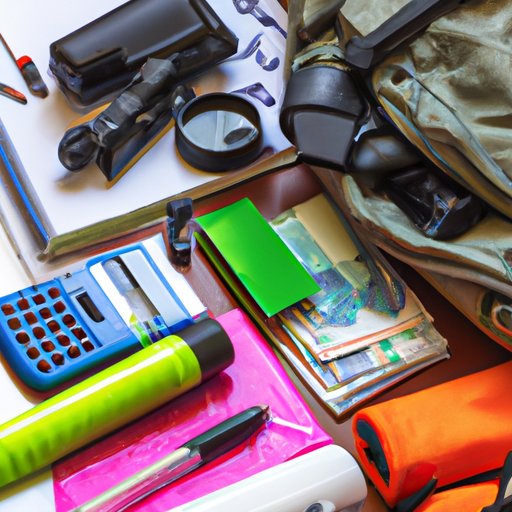
Before heading off on your trip, it’s important to make sure you have all the necessary supplies and equipment. This includes clothing and gear, food and drinks, and any other items you might need while in the park. Here are some of the essential items you should pack for your trip:
Clothing and Gear
When packing for your trip, make sure to bring along appropriate clothing and gear. Depending on the season, this could include light layers, rain gear, hats, gloves, and sturdy shoes. Additionally, if you plan on doing any outdoor activities, such as hiking or camping, you’ll need to make sure you have the right gear for those as well. This could include a tent, sleeping bag, and other necessary camping equipment.
Food and Drinks
When visiting the park, it’s important to bring along enough food and drinks to last you throughout your stay. Since the park is quite large and some areas are remote, it’s best to bring non-perishable items that don’t require refrigeration. This could include trail mix, granola bars, crackers, and other snacks. Additionally, it’s a good idea to bring along plenty of water and other beverages to stay hydrated.

Obtain Any Necessary Permits or Passes
Depending on the activities you plan to do in the park, you may need to obtain certain permits or passes. For instance, if you plan on fishing, you’ll need to purchase a fishing license. Additionally, if you plan on backcountry camping, you’ll need to obtain an overnight permit. These can usually be obtained online or at visitor centers in the park.
Prepare for Unexpected Weather Conditions and Changes in the Environment
When visiting Yellowstone National Park, it’s important to prepare for unexpected weather conditions and changes in the environment. The park is located at a high elevation, which means temperatures can vary drastically throughout the day. Additionally, severe weather, such as thunderstorms and snowstorms, can occur with little warning. To ensure you’re prepared for any situation, it’s important to check the forecast prior to departure and bring along appropriate clothing and gear.
Conclusion
Planning a trip to Yellowstone National Park can be an exciting and rewarding experience. By researching the best time of year to visit, deciding on an ideal duration for the trip, booking flights and accommodations, creating a daily itinerary, and purchasing necessary supplies, you can ensure that your trip is safe and enjoyable. So start planning today and get ready to explore the wonders of Yellowstone!
(Note: Is this article not meeting your expectations? Do you have knowledge or insights to share? Unlock new opportunities and expand your reach by joining our authors team. Click Registration to join us and share your expertise with our readers.)