
Introduction
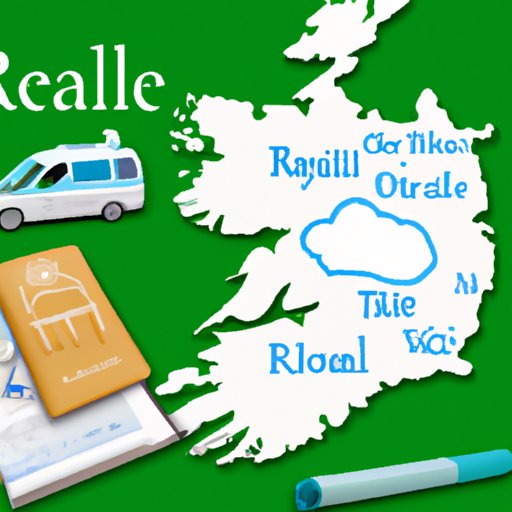
If you’re looking for a beautiful and unique travel destination, Ireland is sure to provide an unforgettable experience. With its rolling hills, stunning coastlines, ancient castles and ruins, and vibrant culture, Ireland is a popular tourist spot for people from all over the world. Whether you’re visiting to explore the countryside, discover historical sites, or sample the local cuisine, there’s something in Ireland for everyone.
Research the Best Time to Visit Ireland
When planning a trip to Ireland, it’s important to research the best time to go. Consider the climate, festivals, and holidays that might affect your visit. Ireland has a temperate oceanic climate, which means temperatures are mild year-round. However, winter can be cold and rainy, while summer is typically warm and dry. According to the Irish Meteorological Service, “The average annual temperature in Ireland is 8°C (46°F). The warmest months are July and August, when the average temperature is between 15°C (59°F) and 17°C (63°F).” It’s also important to note that Ireland has an abundance of festivals and holidays throughout the year, so if you’d like to experience one of these events, make sure to check the calendar before booking your trip.
Choose an Itinerary and Accommodation
Once you’ve decided on the best time to visit Ireland, you’ll want to research popular tourist destinations and determine what type of accommodation will fit your needs. Ireland has many attractions, from iconic landmarks such as the Cliffs of Moher and the Giant’s Causeway to historic sites like the Rock of Cashel and Blarney Castle. Depending on where you’d like to go, you’ll need to decide between hotels, bed and breakfasts, vacation rentals, hostels, or camping. Whatever type of accommodation you choose, be sure to book early to get the best rates.
Book Flights and Transportation
When planning a trip to Ireland, it’s important to compare flight prices and pick the most convenient option. You may also want to consider taking a train or bus to get around the country. Ireland has an extensive rail network, with services connecting Dublin to major cities like Cork, Galway, and Limerick. Bus travel is also an affordable option, with regular routes to smaller towns and villages. Both modes of transportation offer scenic views of the Irish countryside and are great alternatives to flying.
Budget for Food, Activities, and Shopping
Before you leave for your trip, it’s important to set aside money for food, activities, and shopping. Research average prices in different areas to get an idea of how much you should budget for meals, attractions, souvenirs, and experiences. From pub crawls and whiskey tastings to boat tours and outdoor activities, there is no shortage of things to do in Ireland. And don’t forget to save some money for souvenirs – whether it’s a piece of jewelry, a traditional wool sweater, or a handmade pottery mug, you’ll want to take home something special to remember your trip!
Learn About Irish Culture and Language
To get the most out of your trip to Ireland, it’s important to learn about the country’s culture and language. Read up on Irish history and customs, familiarize yourself with local lingo, and try to engage with locals whenever possible. While English is widely spoken, you may encounter words or phrases that are unique to the Irish dialect. Learning a few key phrases will help you better understand and appreciate the culture.
Prepare Necessary Documents and Insurance
Before you leave for your trip, make sure to check your passport and visas. You’ll also want to get travel insurance to protect yourself in case of any unexpected events. Travel insurance covers medical expenses, lost luggage, flight cancellations, and more. It’s important to read the policy carefully and make sure it meets your needs.
Conclusion
Planning a trip to Ireland can be overwhelming, but with the right research and preparation, you can ensure a successful and enjoyable vacation. Remember to consider the best time to visit, choose an itinerary and accommodation, book flights and transportation, budget for food, activities and shopping, learn about Irish culture and language, and prepare necessary documents and insurance.
(Note: Is this article not meeting your expectations? Do you have knowledge or insights to share? Unlock new opportunities and expand your reach by joining our authors team. Click Registration to join us and share your expertise with our readers.)