
I. Introduction
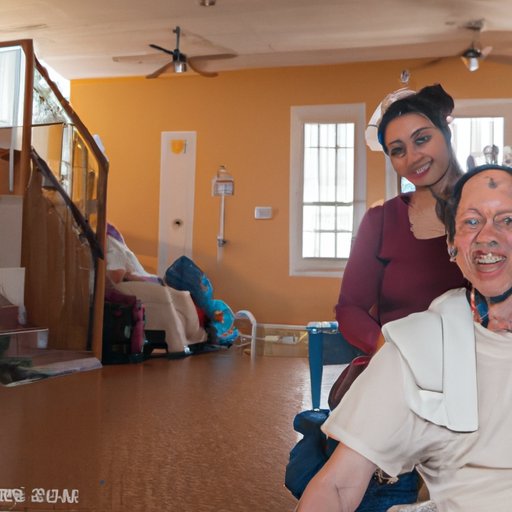
If you’re looking to start your own in-home care service, there are several steps you need to consider to ensure success. This article will provide a comprehensive guide to owning your own in-home care service, from identifying your niche to offering specialized care services. Whether you’re an experienced caregiver looking to start your own business or a new entrepreneur looking for a profitable and fulfilling business opportunity, this article is for you.
II. Identify Your Niche
Identifying your niche is critical to the success of your in-home care service. A niche is a specific area of the in-home care service industry that you specialize in. For example, you may specialize in providing care for seniors or individuals with disabilities. By identifying your niche, you can provide a more targeted and specialized service to your clients.
Examples of niches within the in-home care service industry include:
- Senior care
- Childcare
- Disability care
- Mental health care
- Post-surgery and rehabilitation care
Identifying your niche allows you to establish yourself as an expert in a specific area, providing the best care to your clients.
III. Establish a Business Plan
A business plan is a comprehensive document that outlines the goals and strategies of a business. It includes market research, financial projections, and a marketing plan. A well-written business plan is critical to the success of your in-home care service.
The essential components of a business plan for an in-home care service include:
- Executive summary
- Company description
- Market analysis
- Service or product line
- Marketing and sales strategies
- Financial projections
- Management and organizational structure
- Appendix
Creating a successful business plan involves doing thorough research on your industry and competitors. It also requires you to identify your target market and establish a budget for your business.
IV. Obtain the Necessary Licenses and Certifications
Obtaining the necessary licenses and certifications for your in-home care service is critical to ensuring legal compliance and providing a safe and effective service to your clients.
Examples of licenses and certifications that may be required for an in-home care service include:
- Business license
- Home health agency license
- Health care provider license
- Medicare and Medicaid certification
- CPR and First Aid certification
- Background checks and screenings for employees
You can obtain these licenses and certifications by contacting your state’s licensing department or health department. Make sure you do your research and comply with all legal requirements before launching your in-home care service.
V. Build a Strong Reputation
Building a strong reputation in your community is critical to the success of your in-home care service. It not only helps build trust with your clients, but it also helps you stand out from your competitors.
Some tips for building a strong reputation include:
- Providing compassionate and high-quality care to clients
- Offering exceptional customer service to clients and their families
- Building relationships with healthcare providers and community organizations
- Encouraging positive feedback from clients and responding to negative feedback professionally
- Providing educational materials and resources to clients and their families
Marketing your in-home care service is also critical to building a strong reputation. This can include advertising, social media, and word-of-mouth referrals.
VI. Hire and Train Employees
Hiring and training experienced and compassionate caregivers is essential to providing high-quality care to your clients.
Some tips for hiring and training employees include:
- Conducting thorough background checks and screenings
- Providing ongoing training and education on relevant skills and industry trends
- Developing a company culture that values compassion, professionalism, and excellence
- Providing mentorship and support to new employees
- Offering competitive compensation and benefits
By investing in your employees, you can provide better care to your clients and build a stronger reputation for your in-home care service.
VII. Implement Technology
Implementing technology is important to improving the efficiency and effectiveness of your in-home care service.
Some examples of technology that can be useful for an in-home care service include:
- Electronic health records (EHRs) for tracking patient information
- Mobile apps for scheduling and communication
- Telehealth technology for virtual consultations and appointments
- GPS devices for tracking employees and patients
Technology can support efficient communication, scheduling, tracking of patient information, and billing services.
VIII. Offer Specialized Care
Offering specialized care services can differentiate your in-home care service from your competitors and fulfill the unique needs of your clients.
Some examples of specialized care services that an in-home care service may offer include:
- Hospice care
- Alzheimer’s and dementia care
- Pediatric care
- Wound care
- Cancer care
By offering specialized care, you can establish yourself as an expert in a specific area and provide a more targeted and effective service to your clients.
IX. Conclusion
Starting your own in-home care service requires careful planning and attention to detail. By following these steps, you can lay the foundation for a successful and fulfilling business venture. Identify your niche, establish a business plan, obtain the necessary licenses and certifications, build a strong reputation, hire and train employees, implement technology, and offer specialized care. With dedication and hard work, owning your own in-home care service can be a profitable and rewarding experience.
(Note: Is this article not meeting your expectations? Do you have knowledge or insights to share? Unlock new opportunities and expand your reach by joining our authors team. Click Registration to join us and share your expertise with our readers.)