
Introduction
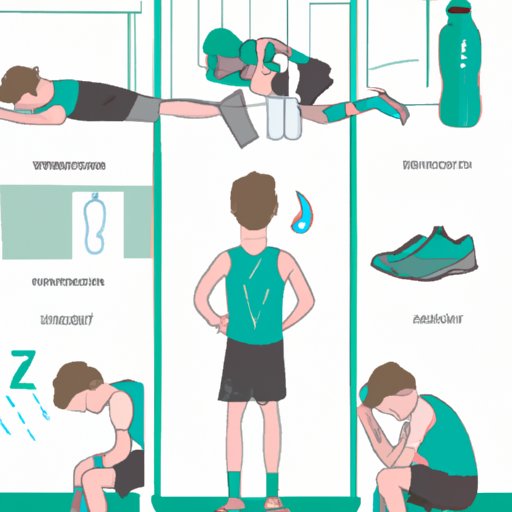
Post-workout soreness, also known as delayed onset muscle soreness (DOMS), is a common side effect of exercise that can cause discomfort and even hinder future workouts. Fortunately, there are a variety of strategies you can use to minimize post-workout soreness and ensure that you can continue exercising without interruption. In this article, we’ll explore some of the best ways to prevent soreness after a workout.
Warm Up and Cool Down
One of the best ways to prevent post-workout soreness is to make sure you warm up and cool down properly. Warming up before exercise helps to increase blood flow to your muscles, which prepares them for exercise and helps reduce soreness afterwards. It also helps to reduce the risk of injury by gradually increasing your heart rate and loosening up your joints. A good warm-up routine should include dynamic stretches and exercises that target the muscles you’ll be using during your workout.
Cooling down after a workout is just as important as warming up. Cooling down helps to gradually decrease your heart rate and bring your body back to its pre-exercise state. This helps to reduce post-workout soreness and fatigue and can also help to improve flexibility and mobility. Some examples of cool down exercises include walking, light jogging, and static stretches.
Hydration
Staying hydrated is essential for preventing post-workout soreness. During exercise, our bodies lose fluids through sweat, so it’s important to replace these fluids to stay hydrated. Dehydration can lead to fatigue, cramping, and even heatstroke, all of which can increase the risk of post-workout soreness. The American College of Sports Medicine recommends drinking 17-20 ounces of fluid two hours before exercise and 7-10 ounces every 10-15 minutes during exercise.
Stretching
Stretching is another important part of avoiding post-workout soreness. Stretching helps to increase flexibility and range of motion, which can help reduce the risk of injury and post-workout pain. Dynamic stretches, which involve moving parts of your body through their full range of motion, are particularly effective at helping to prevent soreness. Examples of dynamic stretches include arm circles, leg swings, and torso rotations.
Protein Intake
Eating protein after a workout is also important for reducing post-workout soreness. Protein helps to repair and build muscle, which can reduce the risk of soreness. According to a study published in the Journal of Sports Science and Medicine, consuming 20 grams of protein after a workout was found to reduce DOMS. Good sources of protein include lean meats, fish, eggs, nuts, and dairy products.
Sleep
Getting enough sleep is also essential for preventing post-workout soreness. Sleep helps to reduce inflammation and speed up recovery, both of which can help reduce the risk of being sore after a workout. According to the National Sleep Foundation, adults should aim for 7-9 hours of sleep per night. Additionally, they recommend avoiding caffeine and alcohol before bed, as both can disrupt sleep and interfere with recovery.
Conclusion
Post-workout soreness can be uncomfortable and even hinder future workouts. However, there are a number of strategies you can use to reduce the risk of being sore after a workout. These strategies include warming up and cooling down, staying hydrated, stretching, eating protein, and getting enough sleep. By following these tips, you can reduce the risk of post-workout soreness and ensure that you can keep exercising without interruption.
(Note: Is this article not meeting your expectations? Do you have knowledge or insights to share? Unlock new opportunities and expand your reach by joining our authors team. Click Registration to join us and share your expertise with our readers.)