
Introduction
A hangover is defined as the group of symptoms that occur after excessive alcohol consumption. These symptoms can include dehydration, fatigue, nausea, headaches, dizziness, and sensitivity to light and sound. Hangovers are an unpleasant experience, but they are also preventable. In this article, we’ll explore eight tips that can help you avoid a hangover after drinking.
Drink in Moderation
The most obvious way to reduce the chances of getting a hangover is to drink in moderation. Studies have shown that people who drink moderately (no more than one drink per hour) have fewer hangover symptoms than those who binge drink. Moderate drinking is also beneficial to your overall health, as it can reduce the risk of certain illnesses such as heart disease, stroke, and some types of cancer.
Here are some tips for moderating your alcohol consumption:
- Set limits for yourself and stick to them.
- Eat a meal before and while drinking.
- Alternate alcoholic drinks with non-alcoholic beverages.
- Know your limits and don’t exceed them.
- Stop drinking when you feel the effects of the alcohol.

Avoid Sugary Mixers and Shots
Sugary mixers and shots can increase the chances of getting a hangover. The sugar in these drinks can cause inflammation, which can lead to headaches and other hangover symptoms. Additionally, sugary drinks can make you feel more dehydrated.
Here are some alternatives to sugary drinks:
- Water
- Fruit juice
- Sparkling water
- Tea
- Club soda
Alternate Alcoholic Drinks with Water or Juice
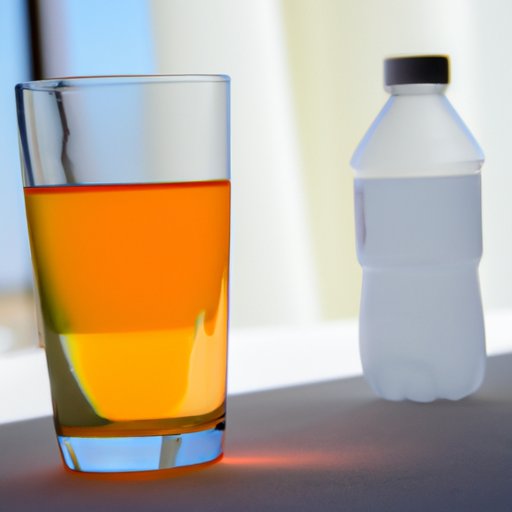
Alternating your alcoholic drinks with water or juice can help reduce the effects of a hangover. This is because the water or juice will help hydrate your body and reduce the amount of alcohol in your system. Additionally, drinking water or juice between alcoholic drinks will help slow down your rate of drinking, which can reduce the chances of getting a hangover.
Here are some tips for alternating drinks:
- Always have a glass of water or juice handy.
- Drink a glass of water or juice between alcoholic drinks.
- Limit yourself to no more than two alcoholic drinks per hour.
- If you’re feeling thirsty, drink water instead of alcohol.

Eat a Hearty Meal Before and While Drinking
Eating a hearty meal before and while drinking is important for avoiding a hangover. Eating before drinking helps slow down the absorption of alcohol into your bloodstream, which can reduce the effects of a hangover. Eating while drinking can also help slow down your rate of drinking, which can reduce the chances of getting a hangover.
Here are some suggestions for meals to eat before and while drinking:
- A sandwich or wrap with lean protein, vegetables, and whole grains.
- A bowl of soup with beans, vegetables, and lean proteins.
- A salad with leafy greens, vegetables, nuts, and lean proteins.
- A quesadilla with beans, vegetables, and lean proteins.
- A burrito with beans, vegetables, and lean proteins.
Take Vitamin B Complex Before Bed
Taking a vitamin B complex supplement before bed can help reduce the effects of a hangover. Vitamin B complex helps break down alcohol in the body, which can reduce the severity of hangover symptoms. Additionally, vitamin B complex helps reduce feelings of fatigue and nausea, which are common hangover symptoms.
Here’s how to take a vitamin B complex supplement:
- Take one capsule before bed.
- Swallow the capsule with a full glass of water.
- Take the supplement at least 30 minutes before going to bed.
Rehydrate with Electrolyte-Rich Drinks
Drinking electrolyte-rich drinks can help rehydrate your body and reduce the effects of a hangover. Electrolytes help balance the fluids in your body and replenish lost minerals, which can help reduce symptoms such as fatigue and headaches. Additionally, electrolyte-rich drinks can help reduce feelings of nausea.
Here are some examples of electrolyte-rich drinks:
- Sports drinks such as Gatorade or Powerade.
- Coconut water.
- Electrolyte-enhanced waters.
- Homemade electrolyte drinks.
- Fruit juice or vegetable juice.

Get Plenty of Rest After Drinking
Getting enough rest after drinking is essential for avoiding a hangover. When you’re sleeping, your body is able to process the alcohol in your system more efficiently, which can reduce the severity of hangover symptoms. Additionally, getting enough rest can help reduce feelings of fatigue and irritability.
Here are some tips for getting enough rest:
- Go to bed early and aim for at least seven hours of sleep.
- Create a comfortable sleeping environment by keeping the room dark and quiet.
- Avoid caffeine, nicotine, and other stimulants before bed.
- Try relaxation techniques such as meditation or deep breathing.
- Exercise regularly to help improve your sleep quality.
Conclusion
In conclusion, there are several ways to avoid a hangover after drinking. Drink in moderation, avoid sugary drinks, alternate alcoholic drinks with water or juice, eat a hearty meal before and while drinking, take vitamin B complex before bed, rehydrate with electrolyte-rich drinks, and get plenty of rest. By following these tips, you can reduce the chances of getting a hangover.
(Note: Is this article not meeting your expectations? Do you have knowledge or insights to share? Unlock new opportunities and expand your reach by joining our authors team. Click Registration to join us and share your expertise with our readers.)