
Introduction
Anger is an emotion that can manifest itself in many different ways. It can range from mild annoyance to intense rage. It can cause stress, anxiety, and even depression. Learning how to not be angry is an important part of managing your emotions and improving your overall mental health. In this article, we’ll explore eight tips for managing your anger and preventing it from taking over your life.
Identify Your Triggers
The first step in managing your anger is to identify what makes you angry. Think about situations or people that tend to trigger your anger. Once you know what your triggers are, you can plan how to handle them. For example, if you get angry when someone interrupts you during a conversation, you can practice speaking more slowly so that the other person has time to finish their thought.
Express Your Feelings
Bottling up your emotions only makes them worse. Talking to someone about how you feel can be a great way to release tension and gain a different perspective on the situation. Find someone you trust, such as a friend or family member, and tell them how you’re feeling. You can also talk to a therapist or counselor if you need additional support.
Take a Break
When you start to feel angry, it’s important to step back from the situation. Take a few deep breaths and count to 10. This will give you a chance to calm down and think about the situation logically. Taking a break can help you regain control of your emotions and prevent you from saying or doing something you might regret later.
Exercise
Physical activity is a great way to reduce stress and clear your mind. Exercise releases endorphins, which can help you feel better and refocus your energy. Even a short walk around the block can make a difference in how you’re feeling.
Practice Relaxation Techniques
Yoga, mindfulness meditation, and tai chi are all great tools for reducing stress and anger. These practices can help you focus your energy, stay in the present moment, and keep your emotions in check. They can also help you develop healthier coping skills for dealing with difficult situations.
Avoid Alcohol and Drugs
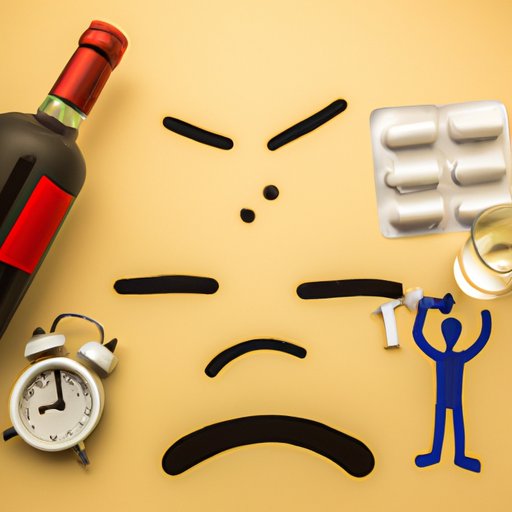
Alcohol and drugs can increase your risk of becoming angry. They can also impair your judgment and lead to impulsive behavior. Avoiding these substances can help you stay in control of your emotions and make better decisions.
Seek Professional Help
If you find that you’re still struggling to manage your anger, seeking professional help can be beneficial. A therapist or counselor can provide you with additional support and strategies for managing your anger in a healthy way.
Conclusion
Managing your anger is an important part of maintaining your mental health. By identifying your triggers, expressing your feelings, taking a break, exercising, practicing relaxation techniques, avoiding alcohol and drugs, and seeking professional help, you can learn how to not be angry and live a healthier life.
(Note: Is this article not meeting your expectations? Do you have knowledge or insights to share? Unlock new opportunities and expand your reach by joining our authors team. Click Registration to join us and share your expertise with our readers.)