
Introduction
Bitcoin mining refers to the process of verifying and adding transaction records to the public ledger, also known as the blockchain. This is done by using specialized computing hardware to solve complex mathematical equations. As a reward for their work, miners are rewarded with newly issued bitcoins. Mining for bitcoin at home has become increasingly popular in recent years due to its potential for high rewards and the ability to set up a secure, private mining environment.
Researching the Best Hardware and Software for Home Bitcoin Mining
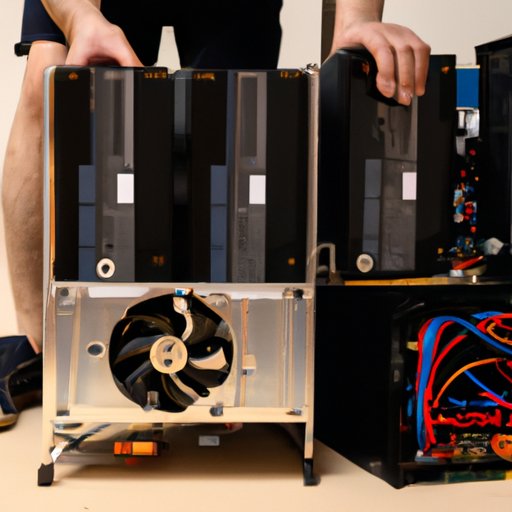
Before you can begin mining for bitcoin at home, you need to research the best hardware and software options available. There are several types of mining hardware on the market, including ASICs (application-specific integrated circuits), GPUs (graphics processing units) and CPUs (central processing units). Each type of hardware has its own advantages and disadvantages, so it’s important to compare the various options before making a final decision.
In addition to researching different types of mining hardware, you also need to consider the various mining software options. Popular mining programs include CGMiner, BFGMiner and MultiMiner. Each program has its own features and benefits, so it’s important to read reviews and compare the various options before deciding which one is right for you.
Once you have researched the various hardware and software options, it’s time to make an informed decision about which ones will best suit your needs. Consider factors such as cost, efficiency and ease of use when making your decision.
Setting Up a Secure Home Mining Environment
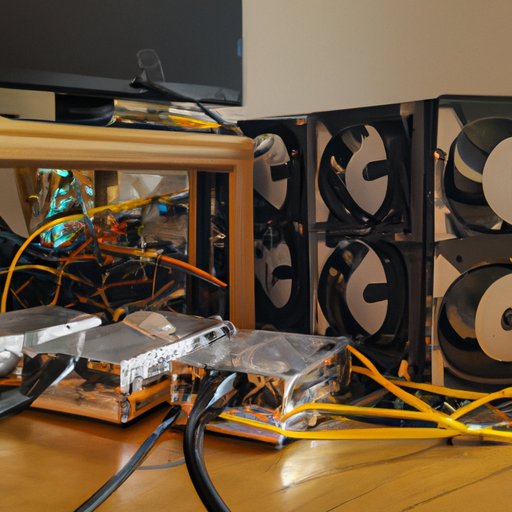
Once you have selected the hardware and software for your home mining setup, it’s time to begin setting up a secure environment. The first step is to consider the power supply for your mining rig. Make sure that you purchase a power supply that is capable of providing enough power to run all of your hardware. Additionally, you may want to consider purchasing a backup power supply in case of power outages or surges.
After selecting a power supply, you will need to install and configure the mining software. This process involves downloading the software, installing it on your computer and entering your wallet address. You will also need to configure the software to match your hardware and network settings. Once the software is installed and configured, you should make sure to secure your network connection to prevent unauthorized access.
Learning How to Configure Your Mining Rig
Once you have installed and configured the mining software, you will need to learn how to configure your mining rig. This involves understanding the various configuration settings and customizing them to optimize performance. It is important to familiarize yourself with the different settings before adjusting them as incorrect settings can cause serious issues with your mining rig.
Once you have gained a basic understanding of the configuration settings, you can begin to customize the performance settings. This includes adjusting the hashrate, clock speed and memory settings. It is important to test and troubleshoot the settings before applying them to ensure they are working correctly.
Familiarizing Yourself with Different Mining Pools
Once you have set up and configured your mining rig, it’s time to join a mining pool. Mining pools allow miners to combine their resources and share rewards. Before joining a pool, you should consider factors such as pool fees, payment methods and minimum payouts. You should also research the pool’s reputation and user reviews to ensure it is reliable.
Once you have chosen a pool, you will need to sign up for an account and join the pool. After signing up, you can begin mining and earning rewards. It is important to understand the pool’s rules and regulations and to keep track of your earnings.
Monitoring Your Mining Performance and Making Adjustments as Needed
Once you have joined a mining pool, it’s important to monitor your mining performance and make adjustments as needed. To do this, you should familiarize yourself with common mining performance metrics such as hashrate, block reward, difficulty and reject rate. By analyzing these metrics, you can determine if your mining rig is performing optimally and make any necessary adjustments.
You can also optimize your mining performance by customizing settings such as clock speed and memory. Additionally, you may want to consider switching to a different mining pool if the one you are currently using is not providing good rewards.
Conclusion
Mining for bitcoin at home can be a rewarding experience. By researching the best hardware and software options, setting up a secure environment, configuring your mining rig, joining a mining pool, and monitoring your performance, you can maximize your rewards and ensure a successful mining experience.
(Note: Is this article not meeting your expectations? Do you have knowledge or insights to share? Unlock new opportunities and expand your reach by joining our authors team. Click Registration to join us and share your expertise with our readers.)