
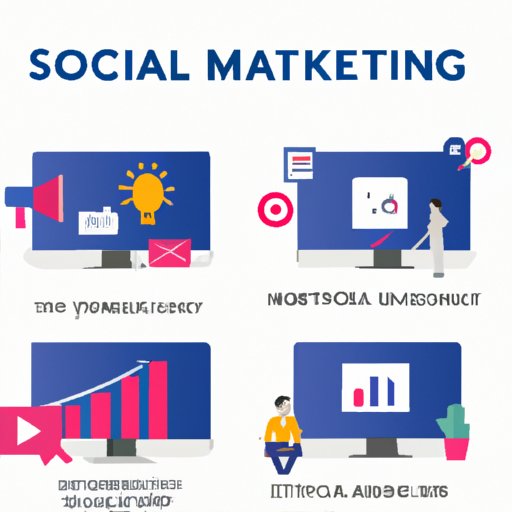
Introduction
Social media has become an essential tool for businesses of all sizes. With billions of people around the world using various platforms such as Facebook, Twitter, Instagram, and LinkedIn, it provides an invaluable opportunity for companies to reach potential customers and build relationships. But, in order to get the most out of social media, it’s important to have a strategic plan in place.
According to a 2019 survey by Sprout Social, “92% of marketers indicated that social media is important for their business, with 80% indicating that their efforts have generated more exposure for their businesses.” Clearly, there are many benefits to be gained from social media marketing.
Develop a Strategic Plan
The first step in creating an effective social media strategy is to outline your goals and objectives. What do you want to accomplish? Do you want to increase brand awareness, drive website traffic, or boost sales? Once you know what you hope to achieve, you can identify specific tactics to reach those goals.
For example, if your goal is to increase website traffic, you might consider running contests or promotions, creating engaging visuals, or partnering with influencers. Each of these tactics could help you reach your desired outcome.
Research Your Audience
It’s also important to learn about your target audience. What are their interests, behaviors, and preferences? Knowing this information will help you create content that resonates with them. You can use tools like Google Analytics and social media analytics to gain insights into your audience.
By understanding who your audience is, you can tailor your content to meet their needs. This could include providing educational resources, answering questions, and offering helpful advice. When done well, this type of content can build trust and loyalty with your followers.
Create Engaging Content
Creating engaging content is key to any successful social media marketing campaign. There are many different types of content to consider, such as videos, photos, infographics, and blog posts. It’s important to mix up the content you post to keep things interesting.
When creating content, it’s also important to make it shareable. This can be done by including calls to action such as “share if you agree” or “tag a friend who would love this.” Additionally, you can encourage user-generated content by asking questions or running contests.
Utilize Paid Advertising
Paid advertising is another way to reach your target audience on social media. Platforms like Facebook and Instagram offer highly targeted ads that can be tailored to fit your budget and goals. To ensure the best results, it’s important to follow best practices for paid ads, such as setting clear objectives, testing different ad formats, and tracking your results.
Additionally, you should consider other platforms such as LinkedIn, YouTube, and Twitter. Each platform offers unique opportunities and advantages, so it’s important to research which ones are best suited to your business.
Measure and Analyze Results
Finally, it’s essential to track and analyze the results of your social media campaigns. This will allow you to determine what’s working and what isn’t, so you can adjust your strategy accordingly. Tools such as Google Analytics and Sprout Social can provide valuable insights into your performance.
Conclusion
Social media marketing can be an effective way to reach new customers and grow your business. By developing a strategic plan, researching your audience, creating engaging content, utilizing paid advertising, and measuring and analyzing results, you can maximize the impact of your social media campaigns.
With the right plan in place, you can leverage the power of social media to reach your goals and succeed in your marketing endeavors.
(Note: Is this article not meeting your expectations? Do you have knowledge or insights to share? Unlock new opportunities and expand your reach by joining our authors team. Click Registration to join us and share your expertise with our readers.)