

Introduction
An Ethereum token is a digital asset that runs on the Ethereum blockchain. It can represent anything from physical assets such as real estate and artwork, to virtual assets such as loyalty points and in-game items. Tokens are versatile, secure, and easy to create, making them popular among businesses and individuals alike. This article will provide a step-by-step guide to creating your own Ethereum token.
Step-by-Step Guide to Creating an Ethereum Token
Creating an Ethereum token requires a few simple steps. First, you’ll need to set up an Ethereum wallet and acquire some Ether. Then, you’ll need to make an Ethereum address and write a smart contract. Finally, you’ll have to deploy the contract, test it, and launch your token.
Setting up an Ethereum Wallet
The first step in creating an Ethereum token is setting up an Ethereum wallet. There are many different wallets available, both online and offline. It’s important to choose a secure wallet with strong encryption, as this will keep your tokens and Ether safe. Popular wallets include MyEtherWallet, MetaMask, and Ledger Nano S.
Acquiring Ether
Once you’ve set up your wallet, you’ll need to acquire some Ether. This is the cryptocurrency used to power the Ethereum network. You can purchase Ether from exchanges such as Coinbase or Kraken. Alternatively, you can mine for Ether using a mining rig.
Making an Ethereum Address
Next, you’ll need to make an Ethereum address. This is a unique string of characters that identifies your wallet. Every time you send or receive Ether, you’ll need to use this address.
Writing a Smart Contract
Once you have an Ethereum address, you’ll need to write a smart contract. This is a computer program that runs on the Ethereum blockchain and defines the rules of your token. The code should include information such as the name of the token, the total number of tokens in circulation, and how the tokens can be transferred.
Deploying the Smart Contract
Once you’ve written the code for your smart contract, you’ll need to deploy it. This involves sending the code to the Ethereum blockchain, where it will be stored and run. You can do this using a variety of tools, such as Remix, Truffle, or Geth.
Testing the Contract
Before launching your token, it’s important to thoroughly test your smart contract. This will ensure that the code is bug-free and that the token is working correctly. You can test the contract using a tool such as Ganache or Ropsten.
Launching the Token
Once you’ve tested your smart contract, you’re ready to launch your token. This involves sending a small amount of Ether to the smart contract and then distributing the tokens to the people who purchased them. Once the tokens have been distributed, they can be traded on exchanges or used for a variety of applications.
Exploring the Basics of Ethereum Token Creation
Before diving into the specifics of creating an Ethereum token, it’s important to understand the basics. What is a token? What is a smart contract? How does Ethereum differ from other cryptocurrencies? Let’s take a look.
What is a Token?
A token is a digital asset that runs on the Ethereum blockchain. It can represent anything from physical assets such as real estate and artwork, to virtual assets such as loyalty points and in-game items. Tokens are versatile, secure, and easy to create, making them popular among businesses and individuals alike.
What is a Smart Contract?
A smart contract is a computer program that runs on the Ethereum blockchain and defines the rules of your token. It includes information such as the name of the token, the total number of tokens in circulation, and how the tokens can be transferred. Smart contracts are secure and reliable, making them a great choice for token creation.
What is the Difference Between Ethereum and Other Cryptocurrencies?
Ethereum is different from other cryptocurrencies because it allows users to create their own tokens. This makes it possible to create unique digital assets that can be used for a variety of applications. Ethereum also supports smart contracts, which enable developers to create automated systems for exchanging value.
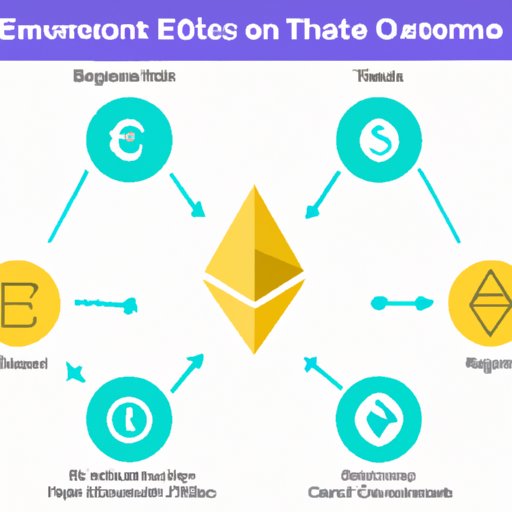
An Overview of Ethereum Token Creation Process
Now that we’ve explored the basics of Ethereum token creation, let’s take a look at the process in more detail. Here’s an overview of the steps involved in creating an Ethereum token.
Choosing the Right Platform
The first step in creating an Ethereum token is choosing the right platform. There are several platforms available, each with its own set of features and advantages. It’s important to choose the one that best suits your needs and budget.
Designing Your Token
Once you’ve chosen a platform, you’ll need to design your token. This involves deciding what the token will represent and how it will function. For example, you’ll need to decide if it will be a tradable asset, a utility token, or something else entirely.
Developing Your Token
Once you’ve designed your token, you’ll need to develop it. This involves writing the code for your smart contract and deploying it to the Ethereum blockchain. You can use a variety of tools to do this, such as Remix, Truffle, or Geth.
Testing and Auditing Your Token
Before launching your token, it’s important to thoroughly test and audit it. This will ensure that the code is bug-free and that the token is functioning correctly. You can test the contract using a tool such as Ganache or Ropsten, and audit it using a service such as Quantstamp or MythX.
Launching Your Token
Once you’ve tested and audited your token, you’re ready to launch it. This involves sending a small amount of Ether to the smart contract and then distributing the tokens to the people who purchased them. After the launch, the tokens can be traded on exchanges or used for a variety of applications.
Understanding Ethereum Token Mechanics and Smart Contracts
Now that we’ve covered the basics of Ethereum token creation, let’s take a deeper look at the mechanics behind it. How do Ethereum tokens work? What are the benefits of using smart contracts? What are the risks involved in token creation? Let’s find out.
How do Ethereum Tokens Work?
Ethereum tokens are created using a smart contract. This is a computer program that runs on the Ethereum blockchain and defines the rules of the token. It includes information such as the name of the token, the total number of tokens in circulation, and how the tokens can be transferred. When someone sends Ether to the smart contract, the tokens are generated and sent to the person’s wallet.
What are the Benefits of Using Smart Contracts?
Smart contracts are secure and reliable, making them a great choice for token creation. They also allow for automated transactions, meaning that tokens can be exchanged without the need for a third party. This speeds up the process and reduces the risk of fraud or error.
What Are the Risks Involved in Token Creation?
Token creation comes with a certain level of risk. If the code for your smart contract contains bugs or vulnerabilities, this could lead to the loss of funds. It’s also important to understand the legal implications of creating a token, as this can vary from country to country.
What You Need to Know Before Making an Ethereum Token
Before creating an Ethereum token, it’s important to do your research. Understand the basics of token creation and the associated risks. It’s also important to understand the legal implications of creating a token, as this can vary from country to country. If necessary, get professional help to ensure that you are compliant with all applicable laws and regulations.
Tips for Building and Launching Your Own Ethereum Token
Creating an Ethereum token is a complex process, but it doesn’t have to be daunting. Here are a few tips to help you create and launch your own Ethereum token.
Plan Ahead
It’s important to plan ahead when creating an Ethereum token. Think about the type of token you want to create and the platform you’ll use to develop it. Research the legal implications of token creation, and make sure you understand the risks involved.
Keep It Simple
When designing your token, keep it simple. Don’t try to do too much at once. Start with a basic token and add features as you go. This will help you focus on creating a secure and reliable token.
Start Small
When launching your token, start small. Don’t try to launch it on a large scale right away. Instead, focus on getting the token into the hands of a few trusted users and gathering feedback. This will help you refine your token before a full launch.
Don’t Forget Security
Security is key when creating an Ethereum token. Make sure you thoroughly test and audit the code for your smart contract. Also, make sure you choose a secure wallet to store your tokens and Ether.
Conclusion
Creating an Ethereum token is a complex process, but with the right knowledge and tools, it can be done. This article has provided a step-by-step guide to creating an Ethereum token, as well as an overview of the basics of token creation and the risks involved. Before making an Ethereum token, it’s important to do your research and understand the legal implications. With the right preparation, you can create and launch your own Ethereum token.
(Note: Is this article not meeting your expectations? Do you have knowledge or insights to share? Unlock new opportunities and expand your reach by joining our authors team. Click Registration to join us and share your expertise with our readers.)