
Introduction
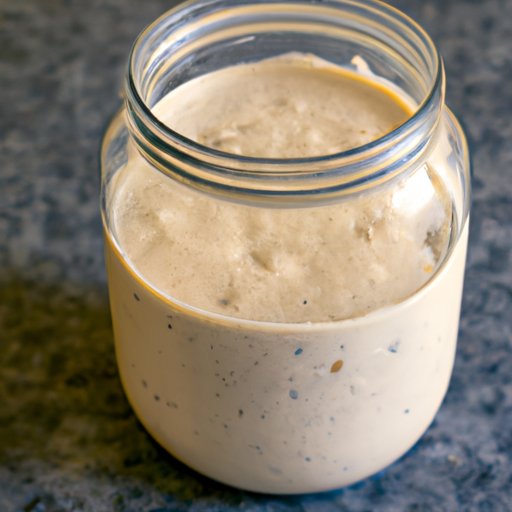
Sourdough starter is a mixture of flour, water, and wild yeast that is used to make bread or other baked goods. The combination of these ingredients helps create a unique flavor and texture in the finished product. With practice and patience, anyone can learn how to make a sourdough starter from scratch. This article will provide a step-by-step guide to creating a delicious sourdough starter, as well as tips for success.
Step-by-Step Guide to Making a Sourdough Starter
Creating a sourdough starter requires several steps. The process begins by gathering the necessary ingredients, preparing the dough, and then feeding and storing the starter. Here is a detailed breakdown of each step.
Gather the Ingredients
The basic ingredients for a sourdough starter are flour, water, and wild yeast. The type of flour used will affect the flavor and texture of the finished product. For best results, unbleached all-purpose flour or whole wheat flour should be used. Yeast is not required, but it will help jump-start the fermentation process. To ensure a successful starter, use only filtered or bottled water, as tap water may contain chlorine or other contaminants that could kill the yeast.
Prepare the Dough
Once the ingredients have been gathered, the next step is to prepare the dough. Begin by mixing together equal parts of flour and water in a bowl until a thick paste is formed. Cover the bowl with plastic wrap or a damp towel and let it sit at room temperature overnight. The next day, add a pinch of yeast to the mixture and stir to combine. Cover the bowl again and let it sit for another 24 hours.
Feed and Store the Starter
Once the starter has been created, it needs to be fed and stored properly. To feed the starter, mix equal parts of flour and water into the mixture and stir until it reaches a thick consistency. Cover the bowl with plastic wrap or a damp towel and let it sit for 24 hours. After 24 hours, discard half of the starter and repeat the process. To store the starter, transfer it to an airtight container and keep it in the refrigerator.
A Beginner’s Guide to Sourdough Starter Creation
Creating a sourdough starter can seem intimidating, especially if you’re a beginner. However, with a few simple steps, anyone can make a delicious starter. Here is a beginner’s guide to creating a successful starter.
Basic Steps for Creating a Starter
To begin, gather the necessary ingredients (flour, water, and yeast), and mix them together until a thick paste is formed. Cover the bowl with plastic wrap or a damp towel and let it sit at room temperature for 24 hours. After 24 hours, add a pinch of yeast to the mixture and stir to combine. Cover the bowl again and let it sit for another 24 hours. Once the starter has been created, feed it with equal parts of flour and water every 24 hours and store it in the refrigerator.
Tips for Successful Starter Creation
When creating a sourdough starter, there are a few tips that can help ensure success. First, use filtered or bottled water, as tap water may contain chlorine or other contaminants that could kill the yeast. Second, make sure the bowl or container you’re using is clean and dry, as any bacteria or moisture can interfere with the fermentation process. Finally, be patient; it can take up to a week for the starter to reach its full potential.
Sourdough 101: How to Create Your Own Starter
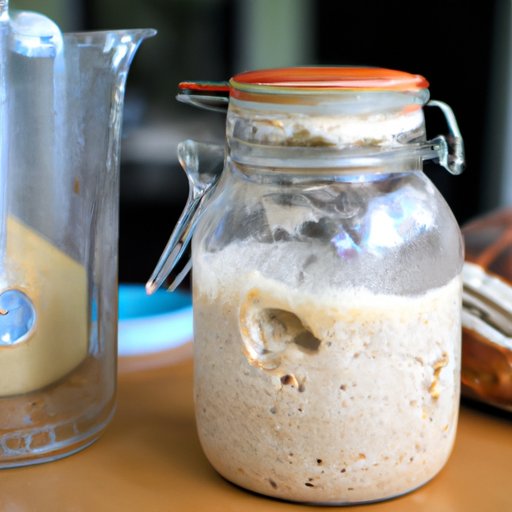
Creating a sourdough starter is a simple but rewarding process. It’s important to understand the basics of the process, including the ingredients needed and the steps involved. Here’s a guide to creating your own starter.
Understanding the Process
Making a sourdough starter requires just a few simple steps. Begin by gathering the necessary ingredients (flour, water, and yeast). Mix them together until a thick paste is formed, cover the bowl with plastic wrap or a damp towel, and let it sit at room temperature for 24 hours. After 24 hours, add a pinch of yeast to the mixture and stir to combine. Cover the bowl again and let it sit for another 24 hours. Once the starter has been created, feed it with equal parts of flour and water every 24 hours and store it in the refrigerator.
Troubleshooting Common Problems
If the starter does not seem to be fermenting, there are a few things that can be done to troubleshoot the problem. First, check the temperature of the environment where the starter is being stored. Sourdough starters prefer temperatures between 70-80 degrees Fahrenheit. If the temperature is too cold, the fermentation process will slow down. Second, check the freshness of the ingredients used to make the starter. Make sure the yeast is still active and the flour is not expired. Finally, make sure the bowl or container you’re using is clean and dry, as any bacteria or moisture can interfere with the fermentation process.
The Art of Crafting a Sourdough Starter from Scratch
Crafting a sourdough starter from scratch takes practice and patience, but the results are worth it. Here is a guide to selecting the right ingredients and techniques for crafting a starter.
Selecting the Right Ingredients
The type of flour used will affect the flavor and texture of the finished product. For best results, unbleached all-purpose flour or whole wheat flour should be used. Yeast is not required, but it will help jump-start the fermentation process. To ensure a successful starter, use only filtered or bottled water, as tap water may contain chlorine or other contaminants that could kill the yeast.
Techniques for Crafting a Starter
Once the ingredients have been gathered, the next step is to prepare the dough. Begin by mixing together equal parts of flour and water in a bowl until a thick paste is formed. Cover the bowl with plastic wrap or a damp towel and let it sit at room temperature overnight. The next day, add a pinch of yeast to the mixture and stir to combine. Cover the bowl again and let it sit for another 24 hours. Once the starter has been created, feed it with equal parts of flour and water every 24 hours and store it in the refrigerator.
Make Delicious Bread with a Homemade Sourdough Starter
Once the starter has been created, it can be used to make delicious bread. Here are some tips for using the starter in baking and some recipes for delicious bread.
Using the Starter in Baking
When using a sourdough starter in baking, it’s important to remember that the starter needs to be fed and stored properly. To feed the starter, mix equal parts of flour and water into the mixture and stir until it reaches a thick consistency. Cover the bowl with plastic wrap or a damp towel and let it sit for 24 hours. After 24 hours, discard half of the starter and repeat the process. To store the starter, transfer it to an airtight container and keep it in the refrigerator.
Recipes for Delicious Bread
Once the starter is ready, it can be used to make delicious bread. Here are a few recipes to get you started:
- Basic Sourdough Bread: Combine 1 cup of sourdough starter with 3 cups of all-purpose flour, 1 teaspoon of salt, and 1 cup of warm water. Knead the dough until it is smooth and elastic, then shape it into a loaf and let it rise in a greased bowl for 1 hour. Preheat the oven to 375 degrees Fahrenheit and bake the loaf for 40 minutes. Allow it to cool before slicing.
- Sourdough Pizza Dough: Combine 1 cup of sourdough starter with 2 cups of all-purpose flour, 1 teaspoon of sugar, and 1 teaspoon of salt. Add ¼ cup of olive oil and ½ cup of warm water and knead the dough until it is smooth. Let the dough rise in a greased bowl for 1 hour. Roll out the dough and top with your favorite toppings. Bake in a preheated oven at 425 degrees Fahrenheit for 20 minutes.
- Sourdough Pancakes: Combine 1 cup of sourdough starter with 1 cup of all-purpose flour, 1 teaspoon of sugar, and 1 teaspoon of baking powder. Add 1 egg, 1 tablespoon of melted butter, and ½ cup of milk. Whisk until the batter is smooth, then cook pancakes in a lightly greased skillet over medium heat. Serve with your favorite topping.
The Science Behind Creating a Sourdough Starter
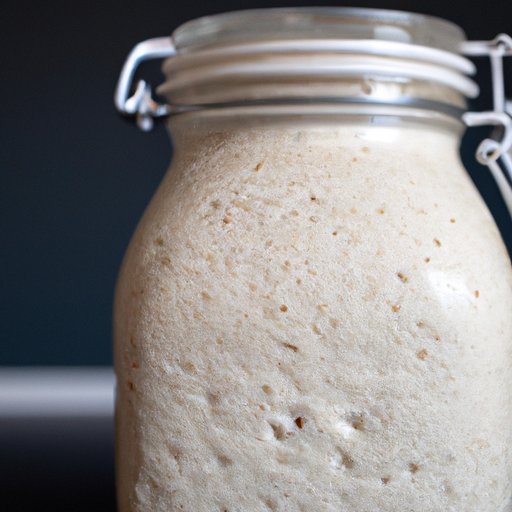
Sourdough starter is a complex mixture of microorganisms that undergoes a process of fermentation. To better understand the science behind creating a sourdough starter, it’s helpful to explore the chemistry of fermentation.
Exploring the Chemistry of Fermentation
Fermentation is a biochemical process that converts carbohydrates into alcohols or organic acids. During the fermentation process, yeast and bacteria break down the sugars in the flour and produce carbon dioxide and ethanol. The carbon dioxide is what gives sourdough bread its distinctive light and airy texture, while the ethanol gives it its unique flavor.
Applying Scientific Principles to Starter Creation
When creating a sourdough starter, it’s important to understand the scientific principles behind the fermentation process. It’s also important to use the right ingredients, such as unbleached all-purpose flour or whole wheat flour, and to use filtered or bottled water. It’s also important to keep the environment where the starter is being stored at a consistent temperature of 70-80 degrees Fahrenheit. By understanding the science behind fermentation and applying these principles to starter creation, anyone can make a delicious sourdough starter from scratch.
Unleash Your Inner Chef with Homemade Sourdough Starter
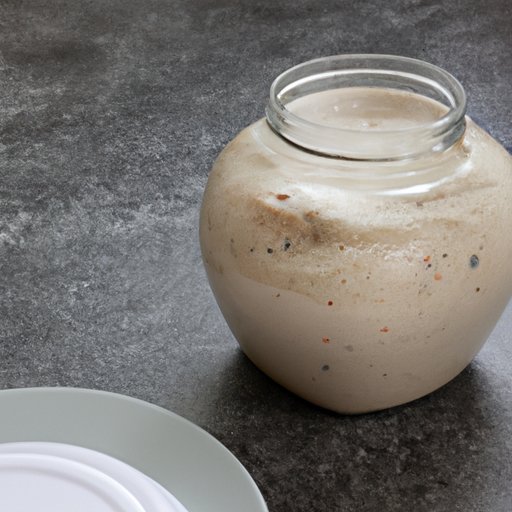
Creating a sourdough starter is a great way to unleash your inner chef. Not only can you use it to make delicious bread, but you can also use it in a variety of creative ways.
Expanding Your Culinary Skills
Creating a sourdough starter is an excellent way to expand your culinary skills. Once you’ve mastered the basics of starter creation, you can experiment with different ingredients and techniques to create unique flavors. You can also use the starter in a variety of recipes, such as pizza dough, pancakes, and English muffins.
Experiments and Ideas for Creative Uses of the Starter
Once you’ve mastered the basics of starter creation, you can start experimenting with different ingredients and techniques to create unique flavors. For example, you can try adding herbs or spices to the starter to give it a unique flavor. You can also use the starter in a variety of recipes, such as pizza dough, pancakes, and English muffins. The possibilities are endless!
Conclusion
Creating a sourdough starter from scratch is a rewarding process that requires practice and patience. The key to success is understanding the science behind fermentation and applying the correct principles to starter creation. In addition to making delicious bread, a homemade sourdough starter can be used in a variety of creative ways. With the right ingredients and techniques, anyone can make a delicious sourdough starter from scratch.
(Note: Is this article not meeting your expectations? Do you have knowledge or insights to share? Unlock new opportunities and expand your reach by joining our authors team. Click Registration to join us and share your expertise with our readers.)