
Introduction
Robots have become increasingly commonplace in our lives, from automated vacuum cleaners to robotic arms in factories. But what actually is a robot? According to Professor Alan Winfield of the Bristol Robotics Lab, a robot is “a machine that can sense its environment, think about what it senses, and act upon that information.”
The benefits of building a robot are numerous, from improving problem-solving skills to learning new technologies. It can be a rewarding experience for hobbyists, engineers, and students alike.
Step-by-Step Guide to Building a Robot
The following steps provide a guide on how to make a robot:
Identifying the Parts and Components Needed
Before you start building your robot, you need to identify the parts and components required. This includes the type of motors and sensors needed, as well as other hardware such as circuit boards and wiring. For example, if you’re building a mobile robot, you will need motors to power the wheels, a battery to supply power, and sensors to detect obstacles.
Designing a Robotic Platform
Once you’ve identified the components needed to build your robot, you can begin designing a robotic platform. This involves deciding on the size and shape of the robot, as well as the type of materials and components to be used. For example, if you’re building a humanoid robot, you may need to consider the size and shape of the body and limbs, as well as the type of servos and motors needed to move them.
Constructing the Robot
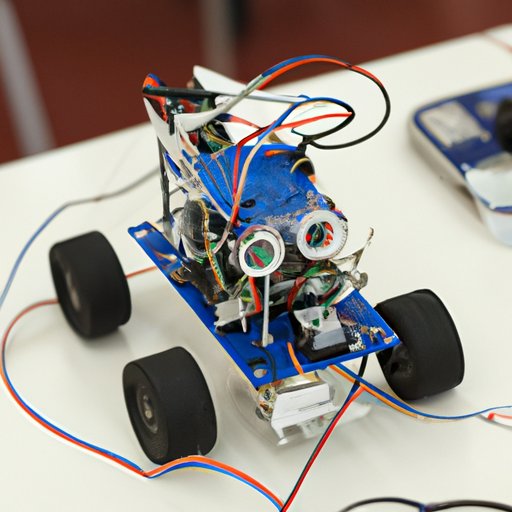
The next step is to construct the robot using the components and materials selected. This involves assembling the frame, attaching the motors and sensors, and wiring up the electronics. Depending on the complexity of the robot, this may require soldering, drilling, or cutting. If you’re unfamiliar with these processes, there are plenty of online tutorials and videos available to help.
Programming the Robot
Once the robot has been constructed, the next step is to program it to perform certain tasks. This involves selecting the right software and writing code to control the robot’s movements and functions. If you’re just starting out, there are many beginner-friendly programming languages available, such as Python or Arduino. Once the code has been written, it can be uploaded to the robot and tested.

Tips and Tricks on Constructing a Robotic Platform
When constructing a robotic platform, there are a few tips and tricks to keep in mind:
Selecting Appropriate Materials
The materials used to construct the robot should be chosen carefully, taking into account factors such as cost, durability, and weight. According to a study by the University of Tokyo, lightweight materials such as carbon fiber and aluminum are ideal for creating robots that are both strong and lightweight.
Choosing the Right Motors and Sensors
Motor and sensor selection is also important when constructing a robotic platform. Motors should be chosen based on the robot’s intended purpose and the type of movement required. For example, if the robot needs to climb stairs, a powerful motor with high torque would be needed. Similarly, sensors should be chosen based on the type of data they collect, such as distance, temperature, or pressure.
Assembling the Robot
Finally, the robot should be assembled carefully, making sure all the components are securely attached. It’s also important to double-check that all the wiring is correct, as even a small mistake can result in the robot not functioning correctly.
Programming a Robot to Perform Tasks
Once the robot has been constructed, it needs to be programmed to perform certain tasks. The following steps provide a guide on how to do this:
Finding the Right Software
The first step is to find the right software for programming the robot. There are many different types of software available, such as visual programming languages or text-based languages. For beginners, a visual programming language such as Scratch can be a good option, as it is easy to use and understand.
Programming the Robot
Once the software has been chosen, the next step is to write code to control the robot’s movements and functions. This involves setting parameters such as speed, direction, and duration. It’s important to test the code regularly to ensure it is functioning correctly.
Testing the Robot’s Functions
Once the code has been written, it needs to be tested to make sure the robot is performing its intended tasks. This involves running the code on the robot and observing its behavior. If any errors occur, the code can be tweaked until the desired behavior is achieved.
Troubleshooting Common Robot Issues
If the robot is not performing as expected, there are a few steps that can be taken to troubleshoot common issues:
Identifying Problems
The first step is to identify the source of the problem. This can be done by observing the robot’s behavior and checking the code for errors. It’s also important to check the wiring and connections to make sure everything is secure.
Diagnosing Causes
Once the source of the problem has been identified, the next step is to diagnose the cause. This can involve using debugging tools to trace the code, or checking the robot’s components for faults. It’s important to take the time to thoroughly investigate the issue before attempting to fix it.
Resolving Problems
Finally, once the cause of the problem has been identified, it can be resolved. This may involve rewriting the code, replacing faulty components, or adjusting settings. It’s important to test the robot after making any changes to make sure the issue has been resolved.
Conclusion
Building a robot can be an incredibly rewarding experience, from improving problem-solving skills to learning new technologies. The process involves identifying the parts and components needed, designing a robotic platform, constructing the robot, programming it to perform tasks, and troubleshooting common issues. By following the steps outlined in this article, you can create a functional robot of your own.
For further learning, there are many resources available online, including tutorials, videos, and forums. With practice and patience, anyone can learn how to make a robot.
(Note: Is this article not meeting your expectations? Do you have knowledge or insights to share? Unlock new opportunities and expand your reach by joining our authors team. Click Registration to join us and share your expertise with our readers.)