
Introduction
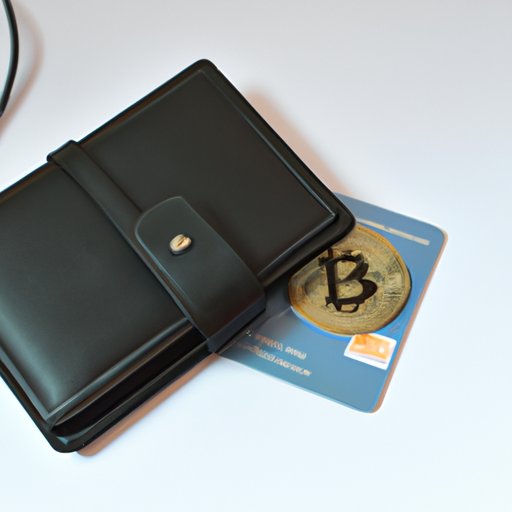
Bitcoin is a digital currency that enables users to make purchases or send money electronically. It is decentralized, meaning it is not regulated by any government or financial institution. To store and use Bitcoin, you need a Bitcoin wallet. In this article, we’ll explore what a Bitcoin wallet is and how to create one securely.
What is Bitcoin?
Bitcoin is a cryptocurrency created in 2009 by an anonymous person or group of people using the name Satoshi Nakamoto. It is a digital payment system that operates without a central bank or single administrator, making it the first decentralized digital currency. Bitcoin can be used to purchase goods and services online, as well as to transfer funds between individuals. Transactions are recorded on a public ledger called the blockchain.
What is a Bitcoin Wallet?
A Bitcoin wallet is a software program that stores Bitcoin private keys and allows users to send, receive, and monitor their Bitcoin balance. It also stores other relevant information such as transaction records and addresses. Wallets come in many different forms, including desktop, mobile, web, and hardware wallets.
Types of Bitcoin Wallets
There are several different types of Bitcoin wallets available, each with its own pros and cons. Let’s take a look at the most popular options:
Hot Wallets
Hot wallets are connected to the internet, making them vulnerable to hackers. They are easy to set up and use, but they are less secure than other wallet types. Examples of hot wallets include Coinbase, Blockchain.info, and Exodus.
Cold Storage Wallets
Cold storage wallets are offline wallets that store your private keys on a piece of hardware or paper. These wallets are more secure than hot wallets since they are not connected to the internet, but they are more difficult to set up and use. Examples of cold storage wallets include Ledger Nano S and Trezor.
Hardware Wallets
Hardware wallets are physical devices that store your private keys. They are more secure than hot wallets since they are not connected to the internet, but they are more expensive. Examples of hardware wallets include Ledger Nano S and Trezor.
Paper Wallets
Paper wallets are pieces of paper with your private keys printed on them. They are the least secure type of wallet since they can be easily lost or destroyed, but they are the cheapest option. Examples of paper wallets include Coinbase and Blockchain.info.
Steps to Create a Bitcoin Wallet
Now that you know the different types of wallets, let’s take a look at the steps involved in creating one:
1. Choose a wallet provider
The first step is to choose a wallet provider. There are many different providers to choose from, so make sure to do your research and pick one that is secure and has a good reputation.
2. Set up an account with the wallet provider
Once you have chosen a wallet provider, you will need to set up an account with them. This usually involves providing some personal information and verifying your identity.
3. Download and install the wallet application
Once you have set up your account, you will need to download and install the wallet application. This will allow you to access your wallet and manage your funds.
4. Fund your wallet
The final step is to fund your wallet. You can do this by transferring Bitcoin from another wallet or by purchasing Bitcoin from an exchange.
Storing and Securing Bitcoins
Once you have created your wallet, it is important to store and secure your Bitcoin safely. Here are some tips for doing so:
1. Encrypting your wallet
It is important to encrypt your wallet to protect it from unauthorized access. This can be done by setting a password on the wallet application.
2. Setting up two-factor authentication
Two-factor authentication adds an extra layer of security to your wallet by requiring a second form of authentication (such as a code sent to your phone) before you can access your funds.
3. Referencing transactions
When sending or receiving Bitcoin payments, it is important to reference the transaction. This ensures that the funds are going to the correct address.
Sending and Receiving Bitcoin Payments
Once you have secured your wallet, you can start sending and receiving Bitcoin payments. Here are the steps involved:
1. Getting a Bitcoin address
Before you can send or receive payments, you will need to get a Bitcoin address. This is a string of letters and numbers that acts as a unique identifier for your wallet.
2. Setting up payment requests
If you are expecting a payment, you can set up a payment request which will provide the sender with your Bitcoin address and the amount you are expecting.
3. Sending payments
To send a payment, you will need to enter the recipient’s Bitcoin address, the amount you want to send, and the transaction fee. Once you have confirmed the details, you can send the payment.
4. Receiving payments
When you receive a payment, the funds will be credited to your wallet. You can view your balance and transaction history in the wallet application.
Backing Up and Restoring a Wallet
It is also important to back up and restore your wallet in case something happens to it. Here’s how to do it:
1. Creating a backup file
You can create a backup file of your wallet by exporting a copy of your private keys. This file should be stored in a secure location.
2. Storing the backup securely
Once you have created the backup file, you should store it in a secure location such as a USB drive or an external hard drive.
3. Restoring the wallet from the backup
If something happens to your wallet, you can restore it from the backup file. All you need to do is import the backup file into the wallet application.
The Importance of Using a Secure Wallet Provider
When choosing a wallet provider, it is important to make sure that they are secure. Here are some things to look out for:
1. Data security
Make sure that the wallet provider uses strong encryption and other security measures to protect your data.
2. Protection from fraud
Look for a wallet provider that offers protection from fraud and theft. Some providers offer insurance policies to cover losses due to malicious activity.
3. Customer support
Make sure that the wallet provider offers good customer support in case you have any questions or issues.
Conclusion
In this article, we explored how to create a secure Bitcoin wallet. We looked at the different types of wallets available and the steps involved in setting up and securing your wallet, as well as storing, sending, and receiving Bitcoin payments. It is important to choose a secure wallet provider and to back up and restore your wallet in case something happens to it. With the right wallet provider and security measures in place, you can ensure that your Bitcoin is safe and secure.
(Note: Is this article not meeting your expectations? Do you have knowledge or insights to share? Unlock new opportunities and expand your reach by joining our authors team. Click Registration to join us and share your expertise with our readers.)