
Introduction
Weight loss can be a difficult process. Many people struggle to find the right balance between healthy habits and reaching their fitness goals. It is important to understand that losing weight in a healthy manner takes time, dedication, and consistency. This article will provide an overview of how to lose weight in a healthy way.

A. Introduction to the Problem
The Centers for Disease Control and Prevention (CDC) estimates that more than one-third of adults in the United States are obese. Obesity is a serious health issue that can lead to numerous physical and mental health problems. For this reason, it is important to take steps to reach and maintain a healthy weight.
B. Overview of Healthy Weight Loss
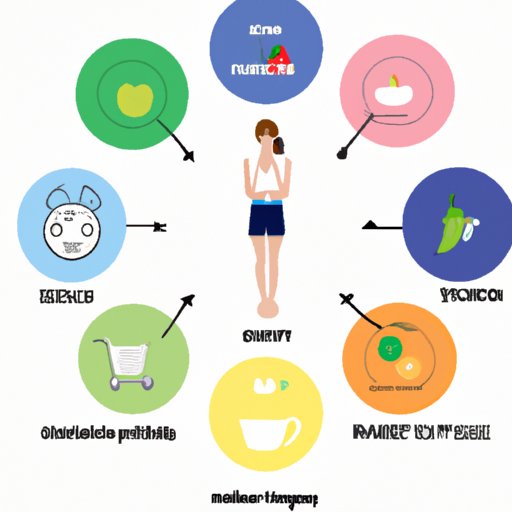
Losing weight in a healthy way requires lifestyle changes and dedication. In order to reach and maintain a healthy weight, it is important to focus on nutrition, exercise, and other lifestyle factors. This includes eating a balanced diet with plenty of fruits and vegetables, exercising regularly, reducing portion sizes, avoiding sugary drinks and snacks, and getting enough sleep each night.
I. Eat a Balanced Diet with Plenty of Fruits and Vegetables
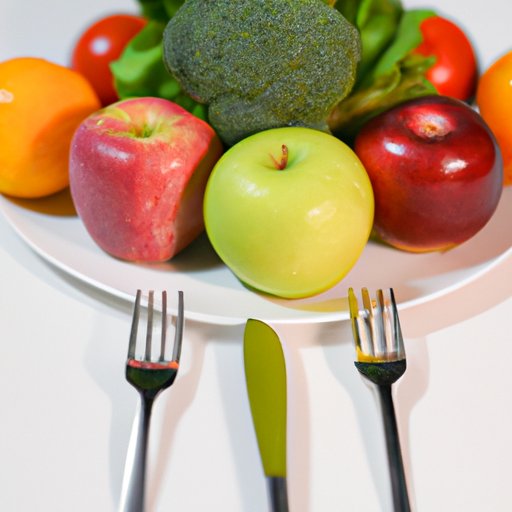
Eating a balanced diet is essential for healthy weight loss. Focus on filling your plate with nutrient-dense foods, such as fruits and vegetables, lean proteins, whole grains, and healthy fats. Eating a variety of nutritious foods helps ensure that you get all the vitamins and minerals your body needs to function properly.
A. Benefits of Eating a Balanced Diet
Eating a balanced diet has numerous benefits, including providing your body with the nutrients it needs to stay healthy, boosting your energy levels, and helping you to maintain a healthy weight. Additionally, according to a study published in the British Journal of Nutrition, following a healthy eating pattern was found to reduce the risk of obesity, type 2 diabetes, and cardiovascular disease.
B. How to Choose Nutritious Foods
When shopping for groceries, opt for fresh, unprocessed foods whenever possible. Try to select foods that are high in fiber, protein, and healthy fats, and low in added sugars and sodium. Additionally, try to limit your intake of refined carbohydrates, such as white bread, pasta, and rice, as these can cause spikes in blood sugar levels.
II. Exercise Regularly
In addition to eating a healthy diet, regular physical activity is essential for maintaining a healthy weight. Aim for at least 30 minutes of exercise each day, but keep in mind that any amount of physical activity is beneficial.
A. Benefits of Regular Exercise
Regular exercise has numerous benefits, including improving cardiovascular health, strengthening bones and muscles, and boosting mood. Additionally, according to a study published in the American Journal of Physiology, engaging in regular exercise was found to reduce excess body fat and improve metabolic health.
B. Types of Exercises to Consider
When it comes to choosing an exercise routine, it is important to pick activities that you enjoy. This could include walking, jogging, cycling, swimming, or even dancing. You may also want to consider strength training exercises, such as lifting weights, to build muscle and burn fat.
III. Reduce Portion Sizes
Overeating can lead to weight gain, so it is important to pay attention to portion sizes. When dining out, try to opt for smaller portions or share a meal with a friend. At home, use smaller plates and bowls to help control the amount of food you eat.
A. Benefits of Reducing Portion Sizes
Reducing portion sizes can help you to consume fewer calories, which can help you reach and maintain a healthy weight. Additionally, according to a study published in the Journal of the American Medical Association, reducing portion sizes was found to be an effective strategy for managing body weight.
B. Tips for Reducing Portion Sizes
When reducing portion sizes, it is important to focus on quality over quantity. Instead of eating large amounts of processed foods, choose healthier options, such as fruits, vegetables, and lean proteins. Additionally, try to avoid going back for seconds and practice mindful eating by paying attention to how full you feel.
IV. Avoid Sugary Drinks and Snacks
Sugary drinks and snacks can add unnecessary calories to your diet, making it more difficult to reach your weight loss goals. Try to limit your consumption of sugary beverages, such as soda and juice, and opt for healthier snacks, such as nuts, fruit, and yogurt.
A. Reasons to Avoid Sugary Drinks and Snacks
Consuming too many sugary drinks and snacks can lead to weight gain and increase your risk of developing type 2 diabetes and heart disease. Additionally, according to a study published in the American Journal of Clinical Nutrition, consuming sugary beverages was linked to an increased risk of obesity in both adults and children.
B. Substitutes for Sugary Drinks and Snacks
Instead of sugary drinks, try drinking water, unsweetened tea, or sparkling water. For snacks, opt for healthier alternatives, such as nuts, seeds, fruits, and vegetables. Additionally, if you are craving something sweet, try dark chocolate or a piece of fruit.

V. Get Enough Sleep Each Night
Getting enough sleep is essential for overall health and wellbeing. Adults should aim for 7-9 hours of sleep each night, while children and teenagers need more. Poor sleep can lead to weight gain, so it is important to prioritize rest.
A. Benefits of Getting Adequate Sleep
Getting enough sleep has numerous benefits, including improved concentration, better memory, and enhanced mood. Additionally, according to a study published in the Annals of Internal Medicine, getting sufficient sleep was found to reduce the risk of obesity.
B. Tips for Getting Enough Sleep
To ensure that you get enough sleep each night, establish a consistent sleep schedule and stick to it. Additionally, try to avoid screens before bed, as the blue light emitted from devices can interfere with sleep. Finally, make sure that your bedroom is dark and quiet to promote a restful environment.
Conclusion
Weight loss is a complex process that involves making lifestyle changes. In order to lose weight in a healthy way, it is important to focus on nutrition, exercise, and other lifestyle factors. This includes eating a balanced diet with plenty of fruits and vegetables, exercising regularly, reducing portion sizes, avoiding sugary drinks and snacks, and getting enough sleep each night. By following these guidelines, you can reach and maintain a healthy weight.
of Healthy Weight Loss
Healthy weight loss requires dedication and consistency. To achieve your fitness goals in a safe and effective manner, focus on eating a balanced diet with plenty of fruits and vegetables, exercising regularly, reducing portion sizes, avoiding sugary drinks and snacks, and getting enough sleep each night.
B. Closing Remarks
Reaching and maintaining a healthy weight is an achievable goal. With dedication and consistency, you can make positive lifestyle changes that will help you reach your fitness goals. Remember to be patient with yourself and celebrate small victories along the way.
(Note: Is this article not meeting your expectations? Do you have knowledge or insights to share? Unlock new opportunities and expand your reach by joining our authors team. Click Registration to join us and share your expertise with our readers.)