
Introduction
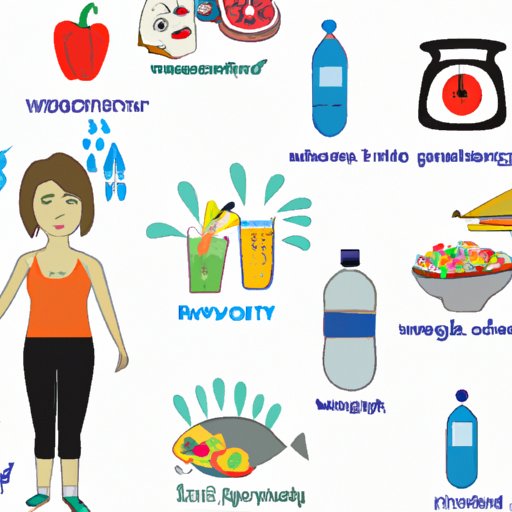
Losing weight can be a difficult process, but it’s important that it’s done in a healthy manner. Healthy weight loss is defined as losing weight without sacrificing your overall health, which includes avoiding extreme diets or quick fixes that lead to rapid weight loss. There are many benefits to losing weight healthfully, including improved heart health, increased energy levels, and better sleep quality.
Create a Healthy Eating Plan
The first step to losing weight healthfully is to create a meal plan that focuses on whole foods. Whole foods are unprocessed foods that are as close to their natural state as possible. Examples of whole foods include fruits, vegetables, nuts, seeds, beans, and legumes. When developing your meal plan, make sure to include a variety of whole foods, as different foods offer different vitamins and minerals.
In addition to focusing on whole foods, you should also track your calorie intake. It’s important to make sure you’re not consuming too few calories, as this can cause your metabolism to slow down and make it harder to lose weight. Aim to consume enough calories to support your physical activity level while still creating a caloric deficit. If you need help calculating your calorie needs, there are plenty of online calculators available.
Finally, try to avoid ultra-processed foods. These are foods that have been heavily processed and often contain added sugar, unhealthy fats, and artificial ingredients. Studies have found that people who eat more ultra-processed foods tend to gain more weight than those who don’t. Therefore, it’s important to limit these types of foods as much as possible.
Increase Physical Activity
In addition to eating a healthy diet, it’s also important to incorporate regular physical activity into your lifestyle. This doesn’t mean you have to spend hours at the gym each day; even small amounts of physical activity can have a positive effect on your health. Aim to get at least 150 minutes of moderate intensity physical activity each week, such as walking, cycling, or swimming.
When choosing activities, make sure to pick ones that you enjoy. If you don’t like running, don’t force yourself to do it. Instead, find activities that you look forward to doing, such as dancing or playing sports. Additionally, make sure to include some aerobic exercise into your routine, as this type of exercise can help you burn more calories.
Track Your Progress
It’s important to track your progress as you work towards your weight loss goals. This will help keep you motivated and on track. You can use an app or a journal to track your progress; both are effective ways to monitor your progress. Make sure to measure progress in multiple ways, such as tracking your weight, body measurements, and how you feel. Don’t just focus on the numbers; celebrate successes, no matter how small.
Drink Plenty of Water
Staying hydrated is essential for healthy weight loss. Aim to drink 8 glasses of water each day, or about 2 liters. Water can help you feel fuller and reduce hunger, so drinking it before meals can help you consume fewer calories. Additionally, replace sugary drinks with water. Sugary drinks are high in calories and offer no nutritional value, so they should be avoided.
Get Enough Sleep
Getting enough sleep is also important when it comes to healthy weight loss. Studies have found that people who don’t get enough sleep tend to weigh more than those who do. Aim to get at least 7 hours of sleep each night. To ensure you get enough sleep, turn off electronics at least an hour before bed and establish a relaxing nighttime routine.
Limit Processed Foods
As mentioned earlier, it’s important to limit processed foods when trying to lose weight healthfully. When grocery shopping, read labels carefully and look for added sugar, unhealthy fats, and artificial ingredients. Additionally, avoid processed snacks, such as chips, cookies, and candy. These foods are high in calories and offer little to no nutritional value.
Reduce Stress Levels
Lastly, it’s important to reduce stress levels. Stress can lead to unhealthy habits, such as overeating and skipping workouts. Therefore, it’s important to take steps to reduce your stress levels. Incorporate stress-relieving activities into your daily routine, such as yoga or meditation. Additionally, practice mindfulness and take time for yourself.
Conclusion
Losing weight healthfully requires dedication and perseverance, but it’s worth it in the end. By following these tips, you can safely reach your weight loss goals. Create a healthy eating plan that focuses on whole foods, increase your physical activity, track your progress, drink plenty of water, get enough sleep, limit processed foods, and reduce stress levels. Keep working hard, and you’ll be able to reach your goals.
(Note: Is this article not meeting your expectations? Do you have knowledge or insights to share? Unlock new opportunities and expand your reach by joining our authors team. Click Registration to join us and share your expertise with our readers.)