
Introduction
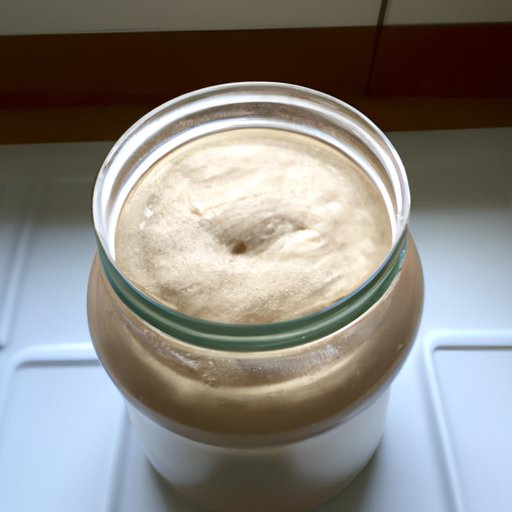
Sourdough starter is a fermented mixture of flour and water that is used to make bread. It contains wild yeasts and bacteria that interact with the flour and water to produce lactic acid and carbon dioxide. This process results in a flavorful dough that has a unique texture and flavor. In this article, we’ll explore how to keep sourdough starter healthy and active.
Feed Regularly
In order to keep your sourdough starter alive and active, you need to feed it regularly. The frequency of feeding depends on the activity of the starter; if it’s active, it should be fed every 12-24 hours. If it’s less active, it can be fed every 48-72 hours. When feeding your starter, use unbleached all-purpose flour or bread flour. For each cup of starter, add about ½ cup of flour and ¾ cup of filtered water. Mix until combined and let sit at room temperature for 12-24 hours before using.
Monitor Hydration Level
Sourdough starters come in different consistencies, from thick and sticky to thin and pourable. Depending on the consistency, you may need to adjust the amount of water you add when feeding. If the starter is too thick, add more water; if it’s too thin, add more flour. You should also stir the starter before measuring to get an accurate measurement.
Use Filtered Water
It’s important to use filtered water when feeding your sourdough starter. Hard water can affect the flavor of the starter and can even kill off beneficial bacteria. If you don’t have access to filtered water, you can use bottled spring water instead.
Avoid Temperature Extremes
The ideal temperature range for sourdough starter is between 70-80°F. Extreme temperatures can kill off beneficial bacteria, so avoid placing your starter in direct sunlight or near a heat source. If the environment is too cold, move the starter to a warmer area.
Use a Glass Container
When storing your sourdough starter, it’s best to use a glass container. Plastic containers can absorb odors and flavors, while glass containers do not. Make sure the container is large enough to accommodate the expanding starter as it ferments.
Store in the Fridge
If you’re not planning to use your starter for a few days or weeks, it’s best to store it in the fridge. The cold temperature slows down the fermentation process and prevents the starter from becoming overactive. Before using the starter, let it sit at room temperature for at least 8 hours to reactivate.
Discard and Refresh
Every few weeks, you should discard some starter and refresh it with fresh flour and water. This helps to ensure that the starter stays healthy and active. Discard at least half of the starter and then refresh with equal amounts of flour and water.
Conclusion
Following these tips will help to keep your sourdough starter healthy and active. Regular feeding and proper storage are essential for keeping the starter alive and healthy. Monitoring the hydration level, avoiding temperature extremes, and discarding and refreshing are also important for maintaining a healthy starter. With the right care and attention, your sourdough starter can last for years.
(Note: Is this article not meeting your expectations? Do you have knowledge or insights to share? Unlock new opportunities and expand your reach by joining our authors team. Click Registration to join us and share your expertise with our readers.)