

Introduction
Getting water stuck in your ear can be an uncomfortable experience. It can also damage your hearing if left untreated. Fortunately, there are several simple solutions you can try to get the water out. In this article, we’ll explore six easy methods that you can use to get water out of your ear.
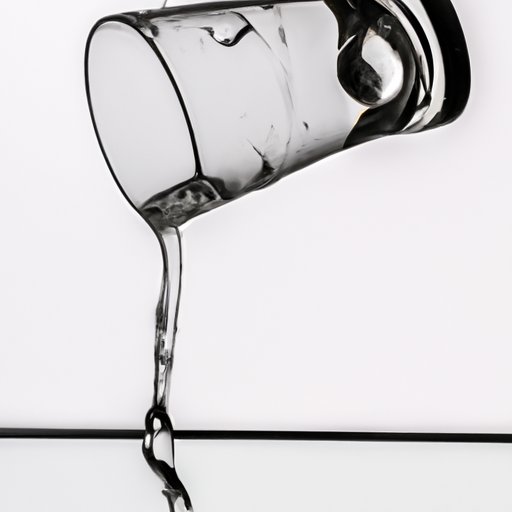
Tilting your Head to the Side and Allowing Gravity to Pull the Water Out
The simplest way to get water out of your ear is to tilt your head to the side and allow gravity to do its work. Here’s how to do it:
- Tilt your head to the side so that the affected ear is facing downwards.
- Gently tug on the outer part of your ear to straighten out your ear canal.
- Allow gravity to pull the water out of your ear.
- Once the water has drained out, tilt your head back up and use a soft cloth to dry your ear.
The benefit of this method is that it’s quick and easy. It’s also completely safe as long as you don’t force your ear too much or put any objects inside your ear.
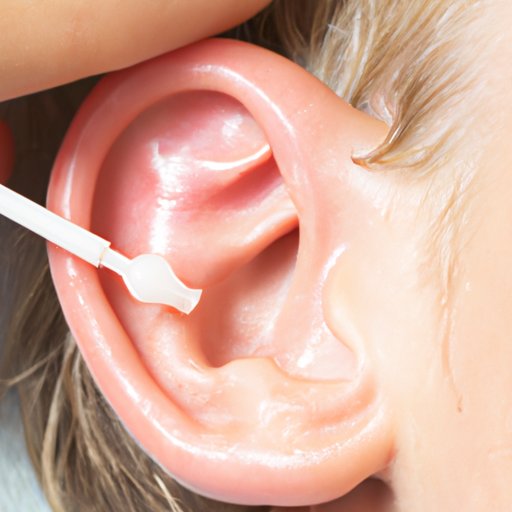
Using a Dropper to Fill the Ear with Hydrogen Peroxide and Draining it Out
Another way to get water out of your ear is to use a dropper to fill the ear with hydrogen peroxide and then drain it out. Here’s how to do it:
- Fill a dropper with hydrogen peroxide.
- Tilt your head to the side so that the affected ear is facing upwards.
- Gently squeeze the dropper so that two to three drops of hydrogen peroxide enter your ear.
- Allow the hydrogen peroxide to sit in your ear for five minutes.
- Tilt your head so that the affected ear is facing downwards and gently tug on the outer part of your ear to straighten out your ear canal.
- Allow the hydrogen peroxide to drain out of your ear, along with the water.
- Once the hydrogen peroxide has drained out, tilt your head back up and use a soft cloth to dry your ear.
The benefit of this method is that the hydrogen peroxide helps to break down and remove any earwax that may be blocking the water from draining out.

Holding a Warm Cloth Against the Ear
You can also try holding a warm cloth against your ear to help loosen the water and facilitate its drainage. Here’s how to do it:
- Soak a soft cloth in warm water.
- Squeeze the cloth lightly to remove excess water.
- Hold the cloth against your ear for five minutes.
- Tilt your head to the side so that the affected ear is facing downwards and gently tug on the outer part of your ear to straighten out your ear canal.
- Allow the water to drain out of your ear.
- Once the water has drained out, tilt your head back up and use a soft cloth to dry your ear.
The benefit of this method is that the warmth of the cloth can help loosen the water and make it easier to drain out.
Doing a Forward-Leaning Exercise Like Touching Your Toes
Another way to get water out of your ear is to do a forward-leaning exercise like touching your toes. Here’s how to do it:
- Stand up and place your feet shoulder-width apart.
- Bend over and touch your toes while keeping your knees slightly bent.
- Hold this position for five seconds.
- Stand up and tilt your head to the side so that the affected ear is facing downwards and gently tug on the outer part of your ear to straighten out your ear canal.
- Allow the water to drain out of your ear.
- Once the water has drained out, tilt your head back up and use a soft cloth to dry your ear.
The benefit of this method is that the forward-leaning position helps to create pressure in your ear canal which can help push the water out.
Using a Vacuum Cleaner on Low Suction to Draw the Water Out
If all else fails, you can try using a vacuum cleaner on low suction to draw the water out. Here’s how to do it:
- Attach the vacuum hose to the vacuum cleaner.
- Turn the vacuum cleaner on and set it to low suction.
- Place the end of the hose near the opening of the affected ear.
- Allow the vacuum cleaner to draw the water out of your ear.
- Once the water has been drawn out, turn off the vacuum cleaner and use a soft cloth to dry your ear.
The benefit of this method is that it can be very effective at removing large amounts of water quickly.
Using an Over-the-Counter Ear Wax Removal Kit
Finally, if the water is trapped behind a buildup of earwax, you can try using an over-the-counter earwax removal kit. Here’s how to do it:
- Follow the instructions on the earwax removal kit to soften the earwax.
- Tilt your head to the side so that the affected ear is facing downwards and gently tug on the outer part of your ear to straighten out your ear canal.
- Allow the softened earwax and water to drain out of your ear.
- Once the earwax and water have drained out, tilt your head back up and use a soft cloth to dry your ear.
The benefit of this method is that it can help to remove stubborn earwax that is blocking the water from draining out.
Conclusion
In conclusion, getting water out of your ear can be a tricky task. Fortunately, there are several simple solutions that you can try. From tilting your head to the side and allowing gravity to pull the water out, to using a dropper to fill the ear with hydrogen peroxide and draining it out, to holding a warm cloth against the ear, to doing a forward-leaning exercise like touching your toes, to using a vacuum cleaner on low suction to draw the water out, and finally, to using an over-the-counter ear wax removal kit, there are many ways to get the water out of your ear.
(Note: Is this article not meeting your expectations? Do you have knowledge or insights to share? Unlock new opportunities and expand your reach by joining our authors team. Click Registration to join us and share your expertise with our readers.)