
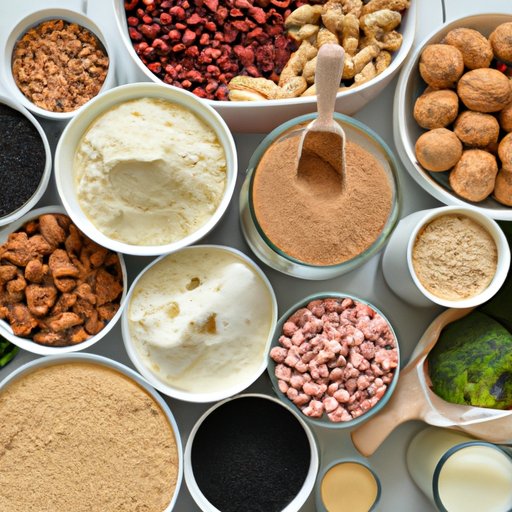

How to Get Protein Without Eating Meat
Protein is an essential nutrient that plays a crucial role in the growth and maintenance of our bodies. It helps build and repair muscle, aids in digestion, and helps transport oxygen throughout our bodies. For those who don’t eat meat, getting enough protein can be a challenge. Fortunately, there are many alternative sources of protein that can provide the necessary nutrients without requiring you to eat meat.
In this article, we will explore seven ideas for getting protein without eating meat. We will discuss the benefits of each source of protein and offer tips on how to incorporate them into meals and snacks. Read on to learn more about how to get protein without eating meat.
I. Eating Legumes
Legumes are a great source of plant-based protein. Examples of legumes include beans, lentils, and chickpeas. They are high in fiber, which helps keep you feeling full longer and can aid in weight loss. Legumes also contain important vitamins and minerals, including iron, magnesium, and B vitamins.
There are many ways to incorporate legumes into your diet. You can add them to soups and stews, use them as a base for veggie burgers, or simply enjoy them on their own as a side dish. You can also mash them up and use them as a spread or dip. The possibilities are endless!
II. Enjoy Dairy Products
Dairy products are another excellent source of protein. Milk, yogurt, and cheese are all rich sources of protein, as well as calcium, phosphorus, and Vitamin D. Dairy products are also a good source of probiotics, which can help support digestive health.
You can add dairy products to smoothies, enjoy Greek yogurt as a snack, or use cheese to top salads and sandwiches. Cheese is also a great addition to omelets and frittatas. Try experimenting with different types of cheeses to switch things up and find new flavors.
III. Consume Whole Grains
Whole grains are another great source of plant-based protein. Examples of whole grains include oats, quinoa, and brown rice. Whole grains are high in fiber and can help reduce cholesterol levels. They are also a good source of B vitamins, which are important for energy production.
You can add whole grains to salads, soups, and casseroles. You can also enjoy them as a side dish or use them to make homemade granola bars. Quinoa is especially versatile and can be used in sweet or savory dishes.
IV. Snack on Nuts and Seeds
Nuts and seeds are packed with protein, healthy fats, and other essential nutrients. Examples of nuts and seeds include almonds, walnuts, chia seeds, and pumpkin seeds. They are also a good source of fiber and can help lower cholesterol levels.
You can snack on nuts and seeds as they are, add them to salads and yogurt, or use them to make your own nut butter. You can also sprinkle them over oatmeal, cereal, and smoothie bowls for an extra boost of protein. Just remember to watch your portion sizes, as nuts and seeds are high in calories.

V. Incorporate Eggs into Meals and Snacks
Eggs are a great source of protein and contain all nine essential amino acids. They are also a good source of vitamin D, which helps with bone health. Eggs are low in calories and can help keep you feeling full longer.
You can enjoy eggs in a variety of ways. Scramble them for breakfast, add them to salads and sandwiches, or use them to make delicious omelets and frittatas. Hard-boiled eggs are also a great snack option.
VI. Try Plant-Based Meat Alternatives
Plant-based meat alternatives are becoming increasingly popular. Examples of plant-based meat alternatives include tofu, tempeh, and seitan. They are high in protein and contain essential vitamins and minerals, such as iron and zinc. Plant-based meat alternatives are also low in saturated fat and cholesterol.
You can use plant-based meat alternatives in a variety of ways. Crumble tofu and use it as a taco filling, bake tempeh for a crunchy snack, or use seitan to make veggie burgers. You can also use plant-based meat alternatives to replace ground beef in recipes such as chili and pasta sauces.

VII. Add Protein Powder to Smoothies or Shakes
Protein powder is a convenient way to get a quick protein boost. There are various types of protein powder, such as whey, soy, and pea protein. Protein powder is a good source of amino acids and can help build lean muscle. It can also help with weight loss and may reduce hunger cravings.
You can add protein powder to smoothies, shakes, and even baked goods. It can also be used as a topping for oatmeal and yogurt. Experiment with different flavors to find one that you like the best.
Conclusion
Getting enough protein without eating meat can be tricky, but it is possible. There are many alternative sources of protein, such as legumes, dairy products, whole grains, nuts and seeds, eggs, plant-based meat alternatives, and protein powder. With a little creativity, you can easily incorporate these foods into your meals and snacks to ensure that you are getting the necessary nutrients.
(Note: Is this article not meeting your expectations? Do you have knowledge or insights to share? Unlock new opportunities and expand your reach by joining our authors team. Click Registration to join us and share your expertise with our readers.)