
Introduction
Golf is a sport that requires precision, focus, and the right equipment. The first step in finding the perfect set of clubs is getting properly fitted. But what does it mean to be “fitted” for golf clubs? Simply put, club fitting is the process of selecting the best golf clubs for an individual based on their body size, strength, and swing type.
Having the right clubs can make a big difference in your game, as it can help you hit the ball farther and more accurately. According to a study by the University of Minnesota Duluth, golfers who are custom-fitted for their clubs tend to have better accuracy and distance control. Getting fitted can also help reduce the risk of injury and fatigue, as it helps you choose clubs that are the right size and weight for your body.

Research Different Types of Golf Clubs
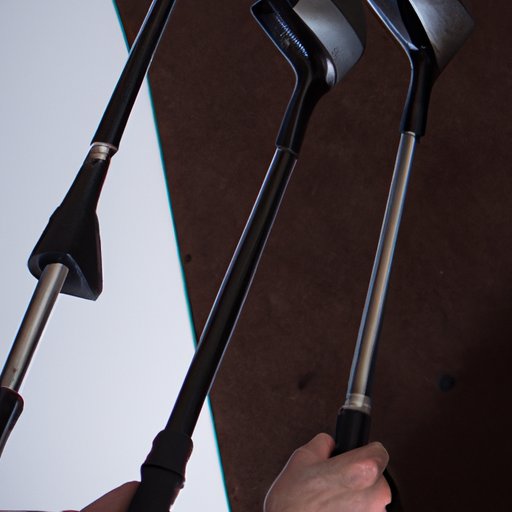
Before you get fitted, it’s important to understand the different types of golf clubs available. There are drivers, fairway woods, hybrids, irons, wedges, and putters, each of which serve a different purpose. Drivers are typically used for long-distance shots, while irons are typically used for mid-range shots. Wedges and putters are used for short-distance shots and putting, respectively.
It’s also important to consider your skill level and swing type. Are you a beginner or an experienced golfer? Are you a right-handed or left-handed player? Do you prefer a traditional or modern club design? Answering these questions will help you narrow down your choices and make the fitting process easier.

Visit a Golf Pro for Professional Fitting
Once you’ve done your research, it’s time to visit a professional club fitter. Identifying a reputable club fitter is key, as they’ll be able to provide you with expert advice and help you choose the best clubs for your game. When you meet with the fitter, discuss your goals and the type of clubs you’re interested in. The fitter will then measure your height, arm length, hand size, and other physical attributes to ensure you’re getting the right fit.
The fitter will also analyze your swing and recommend clubs that are suited for your swing speed and style. According to Golf Digest, “A good club fitter will ask questions about your game, observe your swing, test your current clubs, and evaluate your physical attributes before recommending a set of clubs that’s tailored to your abilities.”
Consider Your Physical Attributes
Your physical attributes play a major role in determining which clubs you should get. Your body size and strength will determine the size and weight of the clubs you need. For example, if you’re a tall, strong golfer, you may need longer and heavier clubs than a shorter, weaker golfer. Additionally, your swing speed and hand size will influence the shaft flex and grip size you need.
The fitter will take all of these factors into consideration when recommending clubs, so be sure to communicate any preferences you may have. According to Golf Digest, “If the recommended clubs don’t feel comfortable, speak up. A good fitter will adjust the specs until you’re satisfied.”
Test Drive Before You Buy
Once you’ve narrowed down your choices, it’s time to try out different brands and models. Test driving clubs is an important part of the fitting process, as it allows you to get a feel for the clubs and see how they perform on the course. If possible, take advantage of trial periods and demo days to try out different clubs before making a purchase.
When testing the clubs, keep an eye out for any signs of wear and tear, as this could indicate a problem with the club’s construction or quality. Additionally, pay attention to how the club feels in your hands. Does it feel too heavy or too light? Is the grip comfortable? Does the club head feel balanced? These are all important factors to consider when selecting the right clubs.

Monitor Your Performance with New Clubs
Once you’ve purchased the clubs, it’s important to monitor your performance and compare it to your previous results. Using a launch monitor or Trackman system can help you track your progress and identify any areas where you need to improve. Analyzing your results can also help you determine if the clubs you chose are the right fit for your game.
Keep in mind that the fitting process doesn’t end after you buy the clubs. As your game evolves, you may need to make adjustments to your clubs to ensure they’re still the right fit. Consulting a professional fitter every few years is a good way to ensure you’re still playing with the best clubs for your game.
Conclusion
Getting properly fitted for golf clubs is essential for any golfer looking to improve their game. The fitting process involves researching different types of clubs, visiting a golf pro for professional fitting, considering your physical attributes, test driving before you buy, and monitoring your performance with new clubs.
By taking the time to get fitted for the right clubs, you can maximize your performance and have more fun on the course. So if you’re serious about improving your game, don’t hesitate to invest in a proper fitting session.
(Note: Is this article not meeting your expectations? Do you have knowledge or insights to share? Unlock new opportunities and expand your reach by joining our authors team. Click Registration to join us and share your expertise with our readers.)