

Introduction
As parents, we want to ensure that our babies are healthy and getting the nutrition they need to grow and develop. One of the most important steps in achieving this goal is transitioning them to solid food. But how do you go about doing that? In this article, we’ll explore some tips and strategies for encouraging your baby to eat solid food.
Definition of Solid Food
When it comes to feeding your baby, “solid food” refers to any food that isn’t liquid or pureed. This includes mashed potatoes, cheese, yogurt, oatmeal, and other soft foods that can easily be chewed and swallowed. While there’s no single “right” age to start introducing solid food to your baby, most experts recommend waiting until 6 months old.
Overview of the Issue
Transitioning to solid food can be a challenging process for both parents and babies. It’s normal for babies to be hesitant to try new foods, and it can take some time for them to adjust to the texture and taste of solid foods. That’s why it’s important to have a plan and approach this transition in a way that makes it as easy and enjoyable as possible for your baby.
Start with a Small Amount of Food at Each Meal
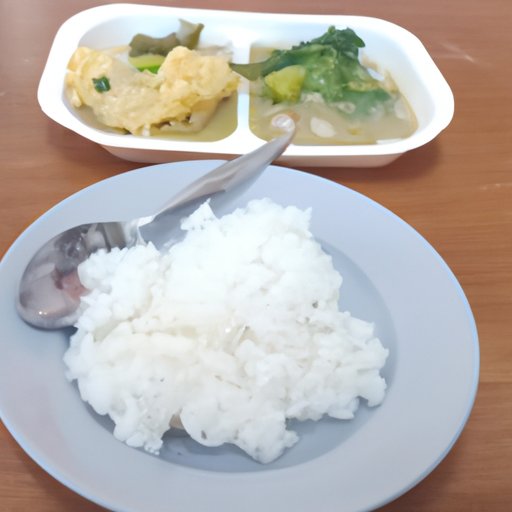
When starting out, it’s best to offer your baby only a small amount of food at each meal. Doing so will help ensure that your baby doesn’t get overwhelmed by the new tastes and textures they’re trying. It also helps to make sure that they don’t fill up too quickly and lose interest in eating.
Benefits of Small Portions
Offering small portions of food has several benefits. First, it allows your baby to become familiar with the taste and texture of the food without feeling overwhelmed. Second, it helps to avoid overeating, which can lead to digestive issues like constipation. Lastly, it can help to reduce the risk of choking, since smaller pieces are easier to swallow.
Tips for Introducing Small Amounts of Food
- Start with small spoonfuls of food and gradually increase the portion size as your baby gets used to the taste and texture.
- Offer a variety of foods and let your baby decide which ones they like and don’t like.
- Don’t worry if your baby doesn’t finish all of the food. Just offer them a few bites and wait for them to express interest in more.
- If your baby seems to be full after a few bites, don’t force them to eat more. Let them take a break and try again later.

Introduce One New Food at a Time
When introducing solid food, it’s best to start with one food at a time. This allows you to keep track of any potential allergies or food sensitivities, as well as gauge your baby’s preference for certain flavors and textures.
Benefits of Introducing One New Food at a Time
Introducing one new food at a time has several benefits. First, it helps you to identify any potential allergies or food sensitivities your baby may have. Second, it allows you to observe your baby’s reaction to the new food and determine whether or not they like it. Lastly, it gives your baby time to adjust to the new taste and texture before moving on to the next food.
Tips for Introducing New Food
- Start with a single food and wait a few days before introducing another.
- Offer only a small amount of the new food to avoid overwhelming your baby.
- Observe your baby’s reactions to the new food and note any changes in their behavior or appetite.
- If your baby appears to dislike the new food, wait a few days before trying again.
Offer Finger Foods to Encourage Self-Feeding
Once your baby has adjusted to the taste and texture of solid food, you can begin offering them finger foods. Finger foods are easy for babies to pick up and eat on their own, which encourages them to practice their self-feeding skills.
Benefits of Finger Foods
Finger foods have several benefits. First, they allow your baby to practice their self-feeding skills, which can help to develop their hand-eye coordination. Second, they give your baby more control over what and how much they’re eating. Lastly, they can make mealtime more fun and enjoyable for your baby.
Tips for Offering Finger Foods
- Offer a variety of soft, bite-sized foods that your baby can easily pick up and chew.
- Encourage your baby to feed themselves and use positive reinforcement when they do.
- Be patient and don’t expect your baby to master the art of self-feeding right away.
- Stay close by in case your baby needs help or has difficulty picking up the food.
Let Them Explore Different Textures and Flavors
Exploring different textures and flavors is an important part of learning to enjoy solid food. As your baby becomes more comfortable with the taste and texture of solid food, you can begin to introduce them to more complex textures and flavors. This will help them to become more adventurous and open to trying new things.
Benefits of Exploring Different Textures and Flavors
Exploring different textures and flavors has several benefits. First, it helps your baby to become more adventurous and willing to try new things. Second, it can help them to develop a wider range of tastes and preferences. Lastly, it can make mealtime more interesting and enjoyable for your baby.
Tips for Introducing New Textures and Flavors
- Start with simple textures and flavors and gradually increase the complexity as your baby adjusts.
- Offer a variety of different foods and let your baby decide which ones they like and don’t like.
- Allow your baby to explore and play with their food rather than expecting them to eat it all.
- Be patient and don’t pressure your baby to eat something if they don’t seem interested.
Use Distractions Like Toys or Stories During Meals
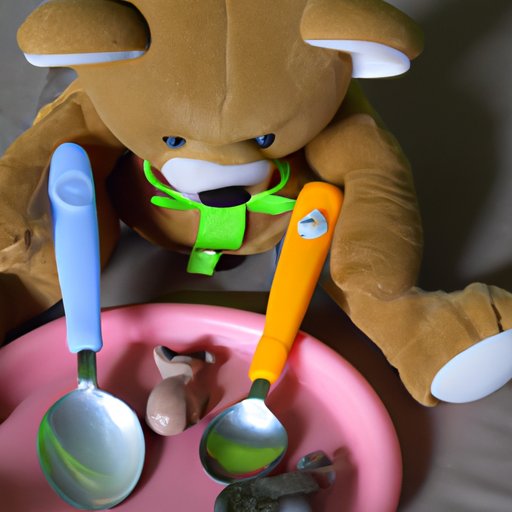
Using distractions during meals can help to keep your baby engaged and encourage them to eat. This could include playing with toys, reading stories, or watching videos. Anything that keeps your baby occupied and interested in their food can be beneficial.
Benefits of Using Distractions
Using distractions has several benefits. First, it can help to keep your baby focused and engaged during meals. Second, it can help to make mealtime more enjoyable and less stressful. Lastly, it can help to prevent boredom and encourage your baby to eat more.
Tips for Using Distractions
- Choose a distraction that your baby enjoys and rotate between different ones.
- Keep the distraction within reach so that your baby can access it easily.
- Avoid using electronics as a distraction and focus on toys, books, and other activities.
- Be mindful of how much time your baby spends distracted and make sure they’re still eating.
Be Patient and Don’t Force Them to Eat
It’s important to remember that transitioning to solid food is a process. Your baby won’t become a pro overnight, and it may take some time for them to adjust to the taste and texture of solid foods. That’s why it’s important to be patient and not force your baby to eat.
Benefits of Being Patient
Being patient has several benefits. First, it allows your baby to become familiar with the new tastes and textures without feeling overwhelmed. Second, it prevents you from putting too much pressure on your baby, which can make them resistant to trying new things. Lastly, it helps to create a positive environment for your baby to learn and explore.
Tips for Avoiding Forcing Them to Eat
- Avoid pressuring your baby to finish all of their food.
- If your baby doesn’t seem interested in a particular food, don’t force them to eat it.
- Be supportive and encouraging and use positive reinforcement when your baby tries new foods.
- If your baby refuses to eat, give them a break and try again later.
Conclusion
Transitioning to solid food can be a daunting task for both parents and babies. However, with the right approach and some patience, you can make the process easier and more enjoyable for everyone involved. Start with small portions, introduce one new food at a time, offer finger foods to encourage self-feeding, let them explore different textures and flavors, use distractions like toys or stories, and be patient. With these helpful tips, you can help your baby adjust to solid food and get the nutrition they need to grow and develop.
(Note: Is this article not meeting your expectations? Do you have knowledge or insights to share? Unlock new opportunities and expand your reach by joining our authors team. Click Registration to join us and share your expertise with our readers.)