
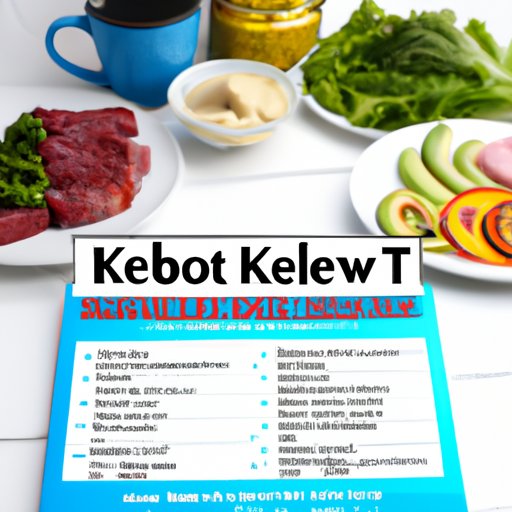
Introduction
The ketogenic or “keto” diet is a high-fat, very low-carbohydrate diet that has become increasingly popular in recent years. Proponents of the keto diet claim it can help with weight loss, reduce blood sugar levels, and increase energy levels. While there is some evidence to suggest that a keto diet may be beneficial in certain contexts, it is important to understand both the process and potential risks associated with following this type of diet.
Definition of Keto Diet
The ketogenic diet is a way of eating that encourages the body to use fat as its main source of energy, rather than carbohydrates. This is achieved by drastically reducing carbohydrate intake and replacing it with fat. When carbohydrates are scarce, the body begins to break down stored fat into molecules called ketones, which can then be used as an alternative energy source. As a result, the body enters a metabolic state known as ketosis.
Benefits of Following a Keto Diet
Proponents of the keto diet claim that it can provide numerous benefits including:
- Weight loss – Due to the reduced caloric intake associated with the keto diet, many people find they lose weight quickly and easily.
- Reduced blood sugar levels – By limiting carbohydrates, the keto diet can help regulate blood sugar levels and reduce the risk of diabetes.
- Increased energy levels – The body’s switch from using glucose for energy to using ketones instead can lead to improved energy levels.
Create a Meal Plan
When starting a keto diet, it’s important to create a meal plan that includes all of the foods you will eat each day. This will help ensure that you get the necessary nutrients while staying within your desired macro ratio (the percentage of calories from fat, protein, and carbohydrates).
Outline What You Will Eat for Breakfast, Lunch, and Dinner Each Day
Start by outlining what you will eat for breakfast, lunch, and dinner each day. Make sure to include plenty of healthy fats such as olive oil, avocado, nuts, and seeds. Aim to include lean proteins such as fish, chicken, and eggs. Additionally, try to incorporate low-carb vegetables such as spinach, kale, and broccoli.
Consider Nutritional Needs and Nutrient Ratios
It’s also important to consider your individual nutritional needs when creating your meal plan. Depending on your age, gender, activity level, and other factors, your ideal macro ratio may vary. Generally, the keto diet consists of about 5-10% carbohydrates, 15-30% protein, and 65-75% fat.
Sample Meal Plans
Here are some sample meal plans to help you get started:
- Breakfast: Scrambled eggs with avocado, spinach, and mushrooms.
- Lunch: Grilled salmon with a side salad of arugula, tomatoes, and cucumbers.
- Dinner: Baked chicken with roasted vegetables.
Set Goals
Once you have created a meal plan, it’s time to set some goals. It’s important to set realistic goals that you can achieve over time. Here are some goals to consider:
Cut Down on Carbs
The first goal should be to gradually reduce your carbohydrate intake. Start by cutting out sugary and processed foods such as candy, chips, and soda. Then, focus on reducing your intake of starchy vegetables like potatoes and corn. Finally, limit your intake of grains and legumes.
Increase Fat Intake
You should also aim to increase your fat intake. Healthy sources of fat include olive oil, avocados, nuts, and seeds. Try to incorporate these foods into your meals and snacks. Also, be sure to include plenty of fatty fish such as salmon and mackerel.
Track Your Progress
Tracking your progress is an important part of maintaining a successful keto diet. This will help you stay on track and make adjustments as needed.
Use an App or Journal
There are several apps available that can help you track your food intake, exercise, and progress. Alternatively, you can keep a simple food journal to track your meals and snacks. Writing down what you eat is an effective way to stay accountable and monitor your progress.
Establish Benchmarks
It’s also helpful to establish benchmarks so you can measure your progress. For example, you might set a goal to reduce your carbohydrate intake by 10 grams each week. Or, you might set a goal to increase your daily fat intake by 5%. Tracking your progress will help you stay motivated and reach your goals.
Find Low-Carb Alternatives
Finding low-carb alternatives is an important part of following a keto diet. This will help you stick to your meal plan and ensure you get the nutrients you need.
Identify Helpful Alternatives
Start by identifying low-carb alternatives to the foods you normally eat. For example, if you usually eat pasta for dinner, opt for zucchini noodles instead. If you enjoy snacking on chips and dip, try a plate of sliced cucumbers and hummus. There are many delicious low-carb alternatives that can help you stay on track.
Make Substitutions
Making substitutions is also an excellent way to reduce your carb intake without compromising taste or nutrition. For instance, you could replace white rice with cauliflower rice or regular flour with almond flour. Experimenting with different ingredients and flavors can help you find new ways to enjoy your favorite dishes.
Get Support
Finally, don’t forget to get support. Joining a community of like-minded individuals can help you stay motivated and on track. There are many online forums and Facebook groups dedicated to discussing the keto diet and sharing tips and advice.
Conclusion
Following a keto diet can be a great way to improve your health and reach your weight loss goals. To get started, begin by creating a meal plan, setting goals, and tracking your progress. Additionally, be sure to find low-carb alternatives and get support from a community of other keto dieters. With dedication and commitment, you can successfully follow a keto diet and reap the benefits.
(Note: Is this article not meeting your expectations? Do you have knowledge or insights to share? Unlock new opportunities and expand your reach by joining our authors team. Click Registration to join us and share your expertise with our readers.)