
Introduction
A pull start is a common lawn care tool used to start small engines. It consists of a handle attached to a rope that when pulled, engages the engine’s flywheel and starts it up. However, if the pull start does not retract properly, the engine will not start. In this article, we will explain how to diagnose and fix a pull start that won’t retract.
Inspect the Pull Start for Damage or Obstructions
The first step in diagnosing a pull start that won’t retract is to inspect it for signs of damage or obstructions. Look for any cracks or breaks in the plastic casing that may be causing the pull start to stick. Also, check for any visible obstructions such as grass, dirt, or debris that may be preventing the pull start from retracting.
If you find any damage or obstructions, it is important to address them before moving on. For any cracks or breaks in the casing, you may need to replace the entire pull start assembly. If you find any obstructions, remove them carefully and try to retract the pull start again.
Check the Recoil Spring for Proper Tension
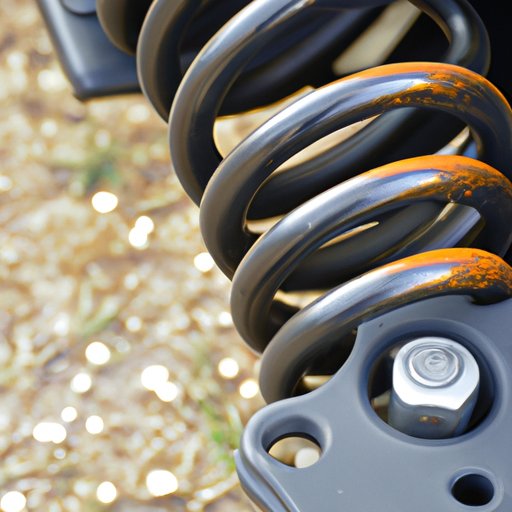
Once you have inspected the pull start for any damage or obstructions, you should check the recoil spring for proper tension. The recoil spring is responsible for supplying the necessary tension to retract the pull start. To assess the tension levels, pull the starter rope out several times and observe how quickly it returns to its original position.
If the recoil spring is too loose, the pull start will not retract properly. To tighten the spring, use a pair of pliers to gently turn the spring clockwise until it feels tight. If the spring is too tight, use the pliers to turn it counterclockwise until it is just right.

Clean and Lubricate the Pull Start Mechanism
The next step is to clean and lubricate the pull start mechanism. First, use a brush and some cleaning solution to remove any dirt and debris from the pull start. Then, apply a light lubricant to any moving parts, such as the pulley and the recoil spring. This will help reduce friction and ensure that the pull start operates smoothly.

Replace the Pull Start Rope
The pull start rope can become worn over time, making it difficult for the pull start to retract. To replace the rope, measure the length of the existing rope and purchase a new one of the same length. Once you have the new rope, attach it to the pulley and secure it with a knot. Finally, test the pull start to make sure it is retracting properly.
Adjust the Retraction Spring
The retraction spring helps keep the pull start rope taut when it is retracted. If the spring is too tight, the pull start will be difficult to pull. If the spring is too loose, the rope will not retract properly. To adjust the spring, locate the adjustment nut on the side of the pull start and turn it clockwise or counterclockwise to adjust the tension.

Replace the Pull Start Assembly
If all else fails, it may be necessary to replace the entire pull start assembly. When selecting a replacement part, make sure it is compatible with your engine. Also, be sure to follow the manufacturer’s instructions for installation. Once the new assembly is installed, test the pull start to make sure it is retracting properly.
Conclusion
Fixing a pull start that won’t retract can be a challenging task, but with patience and the right tools, it can be done. First, inspect the pull start for any damage or obstructions. Next, check the recoil spring for proper tension and clean and lubricate the mechanism. Replace the pull start rope and adjust the retraction spring as needed. Finally, if necessary, replace the entire pull start assembly. With these steps, you should be able to get your pull start working again in no time.
(Note: Is this article not meeting your expectations? Do you have knowledge or insights to share? Unlock new opportunities and expand your reach by joining our authors team. Click Registration to join us and share your expertise with our readers.)