
Introduction
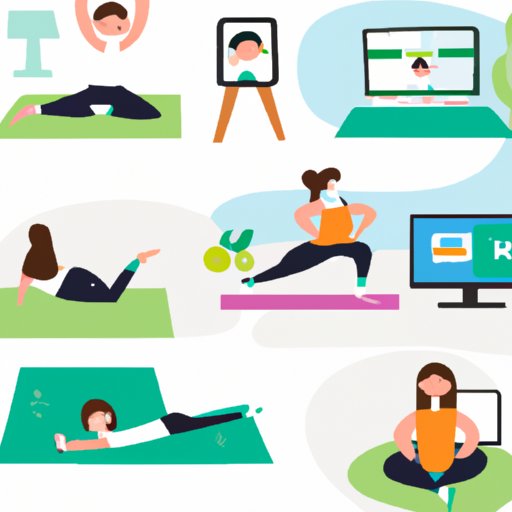
Exercising regularly can help improve physical health and mental wellbeing. But in the current climate, it can be difficult to make it to the gym or attend a group exercise class. Fortunately, there are plenty of ways to stay active and exercise from the comfort of your home. In this article, we’ll discuss how to create an effective at-home workout routine that fits your lifestyle.
Create an At-Home Workout Routine with Bodyweight Exercises
Bodyweight exercises are a great way to get a full body workout without any special equipment. These exercises use your own body weight as resistance, making them a no-equipment option for exercising at home.
Benefits of Bodyweight Exercises
There are several benefits to using bodyweight exercises for your at-home workout. According to the American Council on Exercise, bodyweight exercises are “an excellent form of exercise for building strength, power, endurance, flexibility, coordination, balance, and agility.” They can also be modified to suit any skill level, making them accessible to everyone. Plus, they don’t require any equipment or a lot of space, so you can do them anywhere, anytime.
Examples of Bodyweight Exercises
Some examples of bodyweight exercises include squats, lunges, push-ups, sit-ups, and planks. These exercises target all major muscle groups and can be done in any combination to create a full-body workout.
Tips for Creating a Successful Routine
Creating a successful bodyweight routine starts with finding exercises that work for you. To make sure you’re getting the most out of your workout, focus on form and proper technique. Start with a few basic exercises and gradually add more as you become stronger. Aim for three to five sets of 10 to 15 repetitions of each exercise. It’s also important to rest between sets and take breaks when needed.
Incorporate Fitness Equipment
If you have access to some basic fitness equipment, like dumbbells, kettlebells, or resistance bands, you can use these items to add variety to your at-home workout.
Types of Fitness Equipment
Dumbbells and kettlebells are both types of weights that come in a range of sizes and weights. Resistance bands are elastic bands that provide varying levels of resistance depending on the type and tension. You can also find a variety of fitness equipment online, such as jump ropes, medicine balls, and stability balls.
Benefits of Incorporating Fitness Equipment
Using fitness equipment can help you challenge yourself and add variety to your workout. For example, adding dumbbells to your routine can help increase the intensity of your workout and build more muscle. Resistance bands are a great way to add resistance to bodyweight exercises and target smaller muscle groups.
Tips for Using Fitness Equipment
When using fitness equipment, it’s important to start with lighter weights and gradually increase the amount of weight as you become stronger. Make sure you’re using proper form and technique to avoid injury. If you’re using a resistance band, make sure the band is securely anchored before starting the exercise.
Take Advantage of Online Exercise Classes or Videos
With the rise of streaming services, there are now countless online exercise classes and videos available. Whether you prefer yoga, Pilates, HIIT, or something else, you can easily find an online class or video to follow along with.
Benefits of Online Exercise Classes
Online exercise classes are a great way to stay motivated and get in a good workout. Many online classes are free or low cost, and they can be done anytime, anywhere. Plus, there’s a wide range of classes available, so you can find one that suits your needs and interests.
Types of Online Exercise Classes
From yoga and Pilates to HIIT and cardio, there’s an online exercise class for almost every type of workout. There are also classes designed for specific goals, such as weight loss or muscle building.
Tips for Finding the Best Online Classes
When searching for online classes, look for ones that match your fitness level and interests. Read reviews to see what other people think about the class. Check to see if the instructor has experience or credentials in the field. Once you’ve found a class you like, commit to following it regularly to maximize the benefits.

Utilize the Stairs in Your Home
If you have stairs in your home, you can use them to get in a quick, effective workout. Stair workouts are a great way to get your heart rate up and build strength and endurance.
Benefits of Stair Workouts
Stair workouts are a great way to burn calories and build stamina and strength. According to a study published in the Journal of Strength and Conditioning Research, stair climbing is an effective and time-efficient exercise that can improve aerobic capacity and lower body strength.
Types of Stair Workouts
There are many different types of stair workouts you can do in your home. Popular exercises include running or walking up and down the stairs, step-ups, side shuffles, and lateral hops. You can also incorporate fitness equipment, like dumbbells or resistance bands, into your stair workout.
Tips for Getting the Most Out of Your Stair Workout
Before starting a stair workout, warm up with some light stretching or jogging. Make sure to use proper form and technique to avoid injury. Focus on quality over quantity and take breaks when needed. Try to keep your breathing steady and focus on the movements.
Incorporate HIIT into Your Routine
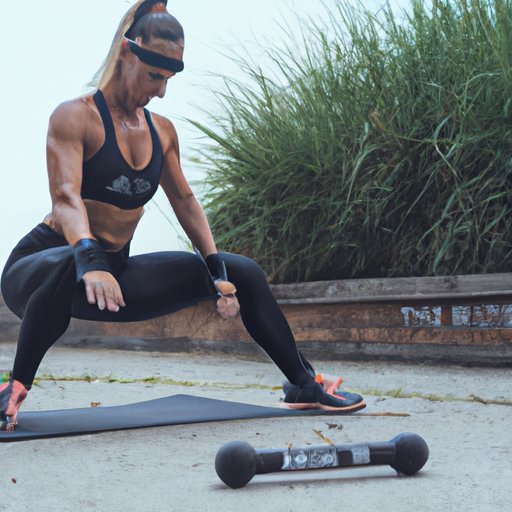
High-intensity interval training (HIIT) is a popular type of workout that combines short bursts of intense exercise with periods of rest. HIIT workouts are a great way to get in a quick, effective workout without spending hours in the gym.
Benefits of HIIT
According to a study published in the journal Sports Medicine, HIIT workouts are an effective way to improve aerobic fitness, muscle strength, and body composition. They’re also time-efficient and can be done with minimal equipment. Plus, they can be adapted to any fitness level.
Types of HIIT Workouts
There are many different types of HIIT workouts you can do at home. Popular exercises include burpees, jumping jacks, mountain climbers, and squat jumps. You can also incorporate fitness equipment, like dumbbells or resistance bands, into your HIIT workout.
Tips for Performing HIIT Workouts
To get the most out of your HIIT workout, it’s important to use proper form and technique. Start with shorter intervals and gradually increase the length and intensity as you become stronger. Make sure to rest between sets and take breaks when needed. Aim for three to five sets of 30-second intervals for each exercise.
Try Yoga or Pilates
Yoga and Pilates are both great options for exercising at home. Both practices focus on mindful movement and strengthening the body.
Benefits of Yoga and Pilates
Yoga and Pilates are both great ways to improve flexibility, strength, and balance. According to a study published in the International Journal of Yoga, yoga can reduce stress and anxiety, while Pilates can help improve posture and core strength. Both practices are low-impact and can be adapted to any fitness level.
Types of Yoga and Pilates Exercises
Yoga and Pilates both involve various poses, stretches, and breathing exercises. Popular yoga poses include downward facing dog, warrior pose, and child’s pose. Popular Pilates exercises include crunches, leg lifts, and roll-ups.
Tips for Getting the Most Out of Yoga and Pilates
When doing yoga or Pilates at home, it’s important to focus on proper form and technique. Start with basic poses and gradually add more challenging moves as you become stronger. Make sure to breathe deeply and focus on your movements. Finally, listen to your body and take breaks when needed.
Use Apps and Websites to Track Your Progress
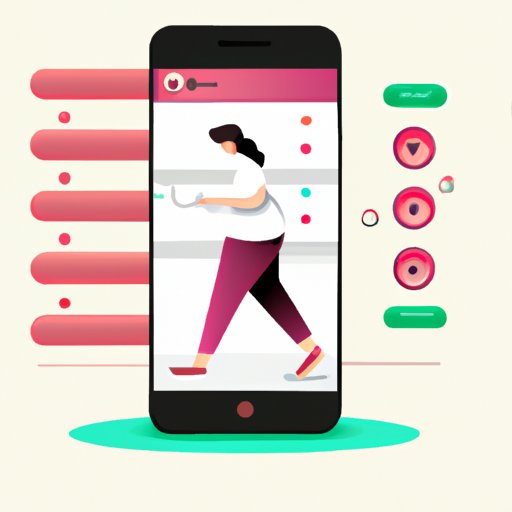
Tracking your progress is a great way to stay motivated and measure your progress. There are many apps and websites available to help you track your workouts and monitor your progress.
Benefits of Tracking Progress
Tracking your progress can help you stay on track and reach your fitness goals. According to a study published in the journal BMC Medical Informatics and Decision Making, tracking progress can lead to better adherence to an exercise program and improved outcomes.
Types of Apps and Websites
There are many apps and websites available to help you track your progress. Popular apps include Fitbit, MyFitnessPal, and Strava. Popular websites include MapMyRun and RunKeeper. These apps and websites can help you track your workouts, set goals, and monitor your progress.
Tips for Getting the Most Out of Tracking Progress
When using apps or websites to track your progress, it’s important to choose one that works for you. Make sure to set realistic goals and track your progress regularly. Take note of what’s working and what’s not and adjust your routine accordingly. Finally, make sure to celebrate your successes and stay motivated.
Conclusion
Exercising at home can be a great way to stay active and improve your physical and mental health. To get the most out of your at-home workout, create a routine with bodyweight exercises, incorporate fitness equipment, take advantage of online classes, utilize the stairs in your home, perform HIIT workouts, try yoga and Pilates, and use apps and websites to track your progress. With a little dedication and creativity, you can create an effective at-home workout routine that works for you.
(Note: Is this article not meeting your expectations? Do you have knowledge or insights to share? Unlock new opportunities and expand your reach by joining our authors team. Click Registration to join us and share your expertise with our readers.)