
Introduction
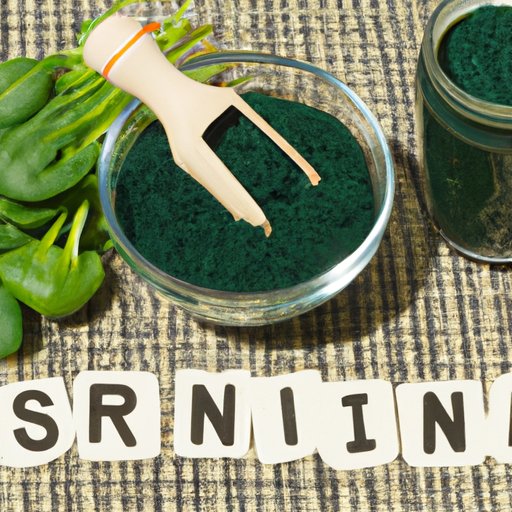
Spirulina is a type of blue-green algae that has been consumed for centuries for its nutritional value. It is considered a superfood because it contains a wide range of vitamins, minerals, and other nutrients that can help improve overall health. In recent years, spirulina has become increasingly popular as a dietary supplement due to its many potential health benefits.
Eating spirulina is an easy way to get the essential vitamins and minerals your body needs to stay healthy. But what exactly are the benefits of eating spirulina? How can you incorporate it into your diet in a tasty and nutritious way? This article will explore these questions and provide tips and recipes for making delicious dishes with spirulina.

Nutritional Benefits of Eating Spirulina
Spirulina is an excellent source of vitamins and minerals, including B vitamins, vitamin E, magnesium, iron, and zinc. It also contains high amounts of protein, which makes it a great option for vegetarians and vegans who need additional sources of protein in their diets. Additionally, spirulina is rich in antioxidants, which can help protect your cells from damage caused by free radicals.
Consuming spirulina regularly can also help boost your immune system, improve digestion, and reduce inflammation. It has even been shown to have anti-cancer properties, although more research is needed to confirm these benefits.
Creating Delicious Recipes with Spirulina
There are many ways to incorporate spirulina into your diet. One of the easiest and most delicious ways is to make recipes with it. There are countless recipes out there that use spirulina, from smoothies and shakes to salads and soups. You can even add it to baked goods like muffins and breads for an extra nutritional boost.
When creating recipes with spirulina, it’s important to keep in mind that the taste of spirulina can be quite strong, so you may want to start with smaller amounts and gradually increase the amount as you get used to the taste. It’s also important to remember that the color of spirulina can be quite intense, so it’s best to add it to recipes that already have a strong color like green smoothies or red sauces.
Different Ways to Incorporate Spirulina into Your Diet
If you’re not a fan of cooking with spirulina, there are still plenty of ways to include it in your diet. One of the simplest and most enjoyable ways is to make smoothies with spirulina. Smoothies are a great way to get the nutrition you need without having to spend a lot of time in the kitchen. All you need is a blender, some fruit, and a scoop of spirulina and you’re good to go.
You can also add spirulina to salads, soups, and other dishes for an extra nutritional boost. Just be sure to start with small amounts and gradually increase the amount as you get used to the taste. You can also try adding spirulina to juices, yogurt, oatmeal, and other foods for an extra dose of vitamins and minerals.

Making Easy and Tasty Smoothies with Spirulina
Smoothies are one of the easiest and tastiest ways to incorporate spirulina into your diet. There are countless recipes out there, but here are a few simple ideas to get you started:
- Mango, pineapple, banana, and spirulina smoothie
- Strawberry, banana, almond milk, and spirulina smoothie
- Kale, spinach, avocado, and spirulina smoothie
When making smoothies with spirulina, it’s important to start with small amounts and gradually increase the amount as you get used to the taste. Additionally, it’s best to pair spirulina with sweet fruits like mangoes, strawberries, and bananas in order to balance out the taste. You can also add a bit of honey or maple syrup to sweeten the smoothie if needed.
Taking a Look at Different Forms of Spirulina
Spirulina comes in a variety of forms, including powdered, tablets, capsules, and liquid. Powdered spirulina is the most common form, but if you don’t like the taste or texture of it, you can opt for tablets or capsules instead. Liquid spirulina is also available, although it is more expensive than the other forms.
No matter which form of spirulina you choose, it’s important to read the label carefully to ensure that it is of good quality. Look for organic, non-GMO, and sustainably sourced spirulina to ensure that you are getting the most nutritional benefit possible.

Exploring the Health Benefits of Eating Spirulina
Spirulina has been studied for its potential health benefits, and the results have been promising. Studies have found that consuming spirulina can help reduce cholesterol levels, lower blood pressure, and improve liver health. Additionally, it has been shown to have anti-inflammatory, antiviral, and antifungal properties.
Although spirulina is generally safe to consume, it is important to be aware of the potential side effects. Some people may experience digestive issues such as nausea, vomiting, and diarrhea. Additionally, spirulina can interact with certain medications, so it’s important to talk to your doctor before taking it.
Conclusion
Spirulina is an incredibly nutritious superfood that can provide many potential health benefits. It is easy to incorporate into your diet in a variety of ways, from smoothies to salads and soups. There are many recipes out there that use spirulina, and it is available in a variety of forms, including powder, tablets, capsules, and liquid.
Before consuming spirulina, it’s important to be aware of the potential side effects and interactions with medications. Additionally, it’s important to choose organic, non-GMO, and sustainably sourced spirulina to ensure that you are getting the most nutritional benefit possible.
Eating spirulina can be a great way to get the essential vitamins and minerals your body needs to stay healthy. With its many potential health benefits, it’s no wonder why so many people are turning to spirulina as a dietary supplement.
(Note: Is this article not meeting your expectations? Do you have knowledge or insights to share? Unlock new opportunities and expand your reach by joining our authors team. Click Registration to join us and share your expertise with our readers.)