
Introduction
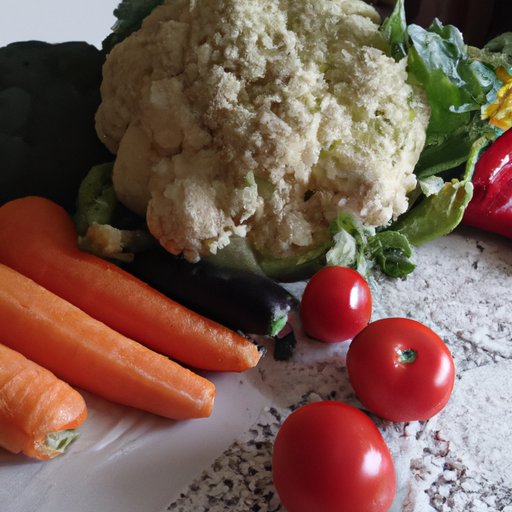
Eating more vegetables is an important part of maintaining a healthy lifestyle. Vegetables are packed with essential vitamins, minerals, and fiber, making them an essential component of any balanced diet. But for many people, getting enough vegetables in their diets can be a challenge. This article will provide a comprehensive guide on how to eat more veggies and reap the nutritional benefits of a veggie-based diet.
Incorporate Veggie-Based Meals Into Your Weekly Meal Plan
The first step in eating more vegetables is to make sure you’re incorporating them into your weekly meal plan. Planning out your meals in advance allows you to ensure that you’ll have enough vegetables in your diet throughout the week. You can start by planning one or two vegetarian meals per week and gradually increasing the number as you become more comfortable with cooking and eating veggie-based dishes. The American Heart Association recommends “aim[ing] for four to five servings of different types of vegetables each day.”
Making sure you have enough vegetables in your diet is beneficial for both your physical and mental health. According to a study published in the journal Nutrients, “a higher intake of vegetables is associated with better mental health outcomes.” Eating a variety of vegetables can also help reduce your risk of developing chronic diseases, such as heart disease, stroke, and type 2 diabetes.

Make Veggies the Star of Your Plate
Another way to make sure you’re getting enough vegetables in your diet is to make them the star of your plate. Rather than relegating vegetables to the side of your plate, try making them the main component of your meal. This could mean making a vegetable-based soup or stir-fry, or simply adding extra vegetables to your favorite dish.
When preparing vegetables as the main component of your meal, it’s important to make sure they’re flavorful and satisfying. This can be accomplished by adding other tasty ingredients, such as herbs, spices, and flavorful sauces. A study published in the journal Appetite found that “adding flavorings to vegetables can enhance their appeal and increase consumption.”
Making veggies the star of your plate can also boost your nutrient intake. A study published in the journal Nutrients found that “the consumption of vegetables as a main dish was associated with higher intakes of vitamin A, vitamin C, magnesium, and iron.” Making sure you’re getting enough of these essential nutrients can help maintain your overall health and well-being.

Use Creative Recipes to Make Eating Veggies Fun
Using creative recipes to make eating vegetables fun is another great way to make sure you’re getting enough of them in your diet. Finding interesting and tasty recipes is a great way to keep things exciting and make sure you’re never bored when it comes to meals. There are countless websites and cookbooks devoted to vegetarian and vegan recipes, so you’re bound to find something that appeals to you.
Experimenting with different cooking techniques is also a great way to make eating vegetables more enjoyable. Roasting, steaming, sautéing, and grilling are all great ways to prepare vegetables and add some extra flavor. And don’t forget about raw vegetables! Salads, crudités, and smoothies are all great ways to get more veggies into your diet.
A study published in the journal Appetite found that “increasing the variety of vegetables consumed may lead to increased vegetable intake.” So don’t be afraid to experiment and have fun with your food!
Try Adding Vegetables to Your Favorite Dishes
Adding vegetables to your favorite dishes is another great way to make sure you’re getting enough of them in your diet. This could mean adding diced peppers to your pasta sauce, or tossing in some spinach to your scrambled eggs. There are countless ways to add vegetables to existing dishes without compromising flavor.
It’s also important to remember that there are many different types of vegetables. Experimenting with different types and varieties can help make sure you’re getting a wide range of vitamins, minerals, and other nutrients in your diet. There are many hidden gems in the produce section, so don’t be afraid to explore and try something new.
A study published in the journal Nutrients found that “consumers who ate a greater variety of vegetables had higher intakes of most micronutrients.” So don’t be afraid to get adventurous and try something new!
Conclusion
Eating more vegetables is an important part of maintaining a healthy lifestyle. This article provided a comprehensive guide on how to incorporate more vegetables into your diet in creative and delicious ways. From incorporating veggie-based meals into your weekly meal plan to experimenting with different types of vegetables, there are countless ways to get more veggies into your diet. So take the time to explore and find ways to make eating vegetables fun and enjoyable. Your body—and taste buds—will thank you!
(Note: Is this article not meeting your expectations? Do you have knowledge or insights to share? Unlock new opportunities and expand your reach by joining our authors team. Click Registration to join us and share your expertise with our readers.)