

Introduction
Kale is a leafy green vegetable that is part of the cabbage family. It has been popular in Europe for centuries, but only recently gained popularity in the United States. Kale is an incredibly nutritious food and provides numerous health benefits. In this article, you will learn how to eat kale, including tips on choosing, storing and preparing this superfood.
Overview of Kale
Kale is a type of cruciferous vegetable, which also includes broccoli, cauliflower and Brussels sprouts. It is high in fiber, vitamins A, C and K, as well as folate, calcium and iron. Kale also contains powerful antioxidants, such as flavonoids and carotenoids, which help protect the body from damage caused by free radicals.
Studies have shown that eating cruciferous vegetables can reduce the risk of certain types of cancer, such as lung and colorectal cancer. According to a 2019 study published in Nutrition Research, “Cruciferous vegetables are among the most studied dietary components for their potential chemopreventive effects against cancer.”
Benefits of Eating Kale
The health benefits of kale include improved digestion, weight loss, lower cholesterol levels and increased energy. Kale is low in calories and rich in fiber, which helps keep you feeling full for longer periods of time. Additionally, the antioxidants found in kale can help protect against chronic diseases and boost immunity.
Kale is also a great source of plant-based protein and essential minerals, such as magnesium and potassium. These essential nutrients help support muscle growth and recovery, and they also aid in proper digestion.
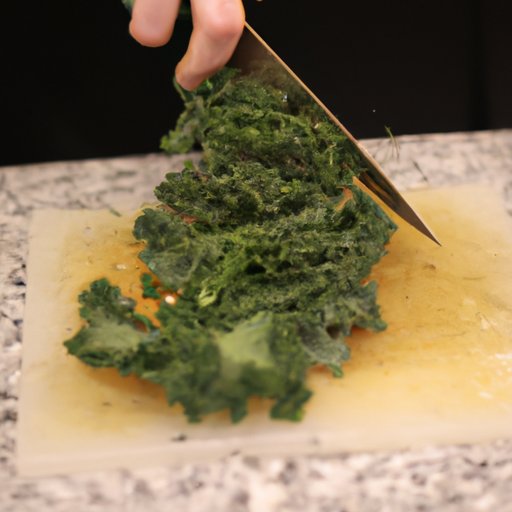
Create a Kale Salad Recipe
One of the best ways to enjoy kale is in a salad. Here is a simple yet delicious recipe for a kale salad:
Ingredients
- 4 cups kale, chopped
- 1/4 cup olive oil
- 1 lemon, juiced
- 1/2 teaspoon garlic powder
- 1/4 teaspoon sea salt
- 1/4 cup feta cheese, crumbled
- 1/4 cup almonds, sliced
Instructions
- In a large bowl, combine the chopped kale, olive oil, lemon juice, garlic powder and sea salt.
- Massage the ingredients together with your hands until the kale is evenly coated.
- Add the feta cheese and almonds and toss to combine.
- Serve immediately.
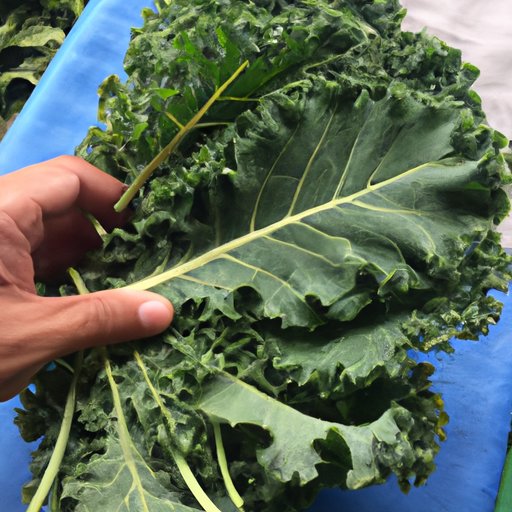
Share Ideas for Cooking Kale
Kale can be cooked in a variety of ways. Here are some ideas for cooking kale:
Roasting
Roasting kale is an easy and delicious way to cook it. Preheat the oven to 375 degrees Fahrenheit and line a baking sheet with parchment paper. Toss the kale with a tablespoon of olive oil and spread it out on the baking sheet. Roast for 10-12 minutes, or until the kale is crispy. Add your favorite seasonings and serve.
Sauteing
Sauteing kale is another simple and flavorful way to cook it. Heat two tablespoons of olive oil in a skillet over medium-high heat. Add the kale and sauté for 5-7 minutes, stirring occasionally. Add your favorite seasonings and enjoy.
Baking
You can also bake kale for a crunchy snack. Preheat the oven to 350 degrees Fahrenheit and line a baking sheet with parchment paper. Toss the kale with a tablespoon of olive oil and spread it out on the baking sheet. Bake for 10-12 minutes, or until the kale is crispy. Add your favorite seasonings and serve.
Compare Kale to Other Superfoods
Kale is often referred to as a superfood because of its high nutritional content. But how does it compare to other superfoods? Let’s take a look at some of the key differences between kale and other superfoods:
Nutritional Benefits
Kale is an excellent source of vitamins A, C and K, as well as folate, calcium and iron. It is also a good source of protein and fiber. Other superfoods, such as blueberries and avocados, are also packed with vitamins and minerals, but may not offer the same level of nutrition as kale.
Cost
Kale is generally more affordable than other superfoods, such as blueberries and acai berries. It is also widely available in most grocery stores, making it easy to find and purchase.
Availability
Kale is available year-round in most parts of the world, while other superfoods, such as acai berries, are only available during certain times of the year. This makes kale a convenient and accessible option for those looking to increase their intake of healthy foods.
Make Kale Smoothies
Kale can also be used to make healthy and delicious smoothies. Here is a simple recipe for a kale smoothie:
Ingredients
- 1 cup kale, chopped
- 1 cup almond milk
- 1 banana, ripe
- 1/4 cup frozen blueberries
- 1 tablespoon honey
- 1 teaspoon chia seeds
Blending Tips
To ensure a smooth texture, it is important to blend the ingredients thoroughly. Start by blending the kale and almond milk together until smooth. Then, add the banana, blueberries, honey and chia seeds and blend until creamy. Serve immediately.

Offer Tips on Choosing and Storing Kale
When selecting kale, look for bright green leaves that are firm to the touch. Avoid wilted or yellowed leaves, as these are signs of spoilage. When storing kale, it is best to store it in a sealed bag or container in the refrigerator. Kale can last up to five days when stored properly.
Conclusion
Kale is a nutrient-rich superfood that offers numerous health benefits. From salads to smoothies and roasted to sautéed, there are many ways to enjoy this leafy green. Plus, kale is inexpensive, widely available and easy to store. So what are you waiting for? Start adding kale to your diet today!
Summary of Benefits of Eating Kale
Kale is an incredibly nutritious food that offers numerous health benefits, such as improved digestion, weight loss, lower cholesterol levels and increased energy. It is also high in fiber, vitamins A, C and K, as well as folate, calcium and iron. Eating kale can also reduce the risk of certain types of cancer.
Final Thoughts
Kale is an amazing superfood that everyone should try to incorporate into their diet. Whether you enjoy it in a salad, smoothie or roasted, there are plenty of ways to enjoy this nutrient-packed vegetable.
(Note: Is this article not meeting your expectations? Do you have knowledge or insights to share? Unlock new opportunities and expand your reach by joining our authors team. Click Registration to join us and share your expertise with our readers.)