
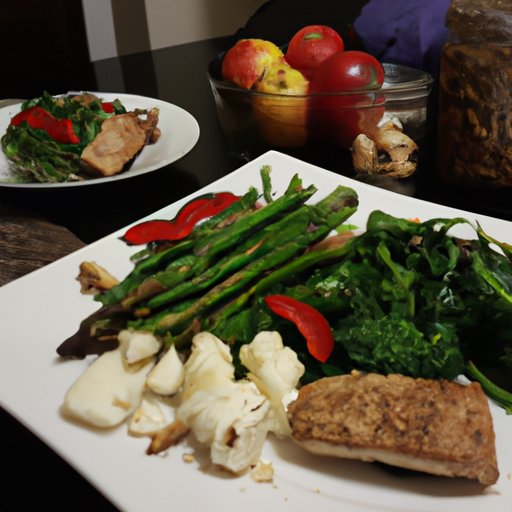
Introduction: What Does “Eating Clean” Mean?
Eating clean is an approach to nutrition that involves focusing on consuming whole foods while avoiding processed foods. This means choosing fresh fruits and vegetables, lean proteins, and whole grains over packaged snacks, frozen dinners, and sugary drinks. While there is no single definition of clean eating, it typically emphasizes eating more natural, unprocessed foods, avoiding added sugar and unhealthy fats, and limiting your intake of processed carbs.
According to a study published in the journal Nutrients, “The main aim of clean eating appears to be the reduction of chronic disease risk factors by improving dietary quality and nutrient intake.” In other words, following a clean-eating diet can help reduce your risk of developing chronic health conditions such as heart disease, diabetes, and obesity.
Plan Ahead: Make a Grocery List and Focus on Whole Foods
One of the best ways to ensure that you’re eating clean is to plan ahead. Before you head to the grocery store, make a list of all the items you need for the week. Be sure to include plenty of fresh produce, lean proteins, and whole grains. This will help you avoid impulse purchases of processed snacks and sugary drinks.
When shopping, focus on the perimeter of the store, where you’ll find most of the fresh food. That’s not to say you should never venture into the aisles — just be mindful of what you’re buying. Make sure to read labels and watch out for added sugars, unhealthy fats, and artificial ingredients.

Avoid Processed Foods: Read Labels and Identify Unhealthy Ingredients
Processed foods can contain high amounts of sugar, salt, and unhealthy fats, so it’s important to avoid them when possible. To do this, you’ll need to become a label reader. Start by looking at the ingredients list. If you see any added sugars or unhealthy fats (such as hydrogenated oils), put the item back on the shelf. It’s also a good idea to check the nutritional information to make sure the product doesn’t have too many calories or sodium.
If you’re having trouble identifying unhealthy ingredients, the American Heart Association has a helpful guide that lists common ones to look out for. These include high-fructose corn syrup, monosodium glutamate (MSG), and trans fats.
Eat Regularly: Have Small Meals and Snacks Throughout the Day
Eating regular meals and snacks throughout the day is essential for maintaining energy levels and staying full. Try to have something to eat every three to four hours. This may mean having three meals and two snacks or five smaller meals. The key is to find a schedule that works for you and stick with it.
It’s also important to choose nutrient-dense foods that will keep you feeling fuller for longer. Examples include eggs, Greek yogurt, nuts, seeds, and avocados. According to a study published in the Journal of the American College of Nutrition, these types of foods are more satiating than processed carbohydrates.

Drink Plenty of Water: Stay Hydrated and Feel Full Between Meals
Staying hydrated is key for overall health, but it can also help you eat less. Drinking a glass of water before meals can help you feel fuller faster and prevent overeating. According to a study published in the journal Obesity, drinking water 30 minutes before meals can reduce calorie intake by up to 13 percent.
In addition to helping you feel full, staying hydrated can also help boost your energy levels, improve digestion, and flush toxins from your body. Aim to drink at least eight glasses of water per day, or more if you’re active or live in a hot climate.
Get Creative in the Kitchen: Experiment with New Recipes and Make Healthy Ingredients Taste Delicious
Eating clean doesn’t have to be boring. Get creative in the kitchen and experiment with new recipes. There are tons of healthy recipes online that use fresh ingredients and minimal added sugar. You can also get creative with flavors and spices to make healthy ingredients taste delicious.
If you’re short on time, try meal prepping. This involves preparing a few meals ahead of time so you can grab them quickly during the week. Meal prepping can help you save time, money, and stress. Plus, it’s a great way to make sure you’re eating healthy, balanced meals throughout the week.

Limit Alcohol Consumption: Avoid Empty Calories and Impairment of Judgment
Alcoholic beverages are often high in calories and low in nutrients. Plus, they can impair your judgment, which can lead to poor food choices. For these reasons, it’s best to limit your intake of alcohol. If you do choose to drink, opt for lower-calorie drinks such as light beer or wine spritzers.
According to a study published in the journal BMC Public Health, cutting down on alcohol can reduce your risk of developing chronic health conditions, such as cardiovascular disease and type 2 diabetes.

Enjoy Treats in Moderation: Allow Yourself to Indulge and Choose Healthier Options
It’s OK to indulge in treats once in a while — in fact, it’s important for maintaining a healthy relationship with food. However, it’s important to watch portion sizes and choose healthier options when possible. Instead of reaching for a candy bar, try dark chocolate, which is high in antioxidants and has been linked to improved heart health.
You can also opt for healthier versions of your favorite treats. For example, try baking cookies with whole wheat flour and adding dark chocolate chips instead of white sugar. Or make a fruit salad with honey instead of sugary syrup.
Conclusion: Eating Clean Has Many Benefits
Eating clean is a great way to improve your overall health and wellbeing. By planning ahead, avoiding processed foods, eating regular meals and snacks, drinking plenty of water, getting creative with recipes, and enjoying treats in moderation, you can achieve your clean-eating goals.
Not only does eating clean help reduce your risk of developing chronic health conditions, but it can also help you lose weight and increase your energy levels. So don’t be afraid to give it a try — your body will thank you!
(Note: Is this article not meeting your expectations? Do you have knowledge or insights to share? Unlock new opportunities and expand your reach by joining our authors team. Click Registration to join us and share your expertise with our readers.)